
Trump Could Get His Name on Healthcare for Every American Under Abdul El-Sayed's Unusual Proposal
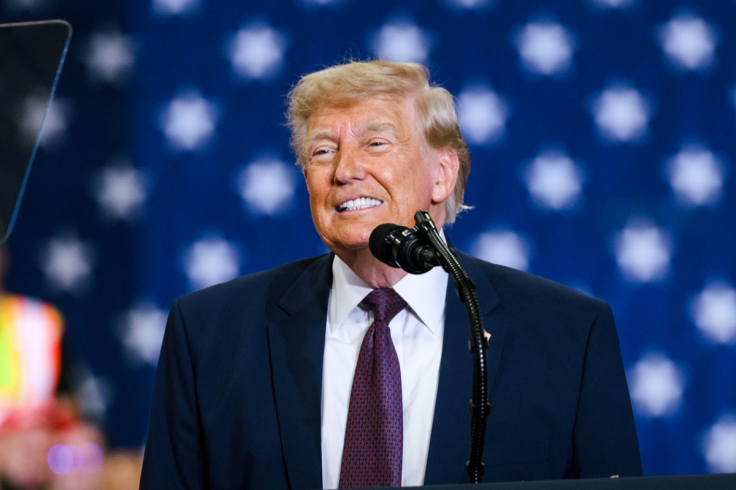
Abdul El-Sayed has offered Donald Trump a route to a potential healthcare legacy: support universal coverage for Americans and allow the programme to carry the president's name. The Michigan senator-elect says he would call it 'TrumpCare for All' if that helped secure the legislation, putting branding ahead of party labels in pursuit of a policy he has championed for years.
The proposal has been given a gold-card makeover, complete with Trump's name and signature. El-Sayed shared mock-ups online on 12 November 2026, describing the offer as a chance to guarantee healthcare for every American throughout life. The card is illustrative, not an existing federal benefit. That distinction matters when assessing the offer.
TrumpCare's Gold Card With A Political Price Tag
The proposed card gives 'TrumpCare' prominent billing, while 'Medicare for All' appears in smaller type. Its reverse describes a system accepted at doctors, hospitals, clinics and pharmacies nationwide, with no premiums, deductibles or co-payments for covered care. The design is illustrative: no such coverage has been approved or made available.3
This is a message for @realDonaldTrump.
— Dr. Abdul El-Sayed (@AbdulElSayed) November 12, 2026
Donald, this is on the table. Guarantee healthcare for every American, from cradle to grave. pic.twitter.com/f32IYs3FXG
'Donald, this is on the table. Guarantee healthcare for every American, from cradle to grave,' El-Sayed wrote in his 12 November post on X, alongside images of the proposed card. It was an appeal to Trump, not a formal bill or agreement with the White House.
What Medicare For All Would Mean
The proposal is based on a single-payer approach commonly described as Medicare for All. Under the version El-Sayed advocates, every American would receive guaranteed healthcare coverage throughout life, without premiums, deductibles or co-payments.
That goes beyond existing Medicare, which primarily serves older people and some people with disabilities; the mock-up does not explain how a nationwide system would be funded or introduced.
His website says he authored 'Medicare for All: A Citizen's Guide' and served on Joe Biden's Unity Task Force for Healthcare in 2020. He rebuilt Detroit's health department following the city's bankruptcy and restructured Wayne County's Department of Health, Human & Veterans Services, which serves 1.8 million Michiganders.
His website credits him with securing free glasses for children, removing lead from Detroit's elementary schools, expanding access to naloxone and spearheading a programme to cancel up to $700 million in medical debt for Michigan residents.
A Difficult Sell For Trump
The offer would require a change of direction from Trump, whose first administration backed efforts to repeal the Affordable Care Act. On 28 July 2017, the Senate rejected a Republican 'skinny repeal' amendment by 49 votes to 51, with three Republicans joining Democrats in opposition.
El-Sayed is one of several incoming Democrats signalling they are prepared to work with Trump where interests align. Texas senator-elect James Talarico has also pitched bipartisan cooperation, while House Democratic leader Hakeem Jeffries has left the door open to working across the aisle.
There is an opening for negotiation. Trump has indicated he is open to negotiating with Democrats, although he warned he would initially veto legislation he considers bad for the country. In an interview, he said healthcare and drug prices could become areas for negotiation. Democrats remain divided over whether to seek deals or pass legislation and challenge him to reject it.
El-Sayed's proposal remains an invitation, not a legislative agreement. The mock-up sets out no bill text or financing plan, and it remains unclear whether Trump would entertain the offer. For now, 'TrumpCare' depends on whether the president will consider universal healthcare — and whether a gold card bearing his name could help bridge the political divide.