
Ozempic and Wegovy Face New FDA Warning Over Rare Eye Condition That Can Cause Permanent Blindness
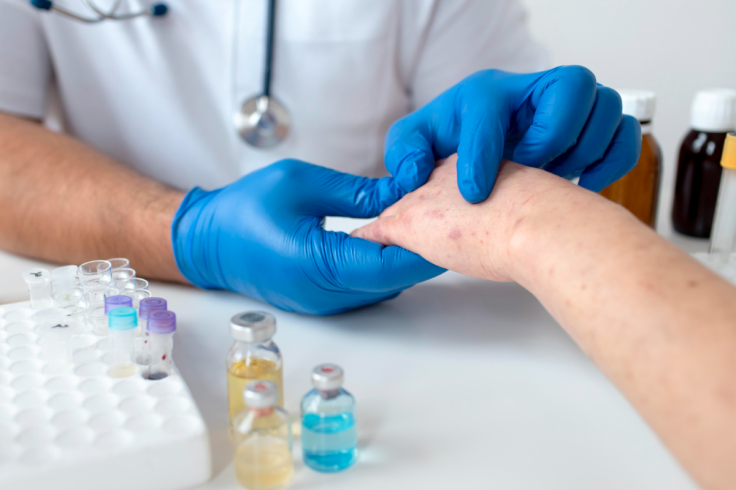
The United States could lose a major public health achievement it has maintained for more than two decades as measles outbreaks continue spreading across the country. Health experts are reviewing evidence that could establish whether the highly contagious virus has been circulating continuously for more than a year, potentially ending America's measles elimination status.
The review comes as the country records more than 5,000 infections in 2026, raising concerns about declining vaccination coverage and the growing vulnerability of communities to preventable diseases.
US Measles Cases Surge as Experts Review Elimination Status
An independent panel appointed by the Pan American Health Organisation (PAHO) is meeting between 10 and 13 November to assess whether the United States has experienced at least 12 months of continuous measles transmission.
According to the US Centers for Disease Control and Prevention (CDC), 5,182 confirmed measles cases had been reported by 5 November. Of these, 5,164 were reported across 47 jurisdictions, while 18 involved international visitors. This represents a substantial increase from the 2,289 cases recorded throughout 2025.
At least 11 measles-related deaths have been reported in the United States since the resurgence began in 2025, according to ABC News. Most reported cases have involved people who were unvaccinated or whose vaccination status was unknown.
The current resurgence began with an outbreak in western Texas in January 2025 before infections emerged in other states, including Utah, Arizona, South Carolina and Pennsylvania.
A key question for investigators is whether the outbreaks are linked by sustained transmission of the same measles virus strain or represent separate introductions. Genetic sequencing can help establish whether the viruses circulating in different communities are related.
Dr Peter Hotez, dean of the National School of Tropical Medicine at Baylor College of Medicine, told ABC News that the distinction would determine whether the country technically meets the criteria for losing its elimination status.
Why Losing Measles Elimination Status Matters
The United States achieved measles elimination in 2000 after decades of vaccination efforts. The designation means the country had interrupted continuous domestic transmission for at least 12 months, although infections imported from other countries could still occur.
Before the vaccine became available in 1963, measles infected an estimated 3 to 4 million Americans annually, according to the CDC. Approximately 48,000 people required hospitalisation, while 400 to 500 died each year.
Following the introduction of vaccination, infections declined dramatically. By 2000, just 85 cases had been recorded.
Losing elimination status would not automatically mean that measles becomes impossible to control or that existing vaccination programmes cease. However, it would represent a significant setback for public health surveillance and disease prevention.
Dr Paul Offit, director of the Vaccine Education Centre at Children's Hospital of Philadelphia, described the potential loss as a 'tremendous loss' in comments to ABC News.
Canada lost its measles elimination status in 2025 following sustained transmission, highlighting the possibility of a similar outcome for the United States.
How Measles Can Affect Children's Health
Beyond the public health implications, the resurgence raises concerns about the medical complications associated with measles.
The virus spreads through the air when an infected person coughs or sneezes. According to the CDC, up to nine in 10 susceptible people exposed to an infected individual can contract the disease.
Initial symptoms typically appear seven to 14 days after exposure and include high fever, coughing, a runny nose and red, watery eyes. A characteristic rash usually develops afterwards.
Although some infections resolve without serious complications, measles can cause pneumonia, ear infections and encephalitis, which involves inflammation of the brain. Severe cases can result in permanent disability or death.
Children under five, pregnant women and people with weakened immune systems face particularly high risks of serious complications.
Vaccination Remains the Best Protection
The CDC identifies the measles, mumps and rubella (MMR) vaccine as the most effective protection against infection.
Two doses provide approximately 97% protection against measles, compared with 93% for one dose.
Health experts generally recommend maintaining vaccination coverage of at least 95% to prevent sustained community transmission.
The expert panel will make recommendations to PAHO, whose director is expected to announce the final decision on the United States' elimination status early next week. However, experts warn that the growing number of infections already demonstrates the consequences of declining protection against a highly contagious disease.