
Dario Amodei Predicts AI Will Make Cancer and Alzheimer's Relics of the Past Within 10 Years
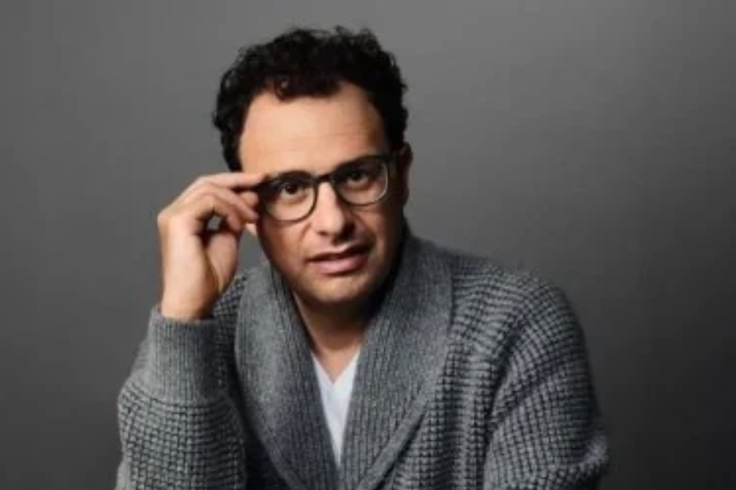
Anthropic chief executive Dario Amodei has predicted that artificial intelligence could help make cancer, Alzheimer's disease, heart disease and mental illness relics of the past within 10 years. The ambitious forecast was made during an investor presentation as the company prepares for a potential stock market debut, placing AI-driven medical breakthroughs among the technology firm's most significant promises.
Anthropic filed a registration statement with the US Securities and Exchange Commission on 26 October and intends to list on the Nasdaq Global Select Market under the ticker ANT. Its IPO roadshow began on 10 November, with the company proposing to offer 825 million shares at an expected price range of £53–£59 ($70–$78) per share.
Amodei's Medical Ambitions Extend Beyond Cancer
Amodei spoke in a video released on 10 November for Anthropic's initial public offering roadshow. 'Cancer, Alzheimer's, heart disease, mental illness, these will be relics of the past in, I think, less than a decade,' he said. It was a prediction, not a timetable backed by clinical evidence.
In a September essay, Amodei wrote that AI could cure most major diseases within five to 10 years. He linked the ambition to personal experience, saying his father died from a disease that was cured only a few years later and that he had survived early-stage cancer.
In an August post on X, Amodei acknowledged that claims about AI curing cancer could sound clichéd and deceptive. He argued that the most convincing way for AI companies to earn public trust would be to deliver actual medical breakthroughs, adding that the industry had yet to fulfil its promises to benefit society.
2/2 Second, on the messaging around AI. I do not agree that my messaging has been disproportionately negative. In fact it has been about equally balanced between risks and benefits: I’ve written one major essay about each, and even in interviews where I discuss the risks, I…
— Dario Amodei (@DarioAmodei) August 15, 2026
Anthropic has begun expanding into life sciences. In an October update, it said it had started drug-discovery work and formed research partnerships with six organisations involved in drug development and life sciences research: BigHat Biosciences, Bristol Myers Squibb, Divergence Labs, Enveda, Generate Biomedicines and The Column Group.
It said the work had shown how Claude could support drug development, while highlighting areas needing improvement.
Dario Amodei's AI Cancer Prediction Faces Scientific Hurdles
AI systems may help researchers analyse biological data, identify promising molecules, model proteins and narrow the search for treatments. Such tools could speed up research, but do not establish that a candidate drug is safe, effective or suitable for patients.
Cancer is not one condition with a universal cure. The US National Cancer Institute describes it as a collection of related diseases that can arise in almost any part of the body. Different cancers vary in their biology and response to treatment, making predictions about eliminating the disease as a whole difficult to assess.
Alzheimer's disease presents a separate challenge. The US National Institute on Aging says there is currently no cure, although approved medicines can manage symptoms or slow progression in some patients. Research continues into treatments targeting the disease's underlying processes, but no universal solution has emerged.
Anthropic Says AI Could Transform Drug Development
Anthropic has described using Claude in partnerships with drug developers and launching internal discovery efforts. It has established a biology research laboratory where scientists use Claude to analyse DNA datasets, generate hypotheses and investigate their findings through laboratory experiments.
The projects show investment in scientific applications, not that AI has produced cures or that treatments will arrive within Amodei's timeframe. Anthropic said its research remained at an early stage and was mostly preclinical, meaning most drug candidates had not yet reached human testing.
During the roadshow, Amodei said companies must address AI's risks while delivering benefits and earning public trust.