
Americans Are Paying $20K to 'Reset' Their Brains With Psychedelic Ibogaine, but Doctors Warn of Risks
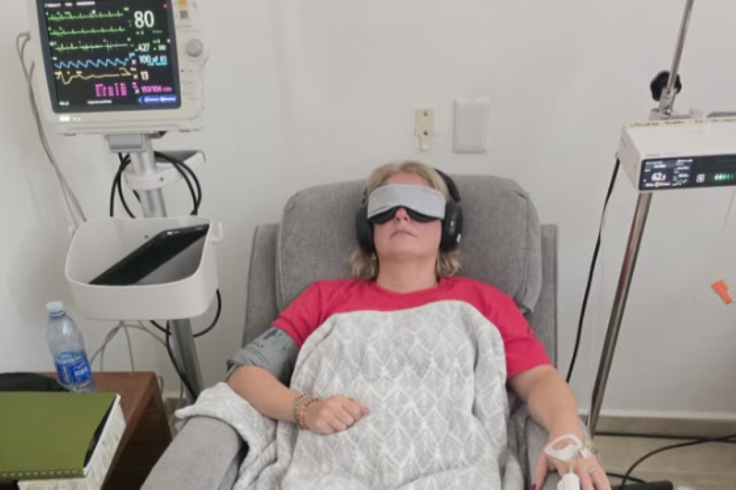
Americans are travelling to Mexico and paying as much as $20,000 (£14,900) for supervised ibogaine experiences marketed as a way to address addiction, trauma or burnout.
There is a growing interest in the drug, even as researchers and US regulators warn that psychedelics can cause dangerous heart complications.
The market includes people without diagnosed substance-use disorders who are seeking what clinics describe as greater clarity, resilience or improved performance. Programmes at Beōnd Ibogaine in Cancún, Mexico, can cost between $12,500 (£9,300) and $20,000 (£14,900), with some clients staying for about 10 days.
Ibogaine is not approved for medical use in the US, while Mexico has become a major destination for Americans seeking the drug despite a lack of official regulatory approval for medical treatment. Interest is also expanding while the science about the drug remains unsettled.
Professionals Seek a Mental 'Reset'
In October 2026, the US Food and Drug Administration (FDA) requested public input on its proposed design for early-stage ibogaine clinical trials. The agency is seeking information on dosage, patient eligibility, cardiac and neurological monitoring, stopping rules and safety oversight.
The agency noted that ibogaine presents important scientific questions alongside serious safety concerns and is prioritising research involving opioid-use disorder and post-traumatic stress disorder.
Among those who are travelling to Mexico is Mike Stratton, 34, a health-sector entrepreneur who said that he initially sought ibogaine while struggling with overwork, poor health habits and reliance on stimulants including caffeine and prescribed ADHD medication.
He described an intense experience in which memories and unresolved thoughts emerged during a large psychedelic dose, followed by a period in which he felt more present and mentally clear. Stratton later returned for additional treatments, although the clinic and participants stressed that continued behavioural changes and integration were needed afterwards.
Melissa Pruett, a 37-year-old business owner, is among those who travelled to the Cancún clinic after struggling with changes following childbirth. According to reports, she said that her experience with ibogaine was less frightening and involved reflecting on feelings of inadequacy and her identity after becoming a mother.
Natalia Earle also underwent the ibogaine treatment despite not having any prior experience with psychedelics. She said in an Instagram post that she only realised during treatment how much emotional distress she felt.
After visiting the clinic, Earle said she felt happier, calmer and more able to set boundaries, while also describing improvements in her skin, inflammation and overall sense of wellbeing. She praised Beond's staff, facilities and support programme.
Heart Risks Remain a Major Concern
The clearest documented danger with ibogaine involves the heart's electrical activity. A clinical study involving 14 people with opioid-use disorder found that the drug significantly prolonged the QT interval.
Half of the participants in the study recorded a corrected QT interval above 500 milliseconds. The researchers also observed slower heart rates and severe temporary coordination problems in all participants. No cases of torsades de pointes were observed during the study, although the findings highlighted potentially significant cardiac risks.
Published case reports have documented potentially fatal ventricular arrhythmias in people without previously diagnosed heart conditions.
Researchers said that differences in the way individuals metabolise the drug could explain, in part, why cardiovascular reactions vary. They recommended that any treatment take place under tightly controlled medical supervision with rigorous cardiac monitoring.
Evidence for Addiction and PTSD Is Still Developing
Preliminary observational studies have reported reductions in opioid withdrawal symptoms and cravings following ibogaine treatment. However, the available evidence remains limited, and larger controlled clinical trials are needed to establish its effectiveness and long-term safety.
This comes as federal agencies are also supporting research into the drug's potential use for opioid-use disorder and Post-traumatic stress disorder (PTSD). However, the FDA continues to describe ibogaine as an investigational drug requiring further study of its benefits, risks, dosing and safety controls.
The agency also allowed an early-stage US study of noribogaine, an ibogaine metabolite, as a potential treatment for alcohol-use disorder and is seeking data that could support further ibogaine research.