
Apple Launches AI Health Adviser Study for 200,000 iPhone Users Amid Fears of Dangerous Chatbot Advice
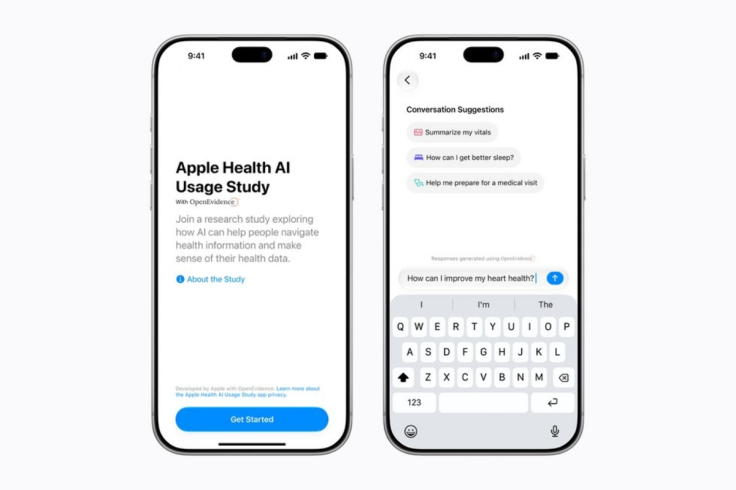
Apple has launched a US research study into the use of health chatbots, inviting up to 200,000 eligible iPhone users to take part. The Apple Health AI Usage Study will examine how participants understand and use AI-generated health information. Apple says the study is not a medical service.
A study published in Nature Medicine in February 2026 tested three large language models on 10 medical scenarios. The models identified conditions in 94.9% of cases.
Among 1,298 UK participants using the same tools, fewer than 34.5% identified the relevant conditions. Participants were no more likely to choose an appropriate course of action than a control group using resources such as internet searches.
Why Apple Is Studying Health Chatbot Advice
Dr Rebecca Payne, of the University of Oxford, said asking a chatbot about symptoms could be dangerous because it might give an incorrect diagnosis or fail to identify when urgent medical help is needed. Apple says its study will examine how people use health AI and what they trust and understand about its answers.
The study app is being developed with OpenEvidence, a clinical AI platform used by healthcare professionals. Participants will be able to ask health questions and receive answers linked to peer-reviewed clinical sources.
Apple says the responses will draw on publications including The New England Journal of Medicine, JAMA and Nature. Apple-designed features will present the information in more accessible language.
Participants will be able to rate answers and complete surveys. The study will assess how well they understand the responses and whether the information helps them prepare for appointments with their doctors.
What the Apple Health AI Study Will Ask of Participants
Participants may choose to share HealthKit data, including activity, sleep, resting heart rate or lab results. Apple says researchers will assess whether personal information makes answers more relevant and easier to understand. Sharing this data is optional, as are survey responses.
The study is intended to investigate both the appeal and the limitations of tailored answers. A response informed by someone's measurements may feel more relevant than general guidance, but the central question is whether users interpret it appropriately. Apple says the project will examine trust, comprehension and everyday health actions.
Privacy Protections and Safety Limits
Apple says study data will not be used to train AI models and participants can choose what information to share. The company says questions will be processed to remove identifying information before they are sent to OpenEvidence. OpenEvidence will delete question-and-response data within 24 hours, Apple said.
The app includes safeguards intended to identify certain concerning questions and encourage users to contact a healthcare provider or other support. Apple says the study does not provide live medical monitoring or replace professional care.
'At Apple, we believe responsible innovation starts with scientific rigour and clinical grounding,' said Sumbul Desai, the company's vice president of Health and Fitness. She said the study would help Apple understand how people 'engage with, comprehend, and evaluate health AI in everyday life.'
Robert M. Wachter, professor and chair of medicine at the University of California, San Francisco, said patients and clinicians were using AI tools developed and tested in separate settings.
'When patients and doctors draw on versions of the same trustworthy tools, patients arrive prepared, conversations improve, and next steps happen seamlessly,' he said.
The study is open to US residents aged 21 or older who have Apple Intelligence enabled on an iPhone 15 Pro or later running iOS 26 or later. Participants can download the dedicated app, review the study information and decide whether to enrol. TechCrunch reported that the study is expected to run for more than 12 months.