
Congressional Candidate Says She Was Raped While Fixing Campaign Signs, Felt Too Embarrassed To Report It
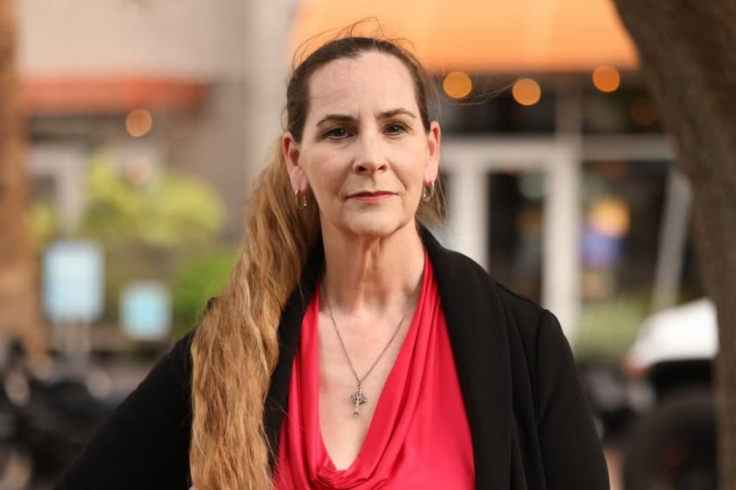
Bernadette Greene-Placentia spent years driving lorries across America and building a transport business, but an alleged sexual assault left the Arizona congressional candidate struggling to acknowledge what had happened to her.
She says she was raped after being knocked unconscious while repairing campaign signs in August. Initially, she wanted to bury the experience, feeling embarrassed that she had been overpowered despite considering herself tough and capable.
More than two weeks later, she reported the incident to police. Now, the Democrat is speaking publicly about why she hesitated and how her experience changed her understanding of other survivors.
She Was Attacked While Repairing Campaign Signs
Greene-Placentia, 52, is challenging Republican Representative Abe Hamadeh in Arizona's 8th Congressional District. She said the alleged assault happened at approximately 2am on 14 August 2026, when she was repairing campaign signs in a parking lot in Sun City, north-west of Phoenix.
In an interview with Phoenix New Times, she described being struck from behind and losing consciousness. When she regained awareness, she said she realised a man was raping her. She also described a second man approaching and said she fought back by kicking at him.
She told CNN that she could not clearly remember driving home or much of what happened immediately afterwards. Video footage reportedly showed her returning home with visible injuries, including a bump on her head.
Greene-Placentia explained that she regularly repaired campaign signs at night to avoid the Arizona summer heat and daytime traffic. Although she usually went with her husband, a member of staff or a volunteer, she sometimes stopped alone to fix damaged signs.
The Maricopa County Sheriff's Office confirmed that a report was filed on 31 August and that an investigation was ongoing.
Why She Felt Too Embarrassed To Report It
Greene-Placentia's hesitation was closely connected to how she had viewed herself before the alleged assault. Having spent 27 years driving lorries across approximately four million miles and operating a transport business, she was accustomed to working in a male-dominated industry and looking after herself.
She told CNN that she felt angry and embarrassed after the incident and initially wanted to bury the experience rather than discuss it. She also questioned why she had not immediately contacted police or gone to hospital.
Her explanation went deeper than embarrassment alone. In an interview with ABC News, she recalled previously questioning why women waited to report sexual assault, including during the 2018 hearings involving Christine Blasey Ford's allegations against then-Supreme Court nominee Brett Kavanaugh. Kavanaugh denied the allegations and was confirmed to the Supreme Court.
Greene-Placentia said her own experience made her understand how difficult it could be to acknowledge that someone had taken away her bodily autonomy and overpowered her physically. She had once struggled to understand why survivors stayed silent, but she now recognised those same feelings in herself.
She Reported the Alleged Assault Two Weeks Later
Greene-Placentia initially told her husband and campaign staff that something had happened but did not want to discuss it. She eventually contacted the Maricopa County Sheriff's Office on 31 August, more than two weeks after the reported attack.
Authorities have confirmed the report and ongoing investigation but have declined to provide further details. Greene-Placentia has also said that her memories of the incident are incomplete, making it important to distinguish her account from details that investigators have independently established.
She does not know whether the alleged attackers targeted her because of her political work. She told ABC News that the incident could have been a crime of opportunity, although she believed the men might have recognised her from campaign signs. No political motive has been established publicly.
Her Decision To Speak Out Has a Wider Purpose
Greene-Placentia said she decided to speak publicly while campaigning and discussing her commitment to fighting for Arizona residents. She realised she was promising to advocate for others while remaining silent about an experience that had affected her personally.
She told ABC News that she felt she could not continue making those promises without also standing up for women who had experienced sexual assault. She wanted to reclaim a sense of control by speaking about what had happened and encouraging other survivors to come forward if they felt able.
Her campaign focuses on issues including affordability, abortion rights, paid family leave, nutrition assistance and border security. Hamadeh has called for a thorough investigation, including efforts to locate relevant camera footage, and said those responsible should face prosecution.
The investigation remains ongoing, and the circumstances of the alleged assault have not been fully established.