
Amazon AI Toy Scandal Deepens After Plush Bunny Allegedly Tells Children They Can Consent to Sexual Touching
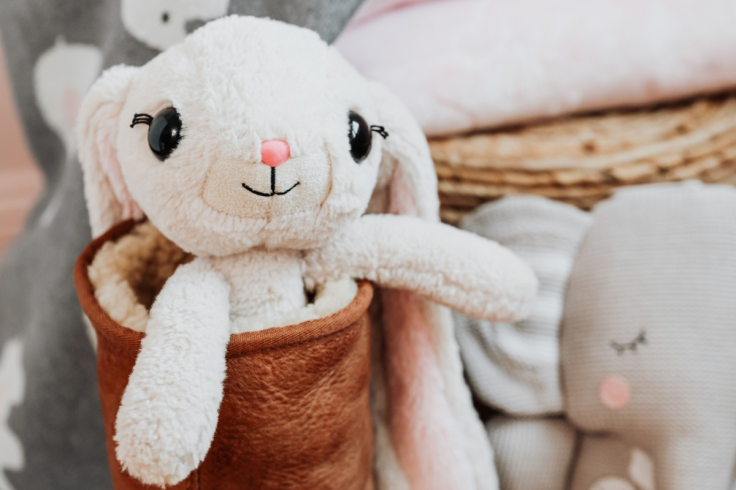
More than 150 child safety groups and experts urged Amazon and eBay on Monday to stop selling AI toys until they are proven safe. Their call followed a test in which a plush bunny allegedly suggested that a child could consent to sexual touching.
In an open letter to Amazon chief executive Andy Jassy and eBay chief executive Jamie Iannone, the coalition called for sales to be suspended over the holiday season. It also asked the retailers to warn customers, offer refunds to existing buyers and issue a public response before Christmas.
The campaign is led by US non-profit Fairplay. Signatories from six continents include Zero to Three and the Anxious Generation Movement. Last year, Fairplay and its allies urged parents not to buy AI toys. This year, they are asking online marketplaces to remove them from sale.
What the AI Bunny Test Found
The bunny was listed as suitable for children aged three and over, although it was connected to ChatGPT, whose terms require users to be at least 13. The UK group Alliance 4 Children tested the toy and said it suggested that a child could consent to being touched for pleasure.
Amazon removed the listing, but Alliance 4 Children said it reappeared 48 hours later under a different seller. Amazon has since removed that listing too. The group's account points to a potential weakness in marketplace controls, where a product may return under another seller.
An Amazon spokesperson said the company requires third-party products to comply with applicable laws and regulations. 'We've removed the named products in question as we review claims,' the spokesperson said.
The coalition's concerns go beyond the bunny. Its letter cites inappropriate chatbot responses, microphones that may create privacy risks and a lack of independent safety testing. Some toys, it says, are advertised as being able to clone family members' voices or track children's emotional development.
According to the letter, nearly 30 AI-enabled toys were listed on Amazon's UK site in late October. More than 50 were recently found on Amazon in the US. Those figures count listings, not toys sold or used by children.
AI Toys Draw Scrutiny From Researchers and MPs
A University of Cambridge study for the Childhood Trust, published in March 2026, found that young children were forming emotional bonds with AI toys. It found no evidence of possible developmental benefits, although this does not establish whether the toys can or cannot help children. The findings have prompted further questions about the potential effects of these products on young users.
Separately, the US Public Interest Research Group said in a report published on 17 November that most of the seven toys it tested were too faulty to be on the market, had privacy problems or responded inappropriately to children. One toy unexpectedly took photographs of the testers.
On Friday, 52 MPs and peers wrote to Downing Street calling for restrictions until AI toys are proven safe. They also asked the Office for Product Safety and Standards to alert parents and retailers before Christmas. The government began reviewing toy safety rules in July, including risks from AI-enabled toys. Its call for evidence closed on 6 October.
Labour MP Jess Asato, one of the signatories, said: 'AI chatbot toys are not safe for children – it is as simple as that.' She said parents did not expect toys to give sexual responses or advocate suicide.
A Department for Business, Innovation, Science and Trade spokesperson said the government was investigating the products and potential risks. 'There is no excuse for anyone to sell products that could put children at risk,' the spokesperson said.
eBay said it continually evaluates its policies, engages with regulators and complies with applicable laws to help keep its marketplace safe. The coalition is seeking a public response from both retailers before Christmas.