
Woman, 19, Thought She Landed a Modelling Job Before Being Forced Into Pornography
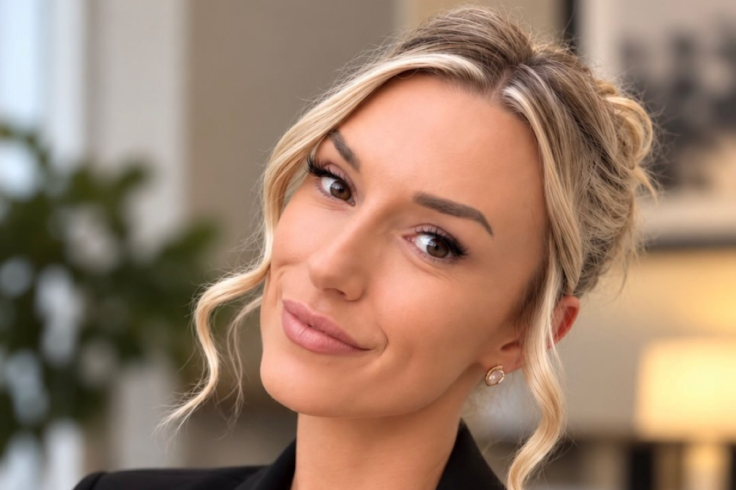
Mariah Rief was 19 when she responded to a modelling advert on Craigslist, believing it could be her opportunity to break into the industry. Instead, what she expected to be a legitimate photoshoot became an eight-hour ordeal in which she was coerced into pornography.
Nearly 10 years later, Rief is speaking publicly about the experience, describing how it affected her mental health and why she wants stronger protections for women exploited by the pornography industry.
Speaking to The Guardian on 14 November, Rief recalled arriving at a Hilton hotel in San Diego in November 2016, expecting a modelling assignment. A woman had previously reassured her that the opportunity was legitimate.
'They're safe, they're legit, and it's real money, you'll get paid,' the woman reportedly told her.
However, when Rief arrived, the photographer, Theodore Gyi, directed her towards a hotel room where another man was waiting. He told her that the room had been booked for privacy and paperwork.
As they approached the entrance, Gyi moved closer and warned her: 'It's going to be a lot better for you if you just walk in and let me tell you what we're going to do here.'
Rief said she immediately realised she was in danger.
'I don't have a choice. Walking into that room means they are going to get whatever they want and I don't know what that entails,' she recalled thinking.
She entered the room, where six studio lights were positioned towards the bed. The men subsequently explained that she would be appearing in what they described as a professionally produced video for wealthy Australian subscribers.
'I Was Literally Robotic, Following Every Instruction'
The shoot lasted eight hours, during which Rief described becoming emotionally detached from what was happening.
'Dissociation is really a hell of a drug. I died in that hotel room; I was a walking corpse,' she told The Guardian.
'I was literally robotic, following every instruction.'
She was eventually handed $4,500 (£3,440), although she said her primary concern throughout the ordeal had been leaving the hotel alive.
Initially, Rief hoped the experience would remain undiscovered. However, approximately a month later, people she knew began contacting her after screenshots and links to the video were circulated through her social network.
She recalled receiving a Facebook message from a former school acquaintance asking, 'How much did you get from it?'
'By the end of that shift, my phone had just blown up,' she said.
The exposure brought further humiliation, with people in her community blaming and shaming her.
'I had so many messages telling me I was a waste of life, I reached a point where I believed it,' Rief recalled.
She also said she knew of 15 GirlsDoPorn victims who had subsequently died by suicide or drug overdose.
Understanding the Psychological Effects of Sexual Trauma
Rief's experience highlights how coercion can affect a person's ability to respond to threatening situations. Her description of becoming 'robotic' is consistent with the concept of dissociation, a psychological response in which someone may feel disconnected from their thoughts, emotions or surroundings during overwhelming experiences.
Sexual trauma can also contribute to post-traumatic stress disorder (PTSD), which may involve intrusive memories, nightmares, avoidance, heightened anxiety and persistent feelings of guilt or shame.
The NHS identifies sexual assault as a potential cause of PTSD, although not everyone who experiences sexual violence develops the condition.
Importantly, a person's failure to physically resist does not establish consent. Fear, perceived threats and psychological coercion can influence how someone responds to an immediate danger.
From Survivor to Advocate
Rief initially struggled to recognise herself as a victim of sex trafficking, questioning why she had not fought back.
However, an FBI investigation eventually helped her understand the extent of the operation. Three men connected to Girls Do Porn were subsequently sentenced: Gyi received four years in prison, Ruben Andre Garcia received 20 years, and ringleader Michael Pratt received 27 years.
Today, Rief runs a consultancy supporting survivors and campaigns for stronger protections against the distribution of non-consensual sexual content.
Reflecting on her advocacy work, she acknowledged the complicated feelings surrounding her experience.
'Sometimes I hate that the worst thing that's happened to me has opened so many doors,' she said. 'It'll never be worth it. I'll never be able to say, "I'm glad this has happened." But I've been very intentional to make sure it's not wasted.'