
California Parents Near Atwater Village Now Fear a Coyote Bite Could Turn Into Cellulitis Within a Day Without Care
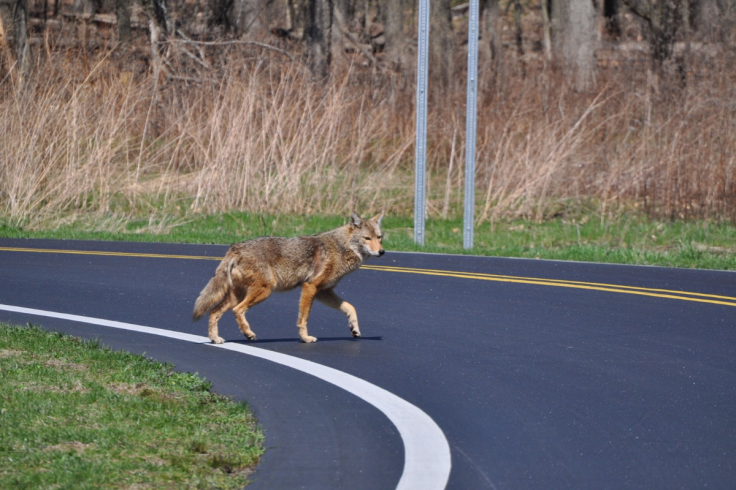
Parents in Los Angeles are being reminded that coyote encounters can become medical emergencies after a 16-month-old boy was bitten in Atwater Village. The child was taken to hospital and released, but health guidance warns animal bites can introduce bacteria and require prompt assessment, even when a wound initially appears minor.
The attack has unsettled families elsewhere, where residents describe coyotes in gardens. The reporting does not say the toddler developed cellulitis.
A Toddler's Bite Renewed Coyote Concerns
The attack happened on 16 October near the 3300 block of Glenhurst Avenue, according to the California Department of Fish and Wildlife. DNA testing confirmed that the coyote shot by wildlife officers on 16 October was the same animal that bit the toddler. The toddler was treated at a local hospital and released.
Residents said the animal had been seen around the neighbourhood for months, approaching homes and people. Some residents suspected that a neighbour had been feeding the animal. Those claims remain unverified. Feeding non-domesticated mammalian predators, including coyotes, is prohibited under Los Angeles Municipal Code Section 53.06.5.
Wildlife officers shot the coyote on 16 October and believed it had died, but did not recover its body. It was later seen alive, apparently limping. On 10 November, state and federal officers found and euthanised it, saying it posed a public-safety threat.
How a Bite Can Lead to Cellulitis
The CDC describes cellulitis as a bacterial infection affecting deeper layers of the skin. Symptoms include redness, warmth, swelling, tenderness and pain; fever or chills may also occur. The US Centers for Disease Control and Prevention says untreated cellulitis can spread and cause serious health problems.
The American Academy of Pediatrics says cellulitis linked to certain animal-bite bacteria can begin within 24 hours. Pasteurella bacteria, found in the mouths of many cats and some dogs and other animals, can enter through broken skin. That does not mean every bite becomes infected, and it does not establish that the Atwater toddler developed the condition. Risk varies with the wound, bacteria and the person's health.
California's public health department advises wild-animal bite victims to wash wounds immediately with soap and running water and seek medical care. A clinician can assess infection risk and whether rabies prevention is needed.
Officials Urge Residents To Keep Coyotes Wild
The California Department of Fish and Wildlife says coyotes generally avoid people, but access to human food can make them accustomed to people. It advises securing rubbish and pet food, keeping children and pets close when a coyote approaches, and making loud noises. If a coyote attacks, fight back and call animal control or 911. Residents should never feed wildlife.
In Westchester, parents have described unease after the Atwater attack. Jessica Puranaputra said a coyote repeatedly entered her fenced garden and slept near children's play equipment. Hazing and fence extensions appeared to stop its visits.
Los Angeles Animal Services has acknowledged staffing shortages can delay responses. Vanessa Rodriguez, one of the department's two wildlife specialists, said routine sightings generally prompt advice by phone and email, while sick, injured or dangerous animals may require faster action. The department does not relocate coyotes, she said.
Families are being urged to keep their distance, remove food sources and supervise children outdoors. Any bite from a wild animal warrants prompt medical assessment, particularly for young children, even before redness or swelling appears. Cellulitis is a possible complication, not an inevitable one.