
13 US Babies Contracted Measles Before Birth as Doctors Warn of Potentially Fatal Brain Complications
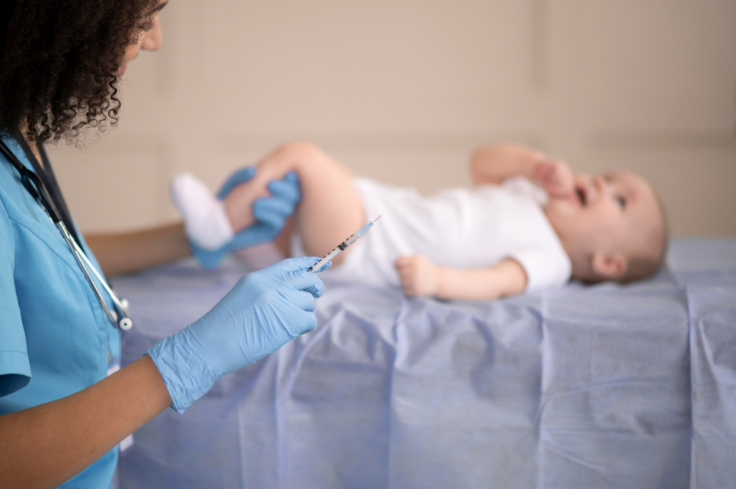
Thirteen babies were reported to have congenital measles in the United States after contracting the infection in the womb, according to a preliminary analysis of cases reported by 16 jurisdictions.
The cases, recorded between January 2025 and 28 September 2026, highlight a concerning consequence of the country's recent measles resurgence. Although congenital measles has been uncommon in the US for decades, doctors are now encountering infections among newborns as outbreaks spread through communities with low vaccination coverage.
The findings come from a preliminary analysis published in NEJM Evidence on 16 November, involving data reported to the Centres for Disease Control and Prevention (CDC) by 16 jurisdictions.
Researchers also identified 112 confirmed measles infections among pregnant women during the same period. Almost all, or 98%, had either not received the measles, mumps and rubella (MMR) vaccine before pregnancy or had an unknown vaccination status.
Why Congenital Measles Can Be Dangerous for Newborns
Congenital measles occurs when an infected pregnant woman passes the virus to her baby through the placenta. Infection close to delivery can increase the likelihood of transmission. Historical reports cited by the American Academy of Pediatrics suggest that approximately 25% to 30% of babies born to women who contract measles in the days before delivery may acquire the infection.
The consequences can range from mild symptoms to severe illness. Affected newborns may develop fever, jaundice and a characteristic measles rash. More serious complications include pneumonia and encephalitis, an inflammation of the brain that can cause lasting neurological damage or death.
Of the 13 babies identified in the latest US analysis, six developed symptoms. One had symptoms consistent with meningoencephalitis, a potentially life-threatening inflammation affecting the brain and its surrounding membranes. All 13 tested positive for the measles virus.
Doctors are also concerned about the possibility of subacute sclerosing panencephalitis (SSPE), a rare, progressive brain disorder associated with an earlier measles infection. It can emerge years after the initial illness, causing behavioural changes, declining cognitive function, seizures and eventually death.
Although uncommon, SSPE is almost always fatal. The American Academy of Paediatrics warns that babies who acquire measles congenitally may face an increased risk of developing the condition, potentially with a shorter interval between infection and symptoms. Researchers say further follow-up is needed to understand the long-term outcomes for affected children.
Falling Vaccination Coverage Leaves Pregnant Women Vulnerable
The resurgence is particularly concerning because measles is highly contagious. The CDC estimates that up to nine out of 10 unvaccinated people exposed to an infected person will contract the virus.
The US recorded more than 7,500 measles cases over the previous two years, according to the Associated Press. Meanwhile, only 92.4% of kindergarten children received the required MMR vaccinations during the 2025–26 school year, below the approximately 95% coverage generally needed to prevent outbreaks.
Pregnant women cannot receive the MMR vaccine during pregnancy. Health authorities therefore recommend vaccination before conception, which also helps protect babies through antibodies transferred across the placenta.
Women who are unvaccinated or unsure of their immunity should contact a healthcare professional immediately after a possible exposure. The CDC says immune globulin, an antibody treatment, may help reduce the risk of infection and complications when administered within six days of exposure.
With infants too young for routine vaccination also vulnerable, doctors say improving vaccination coverage is essential to protecting mothers and newborns from a preventable infection.