
'I'm Back!' Lionel Richie Makes Triumphant Comeback After Heart Procedure for AFib
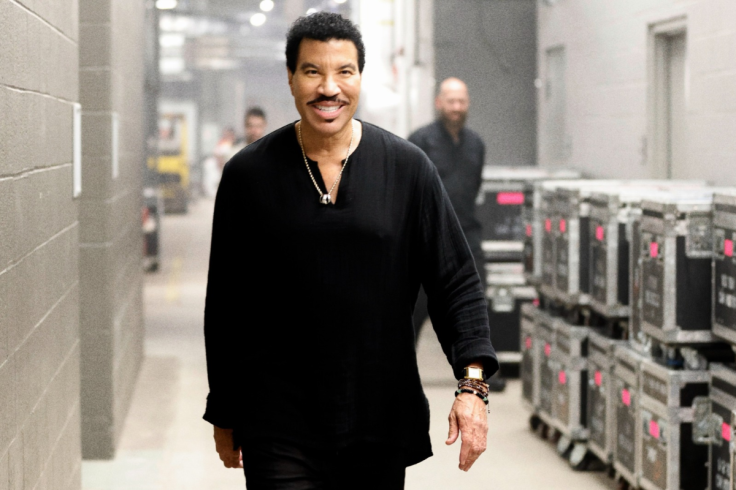
Just two months after a heart procedure for atrial fibrillation (AFib), Lionel Richie strode back on stage in Las Vegas and declared: 'I'm back!' The 77-year-old's return follows a frightening summer of dizziness, hospitalisation and cancelled shows.
On Wednesday, 11 November, the four-time Grammy winner opened his Lionel Richie–King of Hearts residency at Wynn Las Vegas and quipped: 'I don't know where I was, but I'm back!' He added: 'I'm doing just fine. Thank you all so much for caring about me.'
Richie's Return to the Stage
Richie said he wanted to 'make a tribute' to himself before someone else 'down the street' does it. 'This is gonna be a whole week of celebrating Lionel Richie,' he said.
His residency runs from 11 November 2026 to 9 January 2027 at the Encore Theater at Wynn Las Vegas. He is also set to return for American Idol season 25, which airs on ABC on Monday, 8 February 2027.
A Summer of Health Concerns
Richie's health troubles surfaced in June during the Sing a Song All Night Long Tour with Earth, Wind & Fire. One show was cut short after he told the crowd he felt dizzy, and he later postponed two concerts to 'rest and return to full health'.
He returned to the stage that month, joking about the crowd feeling 'worried' for him. In late August, he checked himself into hospital out of caution following a show in St Louis, and was reportedly admitted to the intensive care unit for cardiac tests.
The hospitalisation prompted the acts to cancel their next three performances. In September, Richie underwent a procedure for AFib and would take time off.
'The doctor said everything went perfectly,' a representative for Richie said in a statement. 'Lionel is doing great but will take some time off and will be back on stage soon.'
Understanding AFib and Its Risks
Johns Hopkins Medicine explains that AFib is a type of arrhythmia, or abnormal heart rhythm, in which the heart beats irregularly during episodes. The condition can bring distressing symptoms and serious medical complications.
AFib begins in the heart's upper chambers. The Centers for Disease Control and Prevention says it can cause fatigue, shortness of breath and chest pain.
An NIH-funded study published in 2024 estimated that approximately one in 22 US adults has AFib. The condition stems from abnormal electrical signals in the heart.
Cleveland Clinic says ablation, a minimally invasive treatment for AFib, creates scar tissue to block the electrical signals responsible for irregular heart rhythms. Although the procedure can help restore normal heart rhythm, patients may still need blood-thinning medication to reduce their risk of stroke.
Cardiologist Kevin R. Campbell of Health First in Melbourne, Florida, said some people with AFib need medication to control an irregular heartbeat. Others, particularly those who experience dangerously slow heart rates or pauses between heartbeats, may require a pacemaker.
Very fast heart rates sustained over months can weaken the heart muscle. In some patients, such rates can also cause blood pressure to drop sharply and lead to blackouts.
Stroke and Heart Failure Dangers
People with AFib face a significantly higher stroke risk. During an episode, blood can pool in the upper chambers and form clots that may travel to the brain. A stroke can cause severe disability such as paralysis, blindness and cognitive impairment.
AFib is also linked to heart failure, heart attack and dementia. Heart failure symptoms such as weakness, fatigue and shortness of breath resemble AFib symptoms, so patients may not realise a problem is developing.
Regular check-ups can help detect problems early. Patients are advised to control blood pressure, eat a heart-healthy diet, exercise, limit alcohol and caffeine, manage stress, stop smoking, take medications as prescribed and attend all appointments.
Signs of stroke call for immediate medical attention. The American Stroke Association's FAST guide covers face drooping, arm weakness, speech difficulty and time to call 911.