
Influencer Who Documented Stage Four HER2-Positive Breast Cancer Announces Her Own Death in Pre-Recorded Video
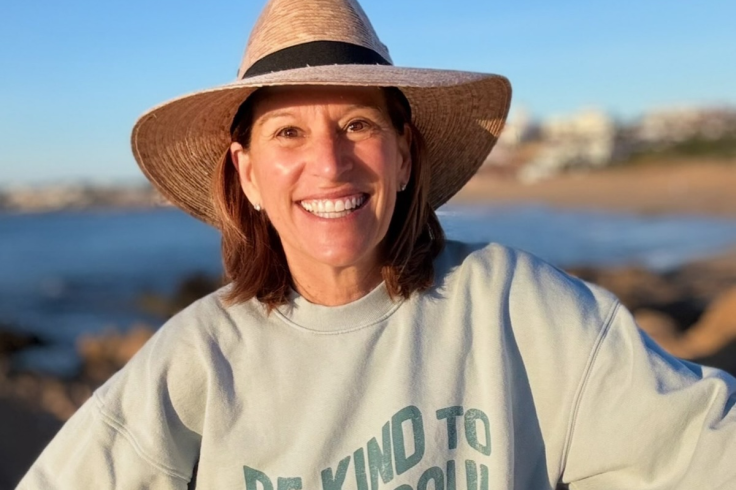
Christie Miller, a content creator who documented her life with stage four HER2-positive breast cancer, has died aged 60. She announced her own death in a pre-recorded Instagram video posted on Monday 23 November.
Dressed in a colourful hoodie, Miller told followers that if they were seeing the video, she was dead. She said she had 'crossed the veil' and was reunited with her late husband, Mark.
The video then cut to a picture montage of Miller and Mark, her husband of 36 years, set to 'Reunited' by Peaches & Herb. Mark died from pancreatic cancer in June 2025.
A Diagnosis Shared Online
Miller was diagnosed with HER2-positive breast cancer in June 2022. Her cancer later progressed to stage four, with brain involvement. She built a following of about 50,000 people by sharing life with the disease.
According to BreastCancerNow, HER2-positive breast cancer is a type in which cells carry elevated levels of human epidermal growth factor receptor 2 protein. This causes the cells to divide at a faster rate.
The Cleveland Clinic lists HER2-positive breast cancer as a fast-growing, aggressive form of the disease. HER2-positive breast cancer does not have symptoms unique to this subtype. Symptoms can include a breast lump, nipple changes or skin changes.
What Stage Four Means
Stage four breast cancer has spread from the breast to other organs, such as the bones, lungs, liver or brain, according to the National Breast Cancer Foundation. The cells remain breast cancer cells wherever they travel.
The disease is not curable but is usually treatable. More women are living longer by managing it as a chronic illness, with a focus on quality of life.
Stage four disease may cause no noticeable symptoms at first, and symptoms depend on where it has spread. Anyone who notices symptoms is advised to contact a doctor or oncologist right away.
Targeted drugs are commonly used to treat HER2-positive breast cancer. Treatment can sometimes produce a complete response, also known as no evidence of disease, in which tests can no longer detect signs of cancer. This does not necessarily mean the cancer has been eradicated, and it may return.
This does not necessarily mean the cancer has been eradicated, and it may return.
Palliative care focuses on managing symptoms or side effects that disrupt quality of life. It is not a treatment for metastatic breast cancer, nor is it hospice care.
Treatment and Outlook
The American Cancer Society states that systemic therapies are the main, lifelong treatment for stage four breast cancer. These may include hormone therapy, chemotherapy, targeted therapy, immunotherapy or a combination.
The drugs used depend on the hormone receptor and HER2 status of the cancer. A drug often continues until the cancer starts growing again or side effects become unacceptable.
Local treatments such as radiotherapy or surgery are sometimes used as well. These are more often meant to prevent or treat symptoms, such as bone fractures or pain, than to remove all the cancer.
The five-year relative survival rate for women with distant-stage breast cancer is approximately 33 per cent, according to estimates based on US data. Such estimates, however, cannot predict any individual's outcome.
Choosing Joy Amid Grief
In her video, Miller said a person can be in joy and still have grief, and can be at peace knowing they are dying. She called it a choice of emotion.
She also referred to David Hawkins' Map of Consciousness, a spiritual self-help framework that categorises emotional states and attitudes. It is not a scientifically validated measure of consciousness. Miller said she had spent many years living at the top of the scale.
She told followers it is normal to be sad but also to be happy for the time they shared adding, she had 'lived this beautiful life with no regrets'.
She closed by telling followers to 'feel the fear and do it anyway' and to find joy every day. A caption said she 'graduated Earth School peacefully' that morning, surrounded by love.