
Roseanne Barr, 74, Makes Candid Sex Confession, Saying Her Libido 'Cost Me Everything'
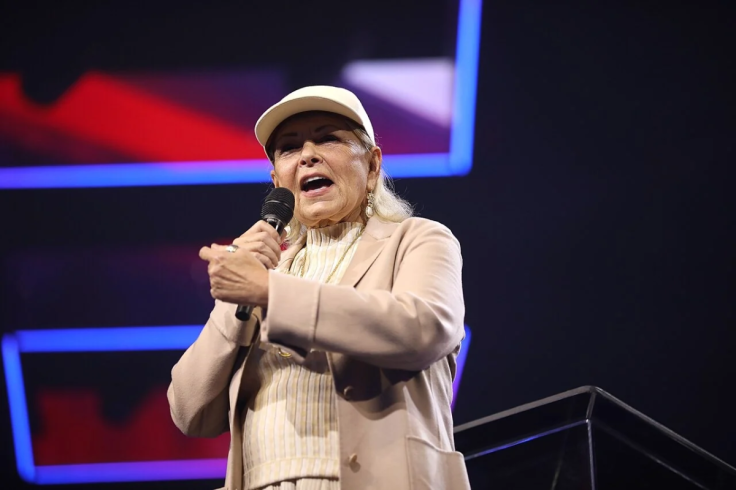
Roseanne Barr, 74, says her sex drive 'cost me everything' and questions why she would ever want it back. The comedian made the admission during a Wednesday 18 November appearance on Christina Pazsitzky's Your Mom's House podcast.
Barr said she has 'no sexual interest or desire', describing only a fleeting thought that sometimes enters her mind before quickly leaving. Asked whether she is single, Barr slowly smiled and said, 'I guess.'
Friends have urged her to take hormones to get her libido back, Barr said. Her response was to ask why, calling her former sex drive a 'devil'.
Barr Describes Life Without Libido
She joked that she joined a 12-step programme to give up her addiction to sex, calling it 'the best thing'. She has been celibate for 14 years, she said, including seven with a partner.
Barr said the change brought clarity, giving her time to ponder the world and how she can fix it. She did not say she has a medical condition, and she described the change as positive.
The National Institute on Aging says some older adults are content with a sexual or an intimate relationship without the other, while others choose to avoid both. Sexuality is affected by a person's emotional and physical state.
Hormones and Other Health Factors
Desire can rise or fall during menopause, which can last years and bring hot flushes, sleep trouble and mood changes. Women who use hormone therapy to treat such symptoms may see a considerable boost in sexual interest and drive.
Illnesses, disabilities, medicines and surgeries can also affect the ability to enjoy sex. A lack of interest in activities once enjoyed, including intimacy, can be a symptom of depression.
Anyone who suspects depression is advised to talk with a doctor about treatments that will not further interfere with desire. Some medicines, including certain antidepressants and blood pressure drugs, can also reduce sexual desire.
Discussing sexual problems with a doctor may feel uncomfortable, but doctors need to hear about them to treat patients effectively. Online patient portals may also make starting that conversation easier.
The Centre for Sexuality says falling oestrogen levels as menopause nears can bring vaginal dryness, lower sex drive and slower arousal. Sex can also reduce stress.
People with concerns about such changes can ask a doctor, pharmacist or counsellor about lubricants, vaginal moisturisers or hormone therapy. Longer foreplay and activities without penetration may also help.
Talking with a doctor may help address medical conditions behind sexual changes. Growing older does not have to mean the end of sexual activity.
Doctors Urged to Raise Topic
An article in The Lancet Healthy Longevity says people do not become asexual with age, though they may modify their sexual activity. Physicians should make sexual health a routine part of general care for older adults.
A study in England found 34 per cent of women aged 70 to 79 reported being sexually active. In a separate US poll of people aged 65 to 80, two-thirds said they were interested in sex.
Only 17 per cent of older adults in a US sample reported speaking to a physician about sexual issues in the past two years. A sexual health problem could signal an undiagnosed condition or a medication side effect.
Sexually transmitted infections among people aged 55 and older have more than doubled over the past decade. Gonorrhoea cases in that age group rose from 3.5 to 17.2 per 100,000 people between 2010 and 2020.
A brief screening tool at check-in could identify sexual concerns. Doctors can open such talks by explaining that the questions are asked of all patients and that responses are confidential.