
Wayne Rooney Contemplated Suicide at Manchester United While Hiding His Struggles From His Family
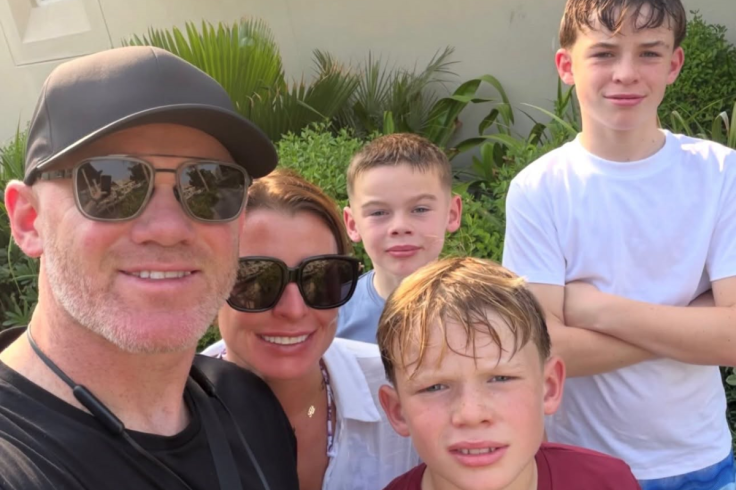
Wayne Rooney has revealed that he contemplated suicide while playing for Manchester United, despite enjoying some of the most successful years of his football career. The former England captain also described how he isolated himself at home for days while drinking alcohol, struggling to cope with emotional distress he found difficult to acknowledge.
Speaking to Gabby Logan on the Life at the Midpoint podcast, the 41-year-old said his mental health struggles coincided with a period when he was performing exceptionally well on the pitch and had recently started a family.
'When I was drinking, I would lock myself in my house for two days and just drink,' Rooney recalled.
He explained that he reached a point where he no longer wanted to interact with people or leave his home.
'I got to a place where you're contemplating suicide. You just didn't want to be around anyone. I didn't want to see people in the streets. I didn't want to go into shops,' he said.
Rooney added that he felt comfortable playing football but struggled with almost everything outside the sport.
Wayne Rooney Struggled to Seek Help Despite His Football Success
The former striker joined Manchester United from Everton in 2004 and eventually became the club's all-time leading goalscorer, netting 253 times in 559 appearances.
However, his achievements on the pitch did not reflect what he was experiencing privately.
At the time, Rooney had recently married his wife, Coleen, and welcomed their eldest son, Kai, who is now 17. He said he struggled to understand why he felt so unhappy despite having what appeared to be a fulfilling personal and professional life.
'I was speaking to a therapist to try and figure out what was up with me because when I look back, I was probably at the height of my career, I've just had a young son, I've just been married. It should be the happiest point in my life, and it wasn't,' he explained.
Rooney also admitted that he initially found it difficult to acknowledge his struggles because he associated showing emotional vulnerability with weakness.
'You don't want to show any weakness, so you try to mask it,' he said, describing how he felt that admitting his difficulties could make him feel 'less of a man'.
He eventually opened up to Coleen and his mother, recognising that he needed help to overcome the situation.
Why Men Can Struggle to Talk About Suicidal Thoughts
Rooney's experience highlights how social expectations surrounding masculinity can discourage men from discussing emotional distress or seeking professional support.
Research has linked traditional masculine norms, including expectations of self-reliance and reluctance to express vulnerability, with lower rates of psychological help-seeking among men.
The World Health Organisation (WHO) identifies suicide as a major global public health concern. An estimated 746,000 people die by suicide worldwide each year, and suicide was the second leading cause of death among people aged 15 to 29 in 2023.
Although suicidal thoughts can affect anyone, stigma, social isolation, substance misuse and difficulties expressing emotional distress can complicate efforts to seek help.
Alcohol can further increase vulnerability by affecting judgement, lowering inhibitions and intensifying impulsive behaviour, particularly during periods of emotional distress.
Mental health professionals generally recommend seeking support early rather than waiting until symptoms become overwhelming. Talking therapies, appropriate psychological interventions and treatment for substance misuse can help people manage emotional difficulties and reduce the risk of further crises.
Coleen Rooney Helped Him Through His Darkest Period
Rooney credited his wife with playing a significant role in helping him navigate his struggles, acknowledging that their relationship had been severely tested.
'Coleen helped me massively. She could have walked away; it was that bad, but she stuck by me and helped me get through it,' he said.
His decision to speak openly about the experience also highlights the importance of challenging the stigma that can prevent men from acknowledging mental health difficulties.
People experiencing suicidal thoughts or emotional distress should seek help from a healthcare professional or trusted support service. In the UK, Samaritans offers free, confidential support around the clock on 116 123.