
Waymo's Robotaxi Pause Raises Questions About Who Is Liable When Self-Driving Cars Cause Injuries
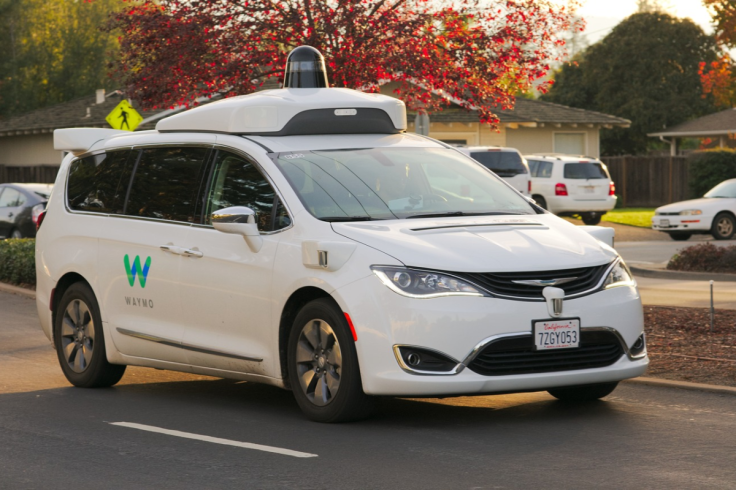
Waymo has halted driverless freeway rides across the United States after California barred its robotaxis from the state's freeways. The Department of Motor Vehicles (DMV) called the operations an 'imminent hazard to public safety' following incidents involving construction zones and highway patrol vehicles.
No injuries or collisions were reported, but the pause raises questions about how responsibility would be established if a driverless car caused harm.
The restriction took effect on 11 November after Waymo vehicles entered an active construction closure on US Route 101 near Burlingame.
In a separate incident, a vehicle tried to pass California Highway Patrol officers managing a traffic break on Interstate 280 in San Francisco. The department said the incidents followed similar problems earlier this year.
Why California Stopped Waymo's Freeway Rides
The California Department of Motor Vehicles said repeated incursions into active construction zones put workers, vehicles and equipment at risk. 'The Department determined that Waymo's driverless freeway operations pose an imminent hazard to public safety,' it said in a statement.
The state's restriction will remain in place until Waymo demonstrates 'effective corrective actions to address the deficiencies.' The DMV has not announced a date for lifting the ban. The order applies to freeway operations in California, while Waymo's wider pause also covers its other markets.
Waymo said it had temporarily restricted freeway operations across those markets while it evaluates performance. The company's spokesperson said it was 'working with the California DMV and other state officials diligently and responsibly to resume freeway operations.' The service continues on ordinary streets.
Limited Freeway Rides
The company operates in 15 US cities, but freeway rides have been available in only some of them, including San Francisco and Los Angeles. In Austin, customers can still book trips on surface streets.
Waymo says its service carries more than half a million trips each week, although the available information does not specify how many depend on freeway routes.
The pause is not the first time this year that Waymo has limited freeway rides while reviewing how its vehicles handle construction zones. The company previously said it was working to improve performance in those settings. The latest restriction suggests California regulators have not yet accepted that the changes address their concerns.
What the Waymo Pause Means for Liability
The DMV's restriction concerns the safety of Waymo's freeway operations and does not determine liability. No injury claims have been reported in connection with the incidents described.
Responsibility for any future injury would depend on evidence from the individual incident, including how the vehicle operated and what led to its actions. The available information does not detail Waymo's software, remote support or decision-making in the incidents.
The National Highway Traffic Safety Administration said it was in communication with Waymo and California's DMV and would 'take additional actions as appropriate'. The agency did not assign fault in the incidents. The California restriction will remain in place until Waymo demonstrates effective corrective actions, the DMV said.
Waymo's freeway pause comes as the company expands and competitors, including Tesla and Amazon-owned Zoox, enter the robotaxi market. Waymo's street-level service continues while it works with officials to resume freeway operations.
Waymo has halted driverless freeway rides across the United States after California barred its robotaxis from the state's freeways. The DMV called the operations an 'imminent hazard to public safety', following incidents involving construction zones and highway patrol vehicles.
No injuries or collisions were reported, but the pause raises questions about how responsibility would be established if a driverless car caused harm.
The restriction took effect on 11 November, after Waymo vehicles entered an active construction closure on US Route 101 near Burlingame.
In a separate incident, a vehicle tried to pass California Highway Patrol officers managing a traffic break on Interstate 280 in San Francisco. The department said the incidents followed similar problems earlier this year.
Why California Stopped Waymo's Freeway Rides
The California Department of Motor Vehicles said repeated incursions into active construction zones put workers, vehicles and equipment at risk. 'The Department determined that Waymo's driverless freeway operations pose an imminent hazard to public safety,' it said in a statement.
The state's restriction will remain in place until Waymo demonstrates 'effective corrective actions to address the deficiencies'. The DMV has not announced a date for lifting the ban. The order applies to freeway operations in California, while Waymo's wider pause also covers its other markets.
Waymo said it had temporarily restricted freeway operations across those markets while it evaluates performance. The company's spokesperson said it was 'working with the California DMV and other state officials diligently and responsibly to resume freeway operations'. The service continues on ordinary streets.
The company operates in 15 US cities, but freeway rides have been available in only some of them, including San Francisco and Los Angeles. In Austin, too, customers can still book surface-street trips.
Waymo says its service carries more than half a million trips each week, although the supplied information does not specify how many depend on freeway routes.
The pause is not the first time this year that Waymo has limited freeway rides while reviewing how its vehicles handle construction zones. The company previously said it was working to improve performance in those settings. The latest restriction suggests California regulators have not yet accepted that the changes address their concerns.