
Sporty Law Student, 21, Was Fit and Healthy Until She Got a Moderna Jab. She Died Five Weeks Later
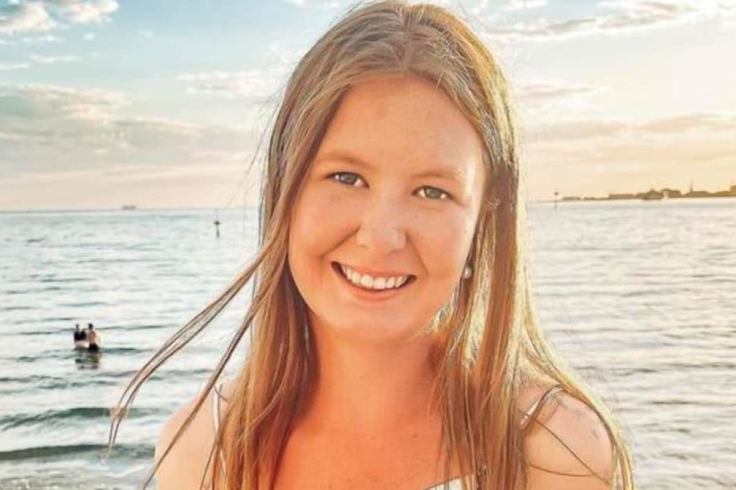
Natalie Boyce was a fit, active 21-year-old law student who worked and studied while staying active. Five weeks after receiving a Moderna COVID-19 booster, she was dead. Now, an inquest in Victoria, Australia, is examining whether heart inflammation, a pre-existing autoimmune condition or other factors contributed to her sudden decline.
Boyce, a fourth-year Bachelor of Laws and Commerce student at Deakin University, received the booster on 18 February 2022. She fainted the following day. About a week later, after several days of vomiting and aches, she sought medical care. Her symptoms continued, and she later experienced chest pain and shortness of breath.
On 5 March, she attended Mulgrave Private Hospital, where an electrocardiogram raised the possibility of pericarditis, inflammation of the sac surrounding the heart. She was transferred to The Alfred Hospital in Melbourne and diagnosed with fulminant myocarditis, a severe inflammation of the heart muscle. Her condition deteriorated, and she died on 27 March after suffering cardiac arrest during an MRI scan.
The inquest at the Coroner's Court of Victoria is examining competing medical evidence, the progression of her illness and whether warning signs were recognised in time. The timing alone does not prove the vaccine caused her death.
Was the Moderna Booster Linked to Myocarditis?
Myocarditis occurs when the heart muscle becomes inflamed, potentially affecting its ability to pump blood and, in severe cases, triggering abnormal heart rhythms or heart failure. Pericarditis affects the thin sac around the heart. The conditions can occur separately or together.
Australian authorities' expert panel reportedly considered Boyce's myocarditis likely to be related to vaccination, while acknowledging that other factors may have contributed. A post-mortem report said a vaccine-related cause could not be excluded because of the timing, but also noted that this could not be established definitively after death.
Moderna, which is participating in the inquest, has challenged aspects of the medical interpretation. Its own cardiologist disputes that myocarditis was the main reason for Boyce's death. The coroner must determine the cause and any role played by vaccination.
Boyce also had antiphospholipid syndrome (APS), an autoimmune condition that increases the risk of blood clots. The inquest is considering whether the condition contributed to her illness or complicated the clinical picture. Its presence does not, by itself, establish what caused the myocarditis or her death.
What Are the Warning Signs of Myocarditis?
Myocarditis has been reported rarely after mRNA COVID-19 vaccines, including Moderna. UK Health Security Agency guidance says reported cases have been most common in younger people, particularly males under 25, and after a second dose. Symptoms usually begin within days, and most reported cases are mild and recover with treatment and rest.
The NHS advises urgent medical assessment for new chest pain, shortness of breath or a racing, fluttering or pounding heartbeat after vaccination. These symptoms can have many causes, but should not be ignored.
The inquest is also examining the care Boyce received before reaching The Alfred. Evidence has raised questions about whether further heart tests, including an ECG and a troponin blood test, should have been carried out during her visit to Monash Health on 3 March. The court heard that a review panel did not reach consensus on whether those tests were warranted.
For her mother, Deborah Hamilton, the proceedings are about understanding her daughter's final weeks. The coroner must establish the medical circumstances and contributing factors. Until the evidence has been tested and findings delivered, the exact cause of Boyce's death remains unresolved.