
Celine Dion's Stiff-Person Syndrome Battle Draws Attention as CAR-T Therapy Transforms Patients' Lives
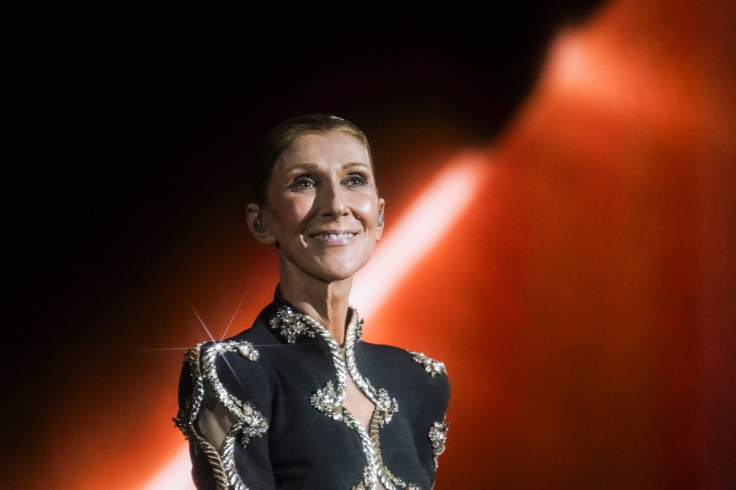
Céline Dion's return to the stage has brought renewed attention to stiff-person syndrome, the condition she disclosed in 2022. An experimental CAR T-cell therapy for stiff-person syndrome is showing encouraging results, with a trial reporting improvements in walking, stiffness and independence a year after one infusion. The findings are promising, but the therapy remains investigational.
Car T-Cell Therapy for Stiff-Person Syndrome
The treatment, mivocabtagene autoleucel, or miv-cel, was tested in 26 adults with stiff-person syndrome (SPS) who had not responded adequately to immunotherapy. In the phase 2 KYSA-8 study, participants received a single infusion of genetically modified T cells, designed to target CD19, a protein found on B cells.
One-year results presented in October 2026 showed a median 49 per cent improvement in patients' performance on the timed 25-foot walk test. Of the 12 people who had needed a walking aid, eight completed the test without assistance. Nearly all participants remained off chronic immunotherapy.
The findings complement the primary KYSA-8 results published in JAMA Neurology on 9 November. That analysis found a median 45.6 per cent improvement in timed walking performance at 16 weeks, with improvements also recorded in stiffness, sensitivity to stimuli, disability and mobility.
Researchers also recorded improvements in stiffness, sensitivity to stimuli, disability and mobility. The study enrolled adults with antibody-positive SPS across three US sites.
How Car T-Cell Therapy Works
CAR T-cell treatment is best known for its use in certain blood cancers. Doctors collect a patient's T cells, modify them in a laboratory to recognise a chosen target, and return them to the body. Here, the engineered cells seek out CD19-positive B cells, which are thought to contribute to the autoimmune process behind SPS.
The aim is to disrupt the immune activity driving the condition. Miv-cel is being investigated as a one-time infusion with potentially longer-lasting effects. Researchers call this a possible immune reset, although its lasting effects remain under study.
Safety findings also matter. Every participant in the published trial experienced at least one treatment-related adverse event. Cytokine release syndrome, an inflammatory reaction that can follow CAR T-cell therapy, was reported in 24 of 26 patients, although all cases were low grade.
Three patients experienced low-grade neurological toxicity, while five developed severe neutropenia, a reduction in infection-fighting white blood cells. Treatment requires specialist monitoring.
What the Findings Mean for Céline Dion and Patients
SPS can cause muscle stiffness, painful spasms and heightened sensitivity to noise, touch or emotional stress. Symptoms can interfere with walking and, in severe cases, leave people dependent on mobility aids. Existing care includes medicines to ease spasms and treatments such as intravenous immunoglobulin.
Dion revealed her diagnosis on 8 December 2022 and returned to live performance in Paris in September 2026. Her experience has helped bring visibility to SPS, but the trial does not report her as a participant. Its findings should not be presented as a treatment update about the singer herself.
There is a link through her charitable work: the Céline Dion Foundation helped establish an endowed chair in autoimmune neurology at the University of Colorado, held by Amanda Piquet, the KYSA-8 trial's lead investigator.
The evidence is limited by the non-randomised study and need for follow-up. Kyverna Therapeutics announced on 12 November that it had completed its rolling Biologics License Application (BLA) submission to the FDA, requesting priority review for miv-cel. For patients, CAR T-cell therapy for stiff-person syndrome offers grounds for optimism, but not an approved treatment or a guarantee of recovery.