
Tyler Ritter Reveals How Losing Dad John Ritter Fueled His Mission to Prevent Aortic Dissections
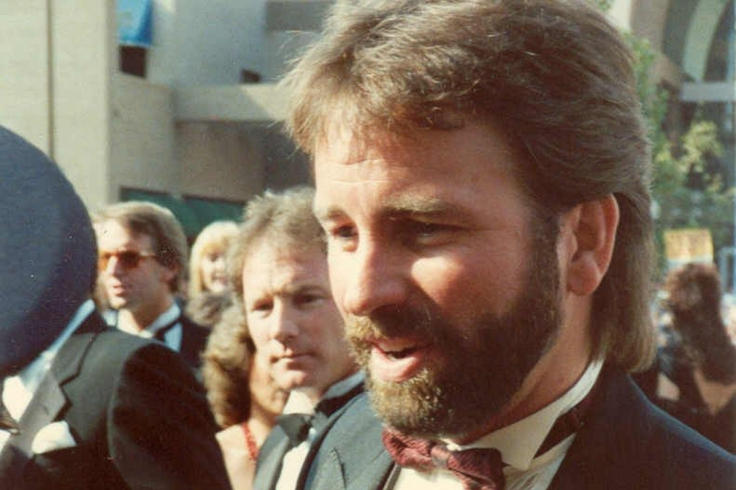
Actor John Ritter was 54 when an undiagnosed aortic condition killed him within hours of falling ill on set, yet his son says deaths from the condition can often be prevented through early detection and appropriate medical care. Tyler Ritter, 41, has since turned that loss into a mission.
Tyler found a photograph of himself at 17 with his father on a raft in Costa Rica. Taken in 2002, a year before John died, the image now strikes him as a 'metaphor for grief'.
John died on 11 September 2003 from an aortic dissection, a tear in the main artery leading from the heart. For years, his son felt flung from a boat 'in the white rapids, underwater, incapable of breathing or helping myself'.
From Grief to Advocacy
Over time, he learned, 'I can do something with this grief.' For the past five years, that has meant serving as spokesman and board member for the John Ritter Foundation for Aortic Health.
Amy Yasbeck, his stepmother, founded the nonprofit. 'The most surprising aspect of this disease is that it is preventable if you detect it early enough and you have the right medical team around you,' Tyler says.
Silent Condition, Sudden Death
On the day he died, John Ritter began vomiting, sweating and having chest pains on set after a workout and nap. Doctors treated him for a heart attack, but he died hours later.
The family learned he had an undiagnosed thoracic aortic aneurysm, a bulge that weakens the artery. Thoracic aortic aneurysms often cause no symptoms until they dissect or rupture.
Once someone is in pain, 'it's late in the game', and half of those affected never reach the emergency room. Symptoms can resemble a heart attack, which often delays diagnosis.
According to the Mayo Clinic, dissection is a medical emergency in which blood rushes through a tear, splitting the artery's layers. About 40 per cent of patients with an acute dissection involving the ascending aorta may die immediately, while the risk of death continues to rise by around 1 to 2 per cent per hour without treatment.
Family History Raises the Stakes
In 2007, an echocardiogram revealed that John Ritter's brother, Tom, had a 'massive' aortic aneurysm, and he was rushed into surgery. Tom has since done 'unbelievably well'.
'Tommy would not have survived if my dad had not dissected first,' he says. He believes his father would have found 'some solace' in giving Tom 20 more years of life.
The family believes Tex Ritter, John and Tom's father, who was thought to have had a heart attack, likely died from an aortic dissection. Tyler and his siblings undergo regular scans.
The 2022 American Heart Association and American College of Cardiology guideline emphasises rapid recognition and treatment. It recommends aortic imaging for first-degree relatives of people diagnosed with aortic root or ascending aortic aneurysms or aortic dissection. Genetic testing is recommended for affected patients with risk factors for heritable thoracic aortic disease.
Dr Manesh Patel, the heart association's volunteer president, says atherosclerosis and high blood pressure raise risk, and some genetic connective tissue disorders cause aortic disease in younger adults. He urges those at risk to discuss screening with doctors.
Spotting and Preventing Dissections
Yasbeck has shared the 'Ritter Rules', which stress that dissection can look like a heart attack and should be considered until another diagnosis is confirmed. Severe pain in the chest, stomach, neck or back is the top symptom.
CT is generally the preferred initial imaging test for suspected aortic dissection. MRI and transoesophageal echocardiography are alternatives, while a chest X-ray or ECG alone cannot reliably rule out the condition.
Tyler once wondered whether each bench press might cause a tear. His cardiologist tells him not to worry and says he will see him in a year.
Tyler urges anyone at high risk, including people with connective tissue conditions such as Ehlers-Danlos syndromes, to see a doctor. The same goes for those whose relatives died of cardiac events.
The John Ritter Foundation says early detection and treatment can prevent premature deaths. For Tyler, the work brings 'a sense of peace'.