
Woman's Oura Ring Flagged a Heart Problem Doctors Had Initially Missed After Months of Symptoms
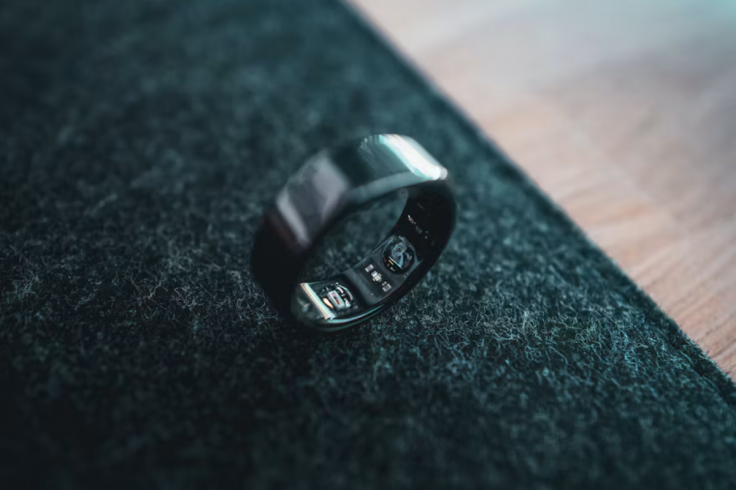
A woman who spent months feeling unwell after major surgery found a possible explanation for her symptoms after noticing unusual changes in the health measurements recorded by her Oura Ring.
Ashley Thieme, a writer for Tom's Guide, said she had been struggling with fatigue, declining fitness and a general feeling that something was wrong. Despite visiting her doctor, she was initially told there was nothing concerning and advised to take it easy.
However, her wearable device continued recording changes in her usual health measurements, including a sharp drop in heart rate variability (HRV) and an unusually high resting heart rate while she slept.
After noticing that her heart rate was also jumping unexpectedly while she was sitting still, Thieme decided to seek medical advice again. This time, she shared the data collected by her ring and underwent further testing.
She was diagnosed with tachycardia, a condition in which the heart beats faster than normal. She has since worked with healthcare professionals on medication and a more focused exercise plan.
Oura Ring Recorded Changes In Her Health
Thieme said her symptoms began after she underwent major surgery. Although she initially tried to continue her usual routine, she gradually started cancelling plans with friends and avoiding exercise because she did not feel well enough.
She had been wearing an Oura Ring since 2023 and regularly checked its readiness scores, which use several measurements to estimate how prepared the body may be for daily activity.
Towards the end of 2024, those scores began falling despite her efforts to get enough sleep and take things more slowly.
Her HRV, which measures variations in the time between consecutive heartbeats, also dropped. At the same time, her sleeping resting heart rate rose, while changes in her body temperature prompted alerts from the device's Symptom Radar feature.
The persistent pattern eventually encouraged her to return to her doctor rather than dismiss the symptoms.
What Is Tachycardia?
Tachycardia refers to a heart rate that is faster than normal. In adults, a resting heart rate above 100 beats per minute is generally considered tachycardia, although the significance depends on the person's circumstances and underlying health.
Tachycardia can have several causes, including stress, fever, dehydration, anaemia, certain medications and problems with the heart's electrical system. The cause depends on the type of tachycardia.
Some people experience palpitations, which can feel like a racing, pounding or fluttering heartbeat. Other symptoms may include dizziness, fatigue, breathlessness or chest discomfort.
According to the NHS, people experiencing recurring or worsening palpitations should seek medical advice. An electrocardiogram (ECG), which records the heart's electrical activity, may be used to investigate a suspected rhythm problem. If episodes are intermittent, a doctor may recommend a portable heart monitor to record the rhythm over a longer period.
Tachycardia is not always dangerous, but its underlying cause needs to be assessed before deciding whether treatment is necessary.
Can A Smart Ring Detect Heart Problems?
Oura Ring tracks measurements including resting heart rate, HRV, temperature trends and sleep patterns. Its Symptom Radar feature can flag changes that may suggest the body is experiencing physiological strain.
However, the company states that the ring is not a medical device and is not intended to diagnose or treat health conditions.
Thieme's experience illustrates how tracking changes from a person's usual baseline may help them recognise a pattern worth discussing with a healthcare professional. It does not mean the device can identify the specific condition causing those changes.
Medical experts quoted in the original report also advised users to look for persistent trends rather than reacting to a single unusual reading.
Thieme Says Her Health Has Improved
After receiving her diagnosis, Thieme began working with healthcare professionals to investigate the cause of her fast heartbeat. Her treatment included medication and a more structured exercise plan.
She also made changes to her routine, including slowing down and paying closer attention to stress.
Her updated health measurements showed improvements, and she said she had been able to return to activities such as hiking and enjoy more restful nights.
Thieme urged people not to jump to conclusions based on wearable readings alone, emphasising that health concerns should always be discussed with a medical professional.
Her experience highlights the potential value of wearable technology as a tool for noticing changes, while reinforcing that it cannot replace medical assessment or diagnosis.