
'I Still Have No Idea What I Have': Man Develops Painful Symptoms After Rape as Doctors Struggle To Identify Infection
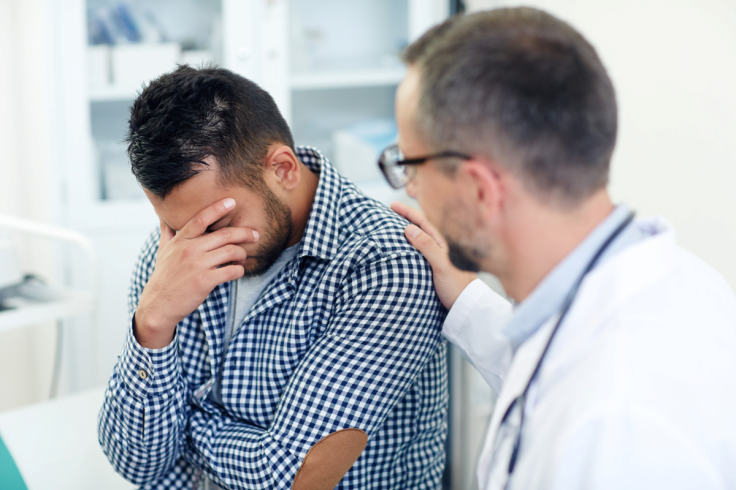
A 38-year-old man has described feeling 'dirty' and fearing he could unknowingly infect others after developing painful genital symptoms following an alleged rape, with initial medical tests reportedly failing to identify an infection.
The man shared his experience in a 16 November post on Reddit's r/AskDocs community, explaining that he woke up at around 4am at a friend's home to find the woman performing oral sex on him without his consent. He also said she subsequently claimed they had engaged in vaginal intercourse, although he could not establish whether this had happened.
According to his account, he initially noticed redness and itching around his penis eight days after the incident. Two days later, he developed painful urination, testicular tenderness, fever, weakness and clear penile discharge.
He said he struggled to obtain medical attention until developing severe conjunctivitis, which eventually prompted a clinic to examine him approximately two weeks after reporting the assault.
Antibiotics Relieved Symptoms, but Tests Reportedly Came Back Negative
Healthcare workers reportedly collected penile and eye swabs, alongside urine and blood samples. A nurse prescribed doxycycline, an antibiotic commonly used to treat certain bacterial infections, including chlamydia.
The man said his penile discharge disappeared after five days of treatment and urination became painless. His eye symptoms reportedly took another 10 days to resolve.
However, approximately one month after the assault, he received a telephone call informing him that his test results were negative. He said the healthcare worker could not explain precisely which infections had been investigated.
The uncertainty left him questioning whether he had contracted an infection that had not been detected.
One physician responding to his Reddit post suggested chlamydia as a possible explanation for his symptoms, noting that doxycycline is an effective treatment for the infection. However, gonorrhoea can also cause urethral discharge and, in rare cases, conjunctivitis. Doxycycline alone is not a recommended treatment for gonorrhoea, which is treated with ceftriaxone.
No confirmed diagnosis was provided, and symptom improvement following antibiotics does not establish which infection, if any, was responsible.
Why Negative STI Tests May Not Always Provide Immediate Answers
Sexually transmitted infections can have different detection windows, meaning an infection may not be identifiable immediately after exposure.
The US Centres for Disease Control and Prevention (CDC) recommends testing for infections including gonorrhoea and chlamydia at the anatomical sites exposed during sexual assault. Depending on the circumstances, additional screening may include HIV, syphilis and hepatitis B.
HIV testing also depends on the type of test used. According to the CDC, laboratory-based antigen/antibody tests using blood from a vein can usually detect HIV between 18 and 45 days after exposure. Antibody-only tests may require 23 to 90 days.
The CDC recommends follow-up HIV testing at six weeks and three months after sexual assault when the source's infection status cannot be established.
Importantly, HIV post-exposure prophylaxis (PEP), which involves taking medication to reduce the risk of infection, must be started within 72 hours of potential exposure. It cannot be initiated as an effective preventive measure weeks after exposure.
The Psychological Impact of Sexual Assault
Beyond his physical symptoms, the man described experiencing significant emotional distress, particularly concerning the possibility of transmitting an infection to someone else.
He said the experience had severely affected his self-esteem and made him question whether he could comfortably enter another romantic relationship.
Sexual assault can have lasting psychological consequences, including anxiety, depression, post-traumatic stress disorder and difficulties with intimacy.
The NHS advises survivors to seek medical and emotional support following sexual assault, regardless of whether they decide to report the incident to the police.
Although the man's symptoms reportedly improved, his account highlights why survivors need clear explanations of medical investigations, appropriate follow-up testing and access to trauma-informed support.