
Women Blamed These Viral Diet Products for Making Them Sick, Now They're Coming Back
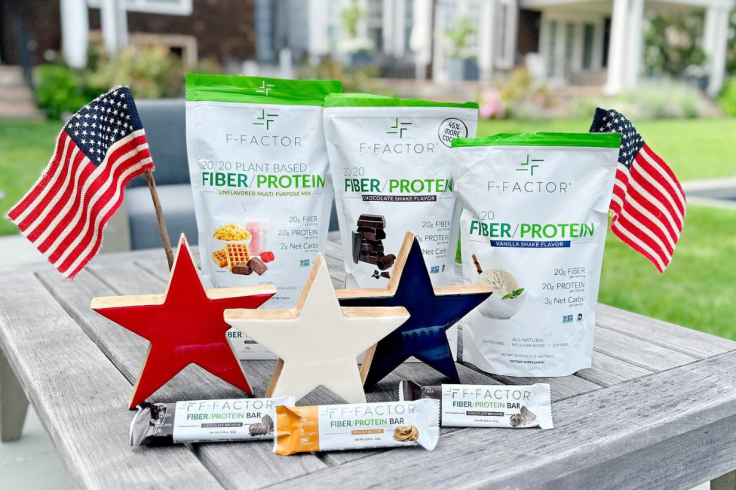
A fibre powder at the centre of a lawsuit in which women allege it caused intestinal blockages and internal bleeding is set to return with the same formula. Manhattan dietitian Tanya Zuckerbrot plans to relaunch her F-Factor range by spring 2027.
Eight women alleged in a product-liability lawsuit that the products caused serious injuries. Zuckerbrot has denied the allegations. Zuckerbrot maintains that the products have been proven safe, although the separate product-liability lawsuit remains unresolved.
The case, filed in 2022, remains unresolved, so the central health question has not been decided. The relaunch comes six years after women first blamed the products for making them sick.
Fibre Dose and Digestive Risks
The 'F' in F-Factor stands for fibre, an indigestible carbohydrate that adds bulk to food. F-Factor recommends at least 35 grams of fibre daily for women and 38 grams for men. The Academy of Nutrition and Dietetics lists adequate daily intakes of 25 grams for adult women and 38 grams for adult men.
It lists 20 grams of fibre in its powders and bars. A review of the diet warned that eating large amounts of fibre at once can cause bloating, cramping, gas and diarrhoea.
These are normal side effects, but intake should be increased slowly for people unaccustomed to eating high-fibre foods. The review does not address the injuries alleged in court.
Online complaints in 2020 said no upper daily limit was specified for the powder. The new packaging will include explicit instructions on how much to use, along with guidance on gradually introducing fibre.
High-fibre diets may lower LDL cholesterol, help prevent blood sugar spikes and ease constipation. An analysis of 345 adults with overweight or obesity found that fibre intake was the most influential predictor of weight loss among participants following calorie-restricted diets
However, research on the F-Factor Diet specifically is lacking. The plan's emphasis on high-fibre foods does not, by itself, establish that followers will miss out on protein, fat or adequate calories. F-Factor says its programme includes protein and healthy fats and is designed to provide sufficient calories.
Regular physical activity, including walking, cycling and strength training, can support weight management and overall health.
Phase one recommends GG Bran Crispbread, although the brand also identifies Flackers as a gluten-free alternative.
Claims That Went Viral
In summer 2020, influencer Emily Gellis began alleging that F-Factor products caused gastrointestinal distress and hair loss. Court documents show that Gellis published more than 4,500 Instagram posts over 75 days in 2020. Among her claims were allegations that F-Factor products had sent hundreds of people to hospital.
Zuckerbrot denied the allegations and sued Gellis for defamation. The defamation case was settled in October 2026. Under the agreement, Gellis must issue a public video apology and pay Zuckerbrot $240,000 (about £181,000) in monthly instalments of $500 over 40 years.
Zuckerbrot maintains the allegations did not accurately reflect the experience of roughly 127,000 customers. The product-liability lawsuit, initially brought by eight women, now involves seven plaintiffs
In September, the plaintiffs filed a motion for summary judgment, while the defence separately sought dismissal. The defendants have submitted product-testing and toxicology evidence disputing the alleged link between F-Factor products and the plaintiffs' injuries.
The plaintiffs' attorneys did not respond to requests for comment.
What Changes in the Relaunch
The powder itself will not change. It combines whey protein, partially hydrolysed guar gum, stevia and monk fruit and will come from the same manufacturer. Zuckerbrot has no plans to reformulate it or distance herself from the brand's original approach.
The bars will swap pea protein for whey protein in a bid to improve taste. Zuckerbrot is updating the cookbook with new research and revamping the app amid growing interest in so-called fibremaxxing.
Zuckerbrot said she becomes concerned "when consumer enthusiasm moves faster than the science". Whether the brand can regain its standing remains to be seen.