
Neuralink Wins FDA Approval for First Major Us Trial To Help People With ALS Control Computers by Thought
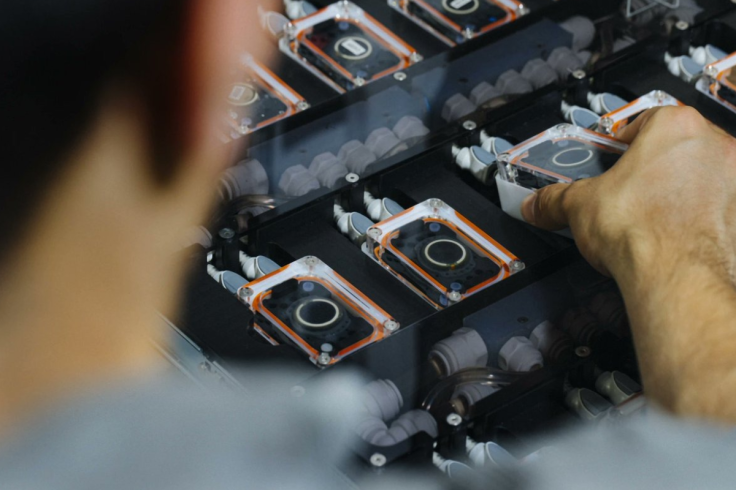
Neuralink says it has received US Food and Drug Administration (FDA) authorisation to begin a pivotal clinical trial of its brain implant in people with severe paralysis caused by amyotrophic lateral sclerosis (ALS).
The LINK Pivotal Study will examine whether the implant can safely help participants control computers and other digital devices using brain activity.
Neuralink announced the decision on 25 November. Recruitment is open, and the study is expected to expand across several US clinical sites.
How Neuralink's Brain Implant Works
The system uses the N1 Implant, a device surgically placed in the skull beneath the scalp, with fine electrode threads extending into the brain. It records activity in the motor cortex, the part of the brain that helps control movements such as reaching or moving a hand.
The implant contains very fine threads fitted with tiny sensors called electrodes. These pick up electrical signals produced by brain cells. Software then translates the signals into instructions a computer can understand.
This could let a participant move a cursor by imagining moving their hand, even if paralysis stops them from moving their arm. The computer responds to brain activity rather than physical movement.
Neuralink uses its R1 surgical robot to place the threads in the brain. The implant sends information wirelessly to a computer.
The company says people in earlier studies have used the system to move a cursor and click on a screen. They have also used it for messaging, internet browsing, coding and video games. More than 30 people have received implants in early studies across the US, Canada and the UK, according to Neuralink.
What the New Trial Will Test
The LINK study will examine how well participants can use the implant to control digital devices. Researchers will also monitor whether it remains safe and works reliably over time.
A pivotal trial is a definitive clinical investigation designed to gather evidence about a medical device's safety and effectiveness for its intended use. Its findings may help support a future regulatory application. The results may support a future application for wider regulatory approval, but do not guarantee it.
Neuralink's earlier PRIME programme was an early feasibility study. These smaller studies check early safety and whether a technology can be used in people. PRIME assessed the N1 Implant, R1 surgical robot and related software in people with paralysis.
What Is ALS?
ALS is a progressive disease that damages motor neurons, the nerve cells that carry messages from the brain and spinal cord to muscles. As these cells stop working, muscles become weaker and people can gradually lose the ability to move, speak and swallow.
In advanced stages, ALS can also affect the muscles needed for breathing. There is currently no cure, although treatment and supportive care can help manage symptoms.
For people with severe paralysis, a brain-computer interface could provide another way to communicate and use technology. It lets people send commands to devices without relying on muscle movement.
The LINK trial must establish whether Neuralink's system can provide reliable control while maintaining an acceptable level of safety. The FDA has authorised the company to study the implant, not approved it for routine treatment. Its benefits and risks will depend on the trial's findings.