
Olympic Gold Medalist Turned to OnlyFans To Fund Her 2026 Winter Olympics Return: 'It's a Bit Sad'
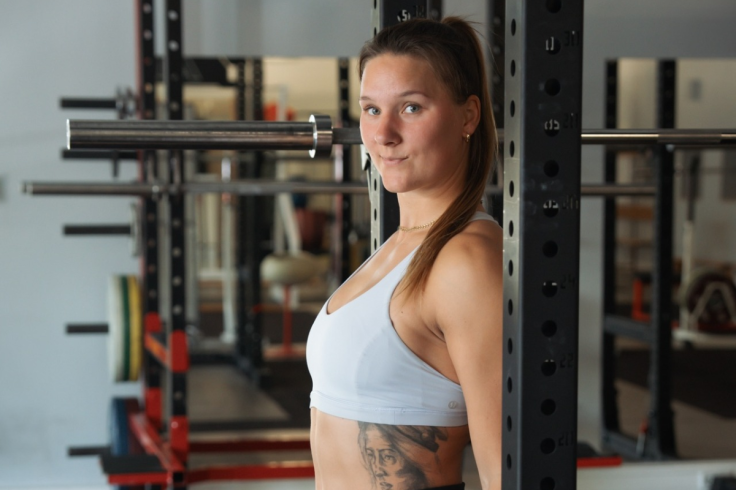
Lisa Buckwitz, Germany's 2018 Olympic gold medallist in women's bobsleigh, turned to an OnlyFans sponsorship deal to help cover the high costs of her return for the 2026 Winter Olympics in Milan-Cortina.
The 31-year-old pilot told German outlet Bild that conventional sponsors had not provided enough for a full season, which includes travel, equipment and bonuses for her pushers. She described the reality as 'a bit sad'.
Funding a Bobsleigh Season
A single bobsleigh season can cost around £45,145 ($59,000), covering flights, equipment, training camps and the bonuses paid to the athletes who push the sled at the start. B
uckwitz, who is also employed as a sports soldier by Germany's Bundeswehr, said the OnlyFans arrangement sits alongside her army salary as a sponsor. 'It's a stroke of luck for me, as it allows me to finance my team,' she told Bild. 'It's the best thing that could have happened to me.'
The partnership, announced on Instagram in November 2024, gives subscribers access to training footage, team dynamics and behind-the-scenes moments from her preparations for competition.
Subscriptions start around £19 ($25) a month, with three-month bundles listed from £46 ($60). Buckwitz has been clear she will post no naked pictures, sticking instead to content in a bikini or sports bra, material she has also shared on other platforms including Instagram.
OnlyFans Deal and Personal Boundaries
Buckwitz, born Lisa-Marie Buckwitz on 2 December 1994 in Berlin, began as a heptathlete before switching to bobsleigh in 2013. She won gold at the 2018 Pyeongchang Games as the pusher for pilot Mariama Jamanka, then moved into the pilot's seat after that unexpected success.
After finishing fourth at Beijing 2022 with Kim Kalicki, she claimed the two-woman world title in Winterberg in 2024. At the 2026 Games she took silver in the two-woman event with Neele Schuten and placed fourth in the monobob.
She has described the OnlyFans deal as 'something completely normal' and noted that the platform's sexual reputation 'is of course a topic'. In interviews she has stressed she draws a firm line at full nudity, she has also said she discussed the sponsorship arrangement with the Bundeswehr before proceeding.
On her X account she regularly posts about training camps, recovery days and the physical demands of the sport, underscoring the everyday costs that sponsorship must underwrite.
Olympic Results and the Wider Context
Buckwitz's path highlights the funding pressures in a sport that rarely attracts the commercial interest of more popular disciplines such as football or athletics. She has said: 'Sure, I'm an Olympic champion. But nobody's interested in Lisa Buckwitz just because of the gold medal. That's unfortunately the downside.'
Other Olympians have explored similar platforms for additional income, yet Buckwitz maintains her content remains focused on the work of elite sport rather than explicit material.
With the Milan-Cortina Games now complete, the silver medal marks a successful return made possible in part by the sponsorship she secured in late 2024. The arrangement continues to sit beside her military salary, covering the ongoing costs of a competitive season that traditional backers alone could not meet. It is hardly a surprise that some athletes look beyond conventional sponsors.
The Financial Toll on Elite Athletes
The cost of competing at an elite level extends far beyond travel and equipment. Athletes must also account for coaching, specialist training facilities, physiotherapy, rehabilitation, nutrition and recovery support.
In physically demanding sports such as bobsleigh, maintaining the strength and conditioning needed to compete can require consistent investment, even outside the competition season.
For athletes without substantial sponsorship or institutional funding, these expenses can create pressure to balance training with additional employment or seek alternative sources of income.
That financial uncertainty can also add to the psychological demands of professional sport, particularly when athletes are expected to maintain demanding training schedules while worrying about how to fund their next season.
Limited resources may make it harder to access consistent recovery and injury-prevention support, adding another challenge to an already physically demanding career.