
'Dark Magic' Mushrooms Found With Psychedelic and Deadly Toxins, Highlighting Mysterious Evolutionary Twist
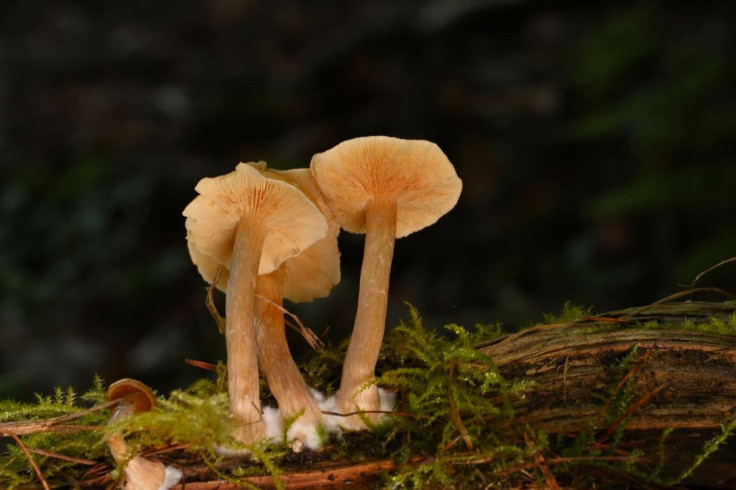
Scientists have identified a tiny Florida mushroom that produces both psychedelic psilocybin and potentially lethal amatoxins, a chemical combination never previously confirmed in a single fungal species. The mushroom, Galerina indica, has been nicknamed the 'dark magic mushroom' by researchers at the University of Florida. Their findings were published on 11 November in the peer-reviewed journal Current Biology.
Laboratory testing detected psilocybin, its related compound psilocin and two amatoxin compounds. One was identified as a previously undescribed variant, named alpha-proamanitin, while the structure of the second remains partly unresolved. The discovery raises questions about how the fungus acquired these substances and what purposes they serve.
How Florida Researchers Identified the Mushroom
Researcher Andrew Kunik collected specimens from wetland habitats in Florida, where the small brown fungi grew on decaying, moss-covered palm trunks. The largest measured approximately 5 millimetres in height, with caps around 2.5 millimetres across.
Some developed blue marks when handled, a feature associated with certain psilocybin-containing mushrooms. However, their appearance alone could not establish their chemical composition.
The team examined five Galerina specimens representing three distinct lineages from Florida and Mississippi. Chemical testing confirmed that the Florida G. indica samples contained both groups of compounds, while a different Galerina lineage contained psychedelic substances without detectable amatoxins.
Genome sequencing then identified the genes responsible for producing the chemicals. Kunik and colleagues used these results to check that the unexpected combination was genuine.
Amatoxins and the Risk of Liver Failure
Psilocybin can alter perception, mood and awareness, but amatoxins interfere with essential processes inside cells, particularly in the liver. According to the US Centers for Disease Control and Prevention (CDC), amatoxin poisoning may initially cause vomiting, diarrhoea and abdominal pain more than six hours after ingestion.
Patients can temporarily feel better even as liver damage progresses. Severe cases may lead to kidney injury, liver failure or the need for transplantation.
The researchers found that G. indica produces alpha-proamanitin rather than the better-studied toxin alpha-amanitin. Its different molecular structure may make it less potent, but that possibility does not establish that the mushroom is safe.
The study did not document human poisonings caused by this species or determine its toxicity in people. Researchers also warned that blue staining cannot reliably distinguish psychedelic mushrooms from dangerous ones.
Genetic Findings Reveal an Unresolved Evolutionary History
Genetic comparisons suggest that ancestors of G. indica already possessed the machinery for making amatoxins before gaining the ability to produce psilocybin. The latter genes appear to have arrived through horizontal gene transfer, in which genetic material moves between organisms rather than passing directly from parent to offspring.
Differences in gene arrangement and evolutionary relationships are consistent with at least two independent acquisitions of psilocybin-producing genes within the Galerina group, although further research is needed to clarify the precise evolutionary history.
Researchers have not established why the fungus retained both chemical systems. One possibility is that the substances discourage animals and other organisms from eating mushrooms, although this remains untested in G. indica.
Further experiments could investigate what happens when either production pathway is disabled. Additional sampling may also clarify when the genetic exchanges between mushrooms occurred and whether similar combinations exist in other fungi.