Ibuprofen Side Effects: When Should You Stop Taking This Widely Used Painkiller?
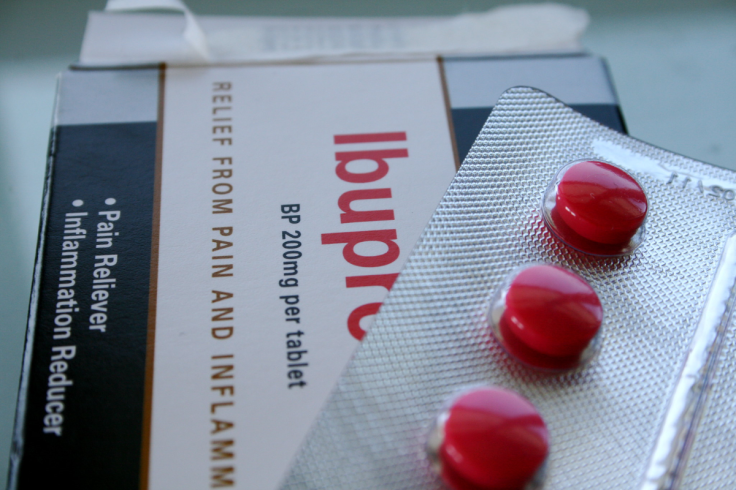
Ibuprofen is one of the most widely used painkillers in the UK. It is commonly taken for headaches, toothache, muscle strains, period pain, arthritis and fever, and many people buy it without a prescription.
Because it is available over the counter, ibuprofen is often seen as a low-risk medicine. However, doctors and pharmacists regularly warn that it can cause serious side effects if it is taken for too long, at high doses or by people with certain medical conditions.
Knowing when to stop taking ibuprofen and when to seek urgent medical help is essential.
How Ibuprofen Works
Ibuprofen belongs to a group of medicines called non-steroidal anti-inflammatory drugs (NSAIDs).
It works by reducing the body's inflammatory response, which helps relieve pain, swelling and fever.
'That's why it's commonly used for headaches, muscle aches, arthritis, sprains, dental pain, and many other everyday conditions,' said Dr Reshma Kapadia Patel, PharmD, founder of WiseMedRx.
She said ibuprofen is often effective for short-term problems such as muscle strains, sprains and dental pain, particularly when inflammation is contributing to the discomfort.
Common Side Effects
Many people experience only mild side effects, but these can still be uncomfortable.
The most common include:
- Stomach upset
- Heartburn
- Acid reflux
- Nausea
- Indigestion
- Dizziness
Dr Patel said patients are often unaware that ibuprofen can irritate the stomach lining.
'One of the most common things I see in practice is patients being prescribed high-dose ibuprofen after surgery or an injury without being told to take it with food,' she said. 'A few days later they're experiencing significant heartburn or stomach pain and don't realise the medication is the likely cause.'
Taking ibuprofen with food or milk may reduce stomach irritation, although it does not eliminate the risk.
When Should You Stop Taking Ibuprofen Immediately?

Certain symptoms can indicate a serious complication and require urgent medical attention.
Dr Patel said people should stop taking ibuprofen and seek help straight away if they develop:
- Black, tarry stools
- Vomiting blood
- Vomit that looks like coffee grounds
- Severe stomach pain
- Chest pain
- Difficulty breathing
- Swelling of the face, lips or throat
- A significant decrease in urination
'These symptoms could signal stomach bleeding, an allergic reaction, heart complications, or kidney injury and shouldn't be ignored,' she said.
Call emergency services if breathing difficulty, chest pain or facial swelling occurs.
Signs of Stomach Bleeding
One of the most serious risks associated with ibuprofen is bleeding from the stomach or intestines.
Warning signs include:
- Black or tar-like stools
- Vomiting blood
- Vomit that resembles coffee grounds
- Severe abdominal pain
- Unexplained weakness or fainting
Gastrointestinal bleeding can occur even in people who have previously taken ibuprofen without problems.
Kidney Problems: An Often Overlooked Risk
Ibuprofen can reduce blood flow to the kidneys, particularly in people who are dehydrated or already have kidney disease.
Possible signs include:
- Passing much less urine than usual
- Swelling in the legs or ankles
- Unusual tiredness
- Shortness of breath
Older adults are especially vulnerable.
'Older adults are one of the groups I worry about most because they're often taking multiple medications and may already have kidney disease, high blood pressure, heart disease, or a history of stomach ulcers,' Dr Patel said.
Heart and Blood Pressure Risks
NSAIDs can raise blood pressure and may increase the risk of heart problems in some people, especially when used regularly or at high doses.
Seek urgent medical advice if you develop:
- Chest pain
- Sudden shortness of breath
- Weakness on one side of the body
- Slurred speech
People with heart disease or uncontrolled high blood pressure should speak to a healthcare professional before using ibuprofen.
Important Drug Interactions
Ibuprofen can interact with several commonly prescribed medicines.
Dr Patel highlighted important examples:
- Blood thinners such as warfarin or apixaban, which increase bleeding risk
- Steroids, which further increase the risk of stomach ulcers and bleeding
- Blood pressure medicines, whose effect may be reduced
- Diuretics, which can increase the risk of kidney problems
She recommends reviewing all medicines, including over-the-counter products, with a pharmacist or doctor before starting ibuprofen.
Pregnancy, Breastfeeding and Children
Ibuprofen is generally avoided during pregnancy, especially after 20 weeks and particularly in the third trimester because it may affect the baby's circulation and kidney development.
Small amounts pass into breast milk, and short-term use is usually considered compatible with breastfeeding, but medical advice is recommended.
In children, ibuprofen can be safe when given in the correct dose based on weight, using an appropriate measuring device.
How Long Is It Safe to Take Ibuprofen?
For most adults, ibuprofen should be used for short-term relief.
Dr Patel advised seeking medical advice if:
- Pain lasts more than 10 days
- Fever lasts more than 3 days
'Persistent pain is your body's way of telling you that it may be time to look for the underlying cause rather than simply continuing the medication,' she said.
Long-term daily use should not continue without medical supervision.
More Is Not Better
Taking extra ibuprofen rarely provides substantially better pain relief, but it does increase the risk of serious side effects.
Dr Patel warned that exceeding the recommended dose can increase the risk of:
- Stomach bleeding
- Kidney injury
- Raised blood pressure
- Heart complications
'More is not better,' she said.
Always follow the instructions on the packet unless a healthcare professional has advised otherwise.
Who Should Speak to a Doctor Before Taking Ibuprofen?

Check with a healthcare professional if you:
- Are over 65
- Have kidney disease
- Have a history of stomach ulcers or bleeding
- Have heart disease
- Have uncontrolled high blood pressure
- Have asthma triggered by NSAIDs
- Are pregnant
- Take multiple prescription medicines
Dr Patel said she would rather answer questions before someone starts ibuprofen than help manage a preventable complication later.
Safer Alternatives
If ibuprofen is unsuitable, alternatives may include:
- Paracetamol for some types of pain
- Topical anti-inflammatory gels such as diclofenac
- Lidocaine patches
- Heat or ice
- Physiotherapy
- Stretching and exercise
- Treatment of the underlying cause
The Bottom Line
Ibuprofen is an effective medicine for pain, inflammation and fever, but it should not be treated as harmless simply because it is sold without a prescription.
Stop taking ibuprofen and seek urgent medical help if you develop black stools, vomiting blood, severe stomach pain, chest pain, breathing difficulties, facial swelling or a marked reduction in urination.
For most people, ibuprofen is best used at the lowest effective dose for the shortest possible time. If pain persists beyond a few days, the safest next step is to seek medical advice rather than continuing to increase the dose.