Feeling Drained, Struggling to Concentrate? These Hidden Signs Could Be Pointing to Iron Deficiency

Feeling constantly tired, struggling to concentrate, or noticing more hair shedding than usual can be easy to dismiss as stress, poor sleep, or simply a busy lifestyle.
However, these symptoms may sometimes be linked to iron deficiency, which is a common nutritional problem that affects women disproportionately.
Iron plays an essential role in producing haemoglobin, a protein in red blood cells responsible for carrying oxygen around the body. When iron levels fall, the body may struggle to deliver enough oxygen to tissues, potentially affecting energy, concentration, physical performance and overall wellbeing.
Importantly, iron deficiency does not always mean someone has anaemia.
Lavanya Kethamukkala, Registered Dietitian Nutritionist and founder of Nourishing Expert, explains that the two conditions occur at different stages.
'Iron deficiency = depletion of the body's iron stores. Iron-deficiency anaemia develops later, when iron levels become too low to produce enough haemoglobin to carry oxygen efficiently,' she says.
This means women can experience symptoms before anaemia develops, making early recognition and testing important.
What Are The Symptoms Of Iron Deficiency In Women?
Iron deficiency symptoms often develop gradually, meaning many women may not realise something is wrong.
Common signs include:
- Persistent tiredness or low energy
- Weakness
- Brain fog and difficulty concentrating
- Dizziness
- Headaches
- Shortness of breath, especially during exercise
- Reduced exercise tolerance
- Feeling unusually cold
- Pale skin
- Heart palpitations
- Brittle nails
- Hair thinning or increased shedding
- Restless legs
- Craving non-food items such as ice (known as pica)
'When your body lacks iron, every cell feels the impact because oxygen delivery becomes less efficient,' Kethamukkala says.
Many of these symptoms can be mistaken for everyday fatigue, stress, or lack of sleep. However, persistent symptoms that interfere with daily life should be assessed by a healthcare professional.
Why Are Women More Likely To Develop Iron Deficiency?
Women are at greater risk of iron deficiency because of factors such as menstruation, pregnancy and childbirth.
Heavy periods
For women of reproductive age, heavy menstrual bleeding is one of the most common causes of iron depletion.
Every month, blood loss through menstruation also means loss of iron. Over time, women with particularly heavy or prolonged periods may struggle to replace those stores through diet alone.
Pregnancy and breastfeeding
Iron requirements increase significantly during pregnancy because the body needs to support increased blood volume and the developing baby.
Postpartum blood loss can also contribute to reduced iron levels.
Diet and absorption issues
Dietary intake plays an important role, particularly for women who consume limited sources of iron.
Women following vegetarian or vegan diets can maintain healthy iron levels, but careful planning is needed because plant-based sources contain non-haem iron, which is absorbed less efficiently than the haem iron found in animal products.
Iron absorption can be improved by combining plant sources with vitamin C-rich foods, such as citrus fruits, peppers and broccoli.
Digestive conditions can also affect absorption, including:
- Coeliac disease
- Inflammatory bowel disease
- Chronic gastritis
- Previous bariatric surgery
Certain medications, including long-term acid-suppressing treatments, may also reduce iron absorption.
Can Iron Deficiency Cause Hair Loss?
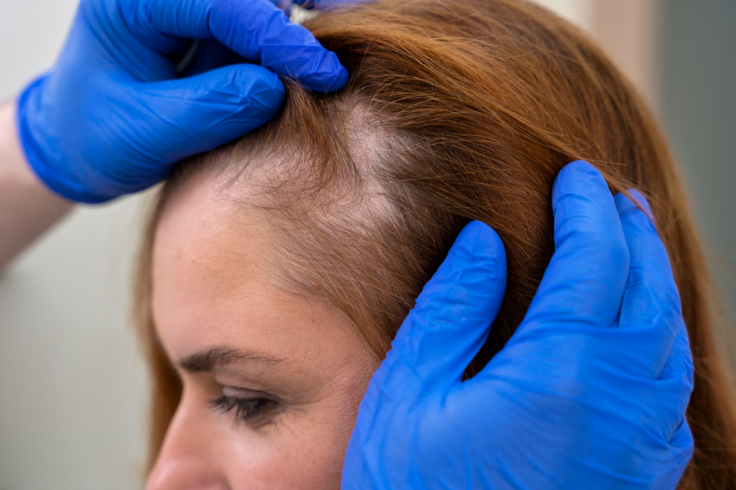
Hair thinning is one symptom that some women overlook.
Keith Kantor, PhD, ND, Trichologist and Clinical Director at Regen Therapeutics, says iron deficiency should be considered when women experience unexplained diffuse hair shedding.
'Hair follicles are among the most metabolically active structures in the body. They require oxygen, nutrients, and adequate iron to support rapid cell division during the growth phase,' he explains.
When iron stores decline, the body prioritises essential organs over hair production. As a result, more hair follicles may enter the resting phase, leading to increased shedding.
Women may notice more hair falling out while brushing, washing, or styling their hair.
Kantor adds that normal blood results do not always rule out iron-related hair concerns.
'A normal haemoglobin level does not necessarily mean iron stores are adequate. Ferritin, which reflects iron storage, often provides a more complete picture,' he says.
What Causes Iron Deficiency?
Iron deficiency usually develops when the body loses iron faster than it can replace it.
Common causes include:
- Heavy menstrual bleeding
- Pregnancy
- Childbirth-related blood loss
- Low dietary iron intake
- Poor absorption of iron
- Gastrointestinal bleeding
- Frequent blood donation
- Endurance exercise
In postmenopausal women, unexplained iron deficiency may require further investigation, as it can sometimes indicate hidden gastrointestinal blood loss or another underlying condition.
Who Should Consider Getting Tested?
Women who may benefit from discussing iron testing with their GP include those experiencing:
- Ongoing fatigue
- Heavy or irregular periods
- Hair thinning
- Dizziness
- Shortness of breath
- Reduced exercise performance
- Persistent brain fog
Higher-risk groups include:
- Women with heavy menstrual bleeding
- Pregnant and postpartum women
- Adolescents
- Endurance athletes
- Frequent blood donors
- Women with digestive disorders
- Those following restrictive diets
'Don't wait until symptoms become severe,' Kethamukkala says. 'If fatigue is interfering with your daily life, it's worth asking whether iron could be part of the story.'
How Is Iron Deficiency Diagnosed?
Iron deficiency cannot be confirmed through symptoms alone.
Doctors usually assess iron status using blood tests, which may include:
- Full blood count (FBC)
- Haemoglobin levels
- Ferritin levels
- Serum iron
- Transferrin saturation
- Total iron-binding capacity
Ferritin measures the body's iron stores and may decline before haemoglobin levels become abnormal.
However, ferritin levels can sometimes be affected by inflammation, so results need to be interpreted alongside symptoms and medical history.
How Is Iron Deficiency Treated?
Treatment depends on the cause and severity of the deficiency.
Approaches may include:
Eating more iron-rich foods
Good sources include:
- Lean red meat
- Poultry
- Seafood
- Beans and lentils
- Spinach
- Iron-fortified cereals
- Nuts and seeds
Pairing iron-containing foods with vitamin C can improve absorption.
Iron supplements
Oral iron supplements are commonly used to restore iron levels but may cause side effects such as constipation, nausea or stomach discomfort.
Supplements should only be taken when medically recommended, as unnecessary iron intake can be harmful.
Intravenous iron
For people with severe deficiency, poor absorption, or difficulty tolerating oral supplements, intravenous iron may be considered.
However, treating the underlying cause remains essential.
'Treating low iron without identifying the cause is only addressing half the problem,' Kethamukkala says.
What Happens If Iron Deficiency Is Left Untreated?
Without treatment, iron deficiency can progress to iron-deficiency anaemia and affect everyday functioning.
Potential effects include:
- Worsening fatigue
- Reduced concentration
- Lower exercise performance
- Reduced productivity
- Increased health risks during pregnancy
Hair loss may also continue if low iron stores are contributing to shedding.
Key Takeaways
Iron deficiency is common among women but is not something that should be dismissed as normal tiredness or part of a busy lifestyle.
Symptoms such as fatigue, brain fog, reduced stamina and hair thinning may be early signs that iron stores are running low.
Testing can help identify the problem, while treatment should focus not only on restoring iron levels but also addressing why the deficiency developed in the first place.
Recognising the warning signs early can help women improve their energy, wellbeing and long-term health.