
London Single Mum, 39, Says Mouldy Flat Worsened Her Asthma After a Decade of Complaints
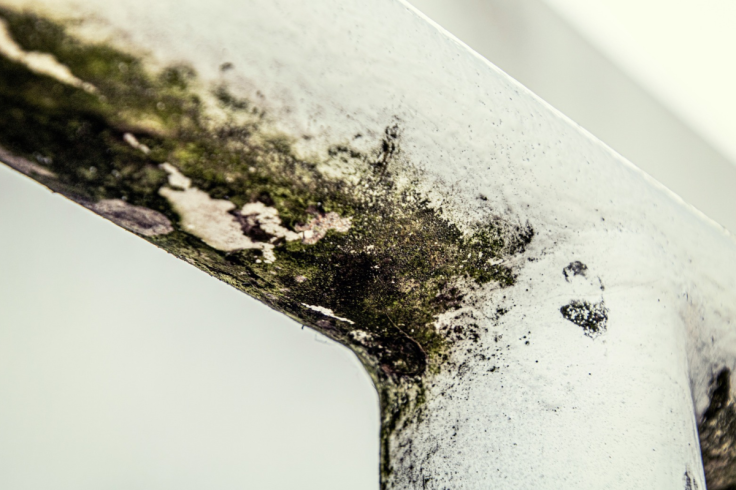
A London single mother says more than a decade of damp and mould in her home has worsened her asthma and affected her family's wellbeing.
Khadija Khan, 39, said the problems began shortly after she moved into her Ravenscourt Park flat in 2014. She has since been temporarily rehoused with her two sons while repairs are carried out.
Khan said the damp was visible and the smell lingered on clothes and bedding. Her concerns continued despite repeated visits from contractors and surveyors, My London reports.
A surveyor's report from July 2026 recorded 'penetrating damp' and identified a 'significant hazard' in the bathroom. It also warned that mould could be harmful or present across several rooms, including bedrooms.
Her GP surgery has also raised concerns about the possible health effects. A January 2026 letter said the conditions may have contributed to worsening respiratory symptoms and asthma attacks.
How Damp and Mould Can Affect Asthma
Damp and mould can affect the respiratory system because people may breathe in mould spores and other substances released into the air.
The UK Government's health guidance says damp and mould can cause coughing, wheezing and breathlessness. Exposure can also worsen asthma and other respiratory conditions.
People with existing asthma, allergies or other lung conditions may face greater risks. However, exposure does not cause symptoms in everyone, and individual reactions can vary.
The US Centers for Disease Control and Prevention also lists a stuffy nose, sore throat, coughing, wheezing, burning eyes and skin rashes among possible effects. People with asthma or mould allergies can experience more severe reactions.
Mould grows in damp conditions, often around leaks, windows, bathrooms and water-damaged materials. It can appear in different colours.
Long-Term Damp Exposure Can Affect Mental Wellbeing
The impact of living in a mouldy home may extend beyond physical symptoms. Government guidance published in England also recognises possible mental health effects linked to damp and mould.
These can include anxiety about illness, frustration over delayed repairs and social isolation. Some residents may also feel uncomfortable inviting visitors into their homes.
Khan said the conditions had made her reluctant to welcome guests. She also raised concerns about her sons' wellbeing after the family moved into temporary accommodation.
She said the boys became fearful around unfamiliar people and visitors. Their experience highlights the wider disruption that prolonged housing problems and temporary relocation can create for families.
Housing Provider Says Repairs Have Been Completed
Khan said Notting Hill Genesis had previously made two compensation payments. However, she said resolving the underlying damp problem mattered more than receiving money.
The family stayed at a Travelodge in Chiswick from May 2026 before moving to other temporary accommodation between Hammersmith and Shepherd's Bush.
Notting Hill Genesis acknowledged that its previous response to the damp and mould problems fell below its expected standards. The housing provider said repair work had been completed and arranged temporary accommodation while the family waited.
Its spokesperson said the property's final inspection was still pending. The organisation's Head of Housing also met Khan and a surveyor on 23 November to inspect the flat.
Khan said she wanted the root cause addressed before returning home. She questioned whether earlier work had properly resolved the defects.