
15 Pregnant Women Miscarry After Tear Gas Exposure as 10,000 Women Report Health Problems in France
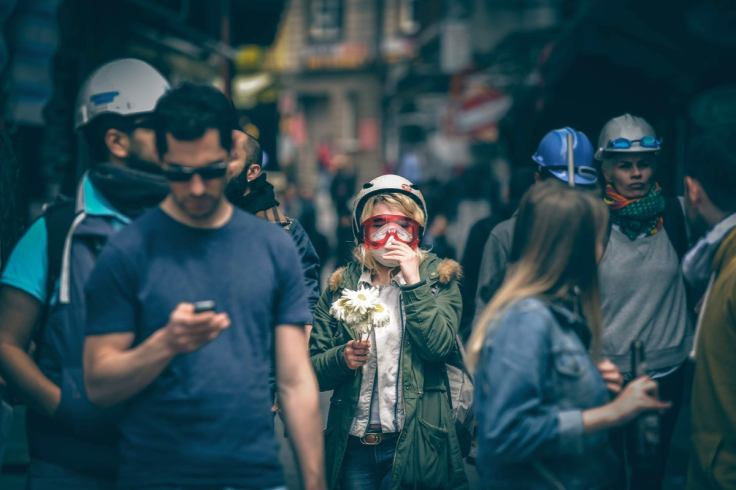
Nearly 10,000 women in France have submitted testimonies describing health problems after tear gas exposure, including 15 reported pregnancy losses among 47 respondents who said they were pregnant and had been exposed. The accounts were presented to the National Assembly on 17 November.
The testimonies were collected by Lacrymos De Sang, a group formed amid school pupil protests and wider unrest. It gathered responses between 8 and 31 October through questionnaires distributed at demonstrations and online.
The group said nine in 10 respondents reported gynaecological problems, including menstrual disruption, heavy bleeding and pelvic pain.
A total of 53 pregnant women completed the questionnaire. Of the 47 who reported tear gas exposure, 15 said they had lost their pregnancies, equivalent to 32 per cent. The group said this was roughly twice the miscarriage rate in the general population.
The questionnaire was voluntary and was not a scientific study. Its findings cannot establish that tear gas caused the reported pregnancy losses, and people who experienced symptoms may have been more likely to respond.
What Women Reported After Tear Gas Exposure
Some respondents gave accounts under changed names. Emilie said she was walking her dog when tear gas reached her face. 'I vomited a lot and bled all over myself,' she said. 'I lost my baby after seven months.' Maëva, 20, described periods '10 times more painful than usual.' Camille reported sharp pain and heavy bleeding two days after her period ended.
The accounts were collected through a voluntary questionnaire rather than a controlled study. The findings cannot establish whether tear gas caused the symptoms, and women who experienced health problems may have been more likely to respond.
The French Interior Ministry told Le Monde that tear gas grenades contain mainly CS, or 2-chlorobenzylidene malononitrile, which it described as 'a chemical riot control agent with low toxicity' that causes temporary irritation. The ministry did not specify the dosage or the solvents used to disperse the chemical.
The ministry also said studies of security personnel conducted between 2021 and 2022 found no breaches of occupational exposure limits. Those studies concerned security staff rather than the wider public.
Interior Minister Laurent Nuñez told a parliamentary inquiry that police fired around 22,000 tear gas grenades on 17 October. The figure compares with 7,940 grenades fired during the Yellow Vest protests on 1 December 2018, according to figures cited in the reporting.
Why Researchers Want More Evidence on Tear Gas Exposure
Solenne Rougeux, a doctoral student in neuroendocrinology and member of Lacrymos De Sang, said CS gas activates TRPA1 channels in the respiratory tract and cornea. The same channels are present in reproductive tissues, she said, but it has not been established whether CS activates them there.
Rougeux said CS breaks down in the body into cyanide and then thiocyanate, which can interfere with thyroid hormone production. She also said exposure could continue after a police operation if the chemical remained on clothing.
Lacrymos De Sang founder Eva-Luna Tholance called for the government to suspend tear gas use while independent studies are conducted. Green Senator Anne Souyris said there was an 'urgent need for in-depth research on the effects of endocrine disruptors.'
On 10 November, consumer group CLCV asked France's Agency for Food, Environmental and Occupational Health and Safety, ANSES, to assess potential effects on fertility, pregnancy and child development. ANSES told Le Monde it was considering whether the request was admissible.
The issue was raised in 2020, when a public health and environmental alerts commission recommended an independent assessment of CS gas risks. The Interior Ministry's office rejected the request, saying the aerosols complied with specifications intended to ensure 'almost total harmlessness.'
ANSES is still reviewing the latest request.