
Mum Catches Neighbour Stealing Her Used Post-Birth Sanitary Pads From Bin in Bizarre Harassment Case
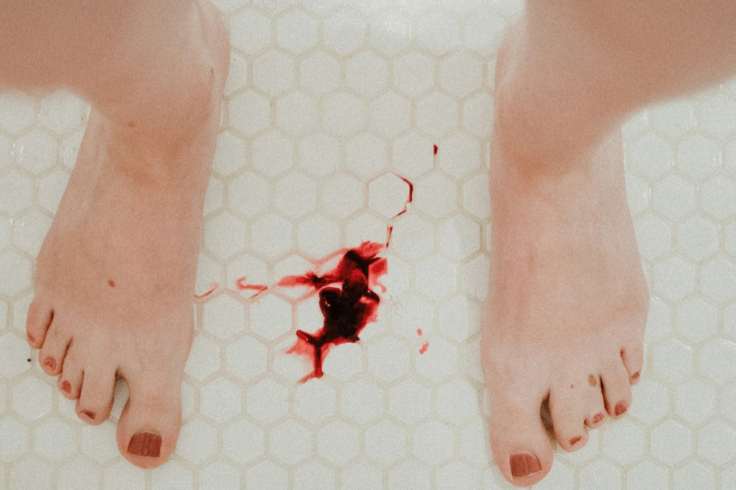
A mother was left frightened after discovering that her neighbour had taken a bag containing her used post-birth sanitary pads and her newborn daughter's nappies from her rubbish bin, in a case that later led to a harassment conviction.
Michelle, then 22 and seven months pregnant, moved to Hardy Street in Warrington. Another resident warned her about neighbour Ernest O'Neill, and she later installed a camera after seeing a man looking through her kitchen window.
The situation became more disturbing after she gave birth and returned home from hospital. Michelle said she placed used maternity pads and her baby's nappies in a sealed yellow bag before putting it in the bin.
A few days later, footage showed O'Neill approaching the bin and taking the bag. Michelle said the discovery made her feel that her privacy had been invaded. O'Neill reportedly told police he had removed it because the bins were overflowing and that he was trying to be a good neighbour.
Michelle also described loud music, gestures towards her camera and threats. She said she became anxious and began having nightmares.
O'Neill admitted harassment and received a 12-month community order. He was fined £120 and ordered to pay £199 in costs and victim surcharge. A two-year restraining order prohibited him from approaching Michelle. She later said it was breached and the council advised her to move.
Why Post-Birth Bleeding Requires Extra Care
The pads in Michelle's bin were used after childbirth, when women commonly experience lochia — vaginal bleeding and discharge as the uterus sheds blood, mucus and tissue from the uterine lining during recovery. It is normal and can continue for several weeks.
The NHS says bleeding is often heavier at first, then becomes lighter and changes colour. It usually settles within six to eight weeks, although the duration varies between women.
NICE recommends good perineal hygiene after childbirth, including daily washing of the perineal area, frequent sanitary pad changes and handwashing before and after changing pads.
How To Dispose Of Used Maternity Pads
Used sanitary products should be wrapped securely and placed in a rubbish bin, rather than flushed down the toilet. A lidded bin can help contain waste.
Handling a used pad does not automatically expose someone to infection, and there is no report that Michelle or her baby became ill. Used products can contain blood and bodily fluids, so wrapping them securely, avoiding unnecessary direct contact and washing hands afterwards are sensible hygiene precautions.
Warning Signs After Giving Birth
Although lochia is expected, changes in bleeding can sometimes signal a complication. NICE advises women to seek medical advice if bleeding suddenly becomes very heavy, increases instead of easing, or is accompanied by clots, fever, shivering, pelvic or abdominal pain, or discharge with an unpleasant smell.
Women should seek medical advice if bleeding increases or does not lessen, or if they develop a fever, shivering, worsening abdominal or pelvic pain, or foul-smelling discharge. Sudden or very heavy bleeding accompanied by dizziness or faintness requires emergency medical attention.
Privacy And Safety During Postpartum Recovery
Michelle's account highlights the importance of feeling safe at home during the weeks after childbirth. New parents are also coping with physical recovery and caring for a newborn.
Postpartum bleeding is normal, and used maternity pads are household waste when wrapped and discarded appropriately. The reported theft does not establish a health hazard; Michelle said the behaviour left her distressed and unsafe.