
Woman Says Halloween Horror Attraction Simulated Sexual Assault, How Such Experiences Can Trigger Trauma
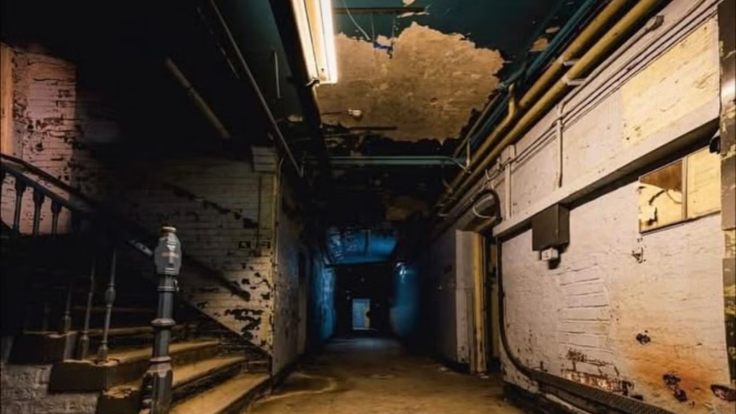
A woman has spoken out after an adults-only Halloween attraction in Liverpool allegedly subjected her and her friends to sexually explicit simulations and unwanted physical contact, raising questions about consent, psychological safety and the potential impact on people with a history of trauma.
Robyn Doughty, 33, said her visit to the Hellfire Club at Newsham Scream Park on 15 October was far more disturbing than the frightening but lighthearted experience she had expected. In an interview with Tyla published on 26 October, the Liverpool tattoo artist described the attraction as a simulation of sexual assault, degradation and violation.
Doughty alleged that performers used misogynistic language and engaged in sexualised interactions with visitors. She said a friend left the attraction in tears and questioned whether guests had been given sufficiently explicit warnings about what they might encounter.
The park has defended its safety procedures, saying its terms and conditions outline the attraction's adult and horror themes, physical interactions and sensory effects. Merseyside Police confirmed that officers were aware of the allegations and that further enquiries were ongoing.
Beyond the dispute, the incident has drawn attention to how unexpected sexual content and unwanted physical contact may affect people with previous traumatic experiences.
What Happened at the Halloween Attraction?
The Hellfire Club is an optional, adults-only immersive horror experience at Newsham Scream Park. According to Doughty, she and her friends expected an intense scare attraction but were unprepared for the graphic sexual content they allegedly encountered.
She described scenes involving sexualised physical contact, blindfolds and performers using degrading language. Doughty also questioned whether the waiver presented before entry adequately communicated the nature of the experience, despite acknowledging that the group had only briefly reviewed it.
A portion of the waiver reportedly stated that the experience did not involve sexual activity. Doughty argued that visitors needed clearer warnings about the specific content and physical interactions involved before deciding whether to participate.
Newsham Scream Park said the Hellfire Club is clearly identified as an 18-plus attraction and requires guests to complete a digital waiver. Its representative said the terms and conditions explain the adult and horror themes, physical interaction and sensory effects, while warning that some elements may cause distress.
The park also said guests can end their participation at any time using a designated safe word and that its CCTV system is monitored. It added that guests who decide the experience is unsuitable after reading the terms can decline entry and receive a refund.
Merseyside Police told Tyla that officers had contacted a woman following allegations about an incident on 15 October and were continuing enquiries to establish the circumstances. The allegations have not been established as criminal wrongdoing.
How Unexpected Experiences Can Trigger Trauma
Trauma-related triggers are reminders that prompt distressing memories, emotions or physical reactions associated with a previous traumatic experience. According to RAINN, triggers can include sounds, images, locations, physical sensations and unwanted touch.
For someone who has experienced sexual assault or abuse, a scene involving sexualised contact, humiliation or a loss of control may evoke memories or feelings connected to the earlier experience. Reactions vary considerably: one person may feel anxious or frightened, while another may experience intrusive memories, emotional numbness or a strong urge to leave.
The NHS explains that post-traumatic stress disorder (PTSD) can involve flashbacks, nightmares, avoidance of reminders and heightened alertness. However, experiencing distress after an upsetting event does not automatically mean someone has PTSD. A diagnosis depends on the broader pattern of symptoms, their duration and their impact on daily life.
It is also important not to assume that everyone with a history of trauma will respond in the same way. A person may find a particular attraction manageable, while another may find the same experience overwhelming. That variation makes clear information and meaningful choices especially important when entertainment involves simulated threats or physical contact.
Why Consent and Clear Warnings Matter
Consent is not simply a matter of purchasing a ticket or agreeing to general terms. In England and Wales, the Crown Prosecution Service explains that consent involves agreement by choice, with the freedom and capacity to make that choice. People must understand what they are agreeing to, and consent can be withdrawn.
An immersive horror attraction is not equivalent to a real-world sexual assault, and its context matters. However, the distinction does not remove the need for clear boundaries when performers interact physically with visitors.
Specific advance warnings can help people decide whether an experience is right for them. Broad descriptions such as 'adult content' or 'physical interaction' may not communicate the nature or intensity of particular scenes to every potential visitor.
A safer approach includes explaining potentially distressing content before entry, obtaining informed agreement to physical interactions, providing an accessible way to stop participation and ensuring staff can respond promptly when someone becomes uncomfortable.
These measures also help visitors distinguish between consensual theatrical fright and interactions they did not knowingly agree to experience.
What Trauma Survivors Can Do After a Distressing Experience
People who feel unsettled after an unexpected or frightening experience may benefit from stepping away from reminders, spending time with someone they trust and allowing themselves to process what happened without pressure to explain their reaction immediately.
Early responses to distressing events can include anxiety, sleep difficulties, intrusive thoughts, irritability and feeling emotionally overwhelmed. Such reactions may ease over time, but persistent symptoms that interfere with daily life warrant professional support.
Anyone experiencing ongoing flashbacks, nightmares, avoidance or heightened fear can speak with a GP or mental health professional about available help. PTSD is treatable, and support may include trauma-focused psychological therapies.
Friends and family can also help by listening without judgement, respecting a person's boundaries and avoiding assumptions about how they should have reacted.
Why Psychological Safety Matters in Entertainment
Doughty's account has prompted broader questions about how immersive attractions communicate risks and protect visitors when fear, sensory overload and physical interaction are part of the experience.
The investigation into the allegations remains ongoing, and the park maintains that its terms and conditions explain what guests can expect. Nevertheless, the controversy highlights an important distinction between surprising visitors with a scare and leaving them unprepared for potentially distressing sexual content.
Clear warnings, meaningful consent and accessible ways to stop an experience can help people make informed decisions about their participation. For those with a history of trauma, those safeguards may be particularly important in deciding whether an attraction feels safe enough to enter.