
FDA Upgrades Blood Pressure Drug Recall, as Faulty Pills May Affect How Well Treatment Works
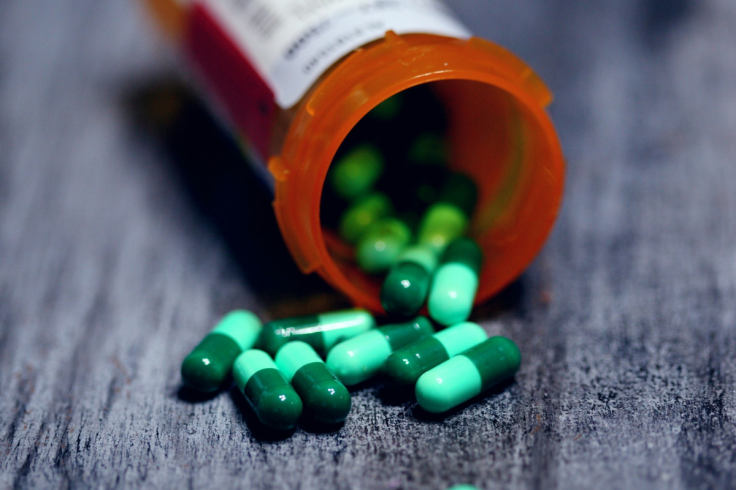
Thousands of bottles of a combination blood pressure medication have been recalled across the United States after the tablets failed quality testing, prompting the US Food and Drug Administration (FDA) to classify the issue as a Class II recall.
The recall affects 3,744 bottles of olmesartan medoxomil, amlodipine and hydrochlorothiazide tablets recalled by Macleods Pharma USA. The company first initiated the voluntary recall on 7 October 2026 after the medication failed dissolution specifications. The FDA assigned it a Class II classification on 26 October.
The FDA defines a Class II recall as one in which exposure to the affected product may cause temporary or medically reversible adverse health consequences, or where the likelihood of serious harm is considered remote.
The Recall Affects Two Specific Lots of Blood Pressure Medication
The affected product contains three active ingredients: olmesartan medoxomil, amlodipine and hydrochlorothiazide. The combination is prescribed to treat hypertension, or persistently high blood pressure.
According to the FDA enforcement report, the recall covers two specific lots of the 40 mg/10 mg/12.5 mg tablets. These include 3,528 bottles containing 30 tablets, identified by lot number 12251163A and National Drug Code (NDC) 33342-246-07, and 216 bottles containing 90 tablets, identified by lot number 12251163B and NDC 33342-246-10.
Both lots have an expiration date of 31 May 2027 and were distributed nationwide. The recall does not mean that every medication containing these three ingredients is affected. Patients should check the manufacturer, lot number and NDC on their packaging rather than relying on the drug name alone.
The same three-drug combination is marketed under the brand name Tribenzor. However, the recall specifically concerns the two generic lots distributed by Macleods Pharma USA and does not include the brand-name product.
Failed Dissolution Testing Prompted the FDA Classification
The tablets failed dissolution specifications, a quality test that measures how quickly and how much of a medicine's active ingredient is released from the dosage form under controlled conditions.
For an oral medication to work as intended, its active ingredients must be released in a way that allows the body to absorb them. If a tablet does not dissolve according to its required specifications, the amount of medicine available for absorption may be affected.
In this case, the failed testing raises concerns that the affected tablets may not release their active ingredients at the expected rate, potentially reducing their effectiveness in controlling blood pressure.
The Three Ingredients Lower Blood Pressure Through Different Mechanisms
The medication combines three drugs that lower blood pressure through different mechanisms.
Olmesartan is an angiotensin II receptor blocker (ARB). It prevents angiotensin II, a substance that narrows blood vessels, from exerting its usual effects. This helps blood vessels relax and reduces pressure within them.
Amlodipine is a calcium channel blocker that relaxes the muscles in blood vessel walls, allowing blood to flow more easily. Hydrochlorothiazide is a thiazide diuretic, sometimes called a water pill, which helps the body remove excess salt and water through urine.
Together, the three medicines help reduce the workload on the heart and maintain blood pressure control. When hypertension remains uncontrolled, it can damage blood vessels and increase the risk of heart disease, heart attack, stroke and kidney disease.
A problem with how a tablet releases its active ingredients does not automatically mean that a patient will develop these complications. However, inconsistent delivery of blood pressure medication could make it harder to maintain the intended treatment effect.
Patients Should Check Their Medication Before Making Treatment Changes
Patients who take the combination should check whether their prescription matches the affected manufacturer, strength, NDC and lot numbers. Those who are unsure can ask their pharmacist to help identify the product and determine whether it is included in the recall.
Anyone who finds a matching bottle should contact their pharmacist or prescribing healthcare professional for advice on the appropriate next steps. Patients should not stop or change prescribed blood pressure treatment on their own, as interrupting medication can leave hypertension inadequately controlled.
People who have concerns about their blood pressure or experience unusual symptoms should seek medical advice. Regular monitoring and consistent treatment remain important because hypertension often causes no noticeable symptoms, even when it is damaging the body.
The recall is limited to specific batches, but it highlights why medication quality matters beyond whether a tablet contains the correct ingredients. A medicine must also meet performance standards to deliver those ingredients as intended.