
Mother Gets Seven Life Terms for Enabling Husband's Sexual Abuse of Daughter, 11, Who Gave Birth Without Medical Care
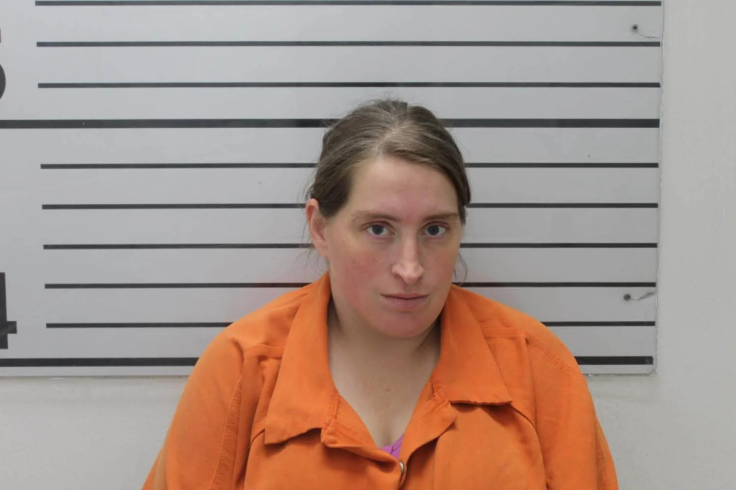
An Oklahoma mother has been sentenced to seven consecutive life terms after a jury found her guilty of enabling her husband's sexual abuse of her 11-year-old daughter and neglecting the children in her care.
Cherie Walker, 34, received the sentences on 30 October in Muskogee County, Oklahoma, following her convictions on one count of enabling child sexual abuse and six counts of child neglect. The sentences will run consecutively, meaning they will be served one after another.
The case came to light in August 2025, when the girl gave birth at the family's home without having received prenatal care or medical assistance during labour. DNA testing later established that Walker's husband, Dustin Walker, was the baby's father.
The case has also drawn attention to the serious health risks associated with pregnancy at an extremely young age, particularly when a child is denied access to medical care.
Girl Was Taken to Hospital After Giving Birth at Home
The child was 11 when she delivered the baby at the family's Muskogee County property on 16 August 2025. According to reports citing court documents, she was approximately 36 weeks pregnant and had not received prenatal care.
Emergency responders were called after the birth. The girl was reportedly haemorrhaging when they arrived and was taken to hospital by ambulance. Medical personnel cut the umbilical cord before transporting her for treatment.
Investigators also discovered that the child had not seen a doctor for more than a year. The family home reportedly had no running water, while court records described poor living conditions affecting the six children in the household.
Both Cherie and Dustin Walker initially claimed they had not known the girl was pregnant. However, DNA testing identified Dustin as the baby's father with 99.9% certainty, leading prosecutors to pursue sexual abuse charges.
Prosecutors argued that Cherie knew her husband was abusing her daughter but failed to intervene or obtain medical care for the child.
Pregnancy at 11 Carries Serious Health Risks
Pregnancy and childbirth can pose significant health risks for adolescents, with younger girls facing particular vulnerabilities.
The World Health Organization (WHO) says mothers aged 10 to 19 face higher risks of eclampsia, puerperal endometritis and systemic infections than women aged 20 to 24. Babies born to adolescent mothers also face increased risks of low birth weight, premature delivery and severe neonatal complications.
Eclampsia is a potentially life-threatening condition involving seizures associated with pregnancy-related high blood pressure. Puerperal endometritis is an infection of the lining of the uterus that can develop after childbirth.
These risks make access to appropriate maternal healthcare particularly important. Prenatal appointments allow healthcare professionals to monitor a pregnancy, identify complications and arrange appropriate treatment. Medical supervision during labour and after delivery also helps identify emergencies that may threaten the life of the mother or newborn.
In this case, the girl reportedly received no prenatal care and gave birth without professional assistance. Her reported haemorrhage required emergency medical attention, illustrating why childbirth without access to healthcare can become dangerous.
Child Sexual Abuse Can Have Lasting Health Consequences
Beyond the physical risks associated with pregnancy and childbirth, the case highlights the potential long-term effects of sexual abuse during childhood.
The US Centers for Disease Control and Prevention (CDC) classifies child sexual abuse as an adverse childhood experience that can affect a person's health, development and wellbeing over time.
Possible consequences include depression, symptoms of post-traumatic stress disorder, sexually transmitted infections and physical injuries. The CDC also identifies associations between childhood sexual abuse and later health and behavioural difficulties.
The effects vary from person to person. Not every survivor experiences the same symptoms, and a child's recovery cannot be predicted from the circumstances of the abuse alone.
The WHO recommends that children and adolescents who have experienced sexual abuse receive immediate psychological support and access to longer-term mental healthcare when needed. Support should be delivered in a way that prioritises the child's safety, dignity and individual needs.
In the Oklahoma case, Muskogee County Assistant District Attorney Janet Hutson described the girl as traumatised while discussing the abuse and the circumstances surrounding the birth.
'This child is traumatized,' Hutson said, according to comments reported by the New York Post and cited by other outlets.
Mother and Stepfather Both Received Life Sentences
Cherie's sentence followed a jury verdict in July 2026, when she was found guilty on all seven felony counts. The court imposed a life term for each conviction, with all seven sentences ordered to run consecutively.
Dustin Walker had already pleaded guilty to sexually abusing a child under 12 and six counts of child neglect. He received a life sentence for the sexual abuse charge in June, alongside additional prison terms for the neglect convictions.
The case also involved allegations concerning the care of the other children living in the household. Court records described the children as living in poor conditions, with reports of inadequate clothing and lice.
The investigation has underscored the importance of recognising and responding to signs of child abuse and neglect. Healthcare professionals, educators and other adults who interact with children may be among the people able to identify warning signs and help connect a child with protection.
For survivors, the need for care does not end when an immediate medical emergency has passed. Physical health assessments, psychological support and a safe environment can all form part of longer-term recovery.