
US Stores Are Selling 3D-Printed Salmon Made Without Any Actual Fish, Raising Questions About Its Ingredients
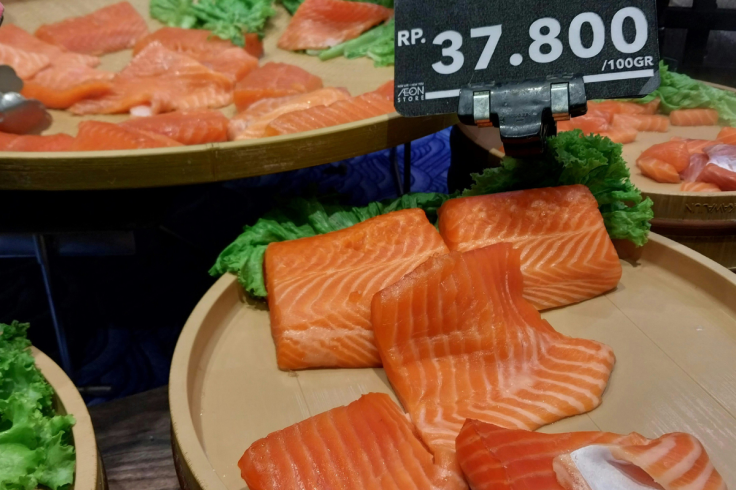
Salmon made without fish is beginning to appear in US retail stores, but the product uses plant-based ingredients rather than fish cells. The new alternative is produced using 3D-printing technology designed to replicate the texture and appearance of conventional seafood.
The products are part of Perfecta, a range developed by Israeli food technology company Steakholder Foods. Its lineup includes plant-based salmon and white fish patties, alongside alternatives to chicken breast, steak and filet mignon.
The company announced the retail launch in September 2026, with distribution through KeHE Distributors across the northeastern United States. However, the company has not publicly identified the individual retailers carrying the products, making it difficult for consumers to confirm availability at specific stores.
While the technology offers another option for people seeking alternatives to animal products, the development also raises a practical health question: can plant-based salmon provide the same nutritional benefits as the real thing?
How Does 3D-Printed Salmon Work?
Unlike cultivated meat, which is produced using animal cells grown outside the body, Perfecta's salmon patties are plant-based. The technology uses layered food ingredients to create a texture and appearance resembling conventional fish.
Steakholder Foods uses specialised 3D-printing methods to reproduce characteristics associated with conventional meat and seafood, including fibrous textures and the appearance of different cuts. The approach is intended to make plant-based alternatives feel more like the foods they replace.
The distinction matters because the term '3D-printed meat' can be mistaken for lab-grown animal tissue. In this case, the product is a fish alternative made from plant ingredients, not salmon produced from fish cells.
The technology itself does not establish whether a product is healthier, safer or more nutritious than conventional seafood. Those questions depend on the ingredients, manufacturing standards and nutritional composition of the finished food.
What Nutrients Does Real Salmon Provide?
Conventional salmon is valued for its protein and long-chain omega-3 fatty acids, particularly eicosapentaenoic acid (EPA) and docosahexaenoic acid (DHA). Fish also provides nutrients such as vitamin B12, vitamin D and selenium.
Omega-3 fatty acids support several functions in the body, while research on seafood consumption has linked eating fish as part of a healthy dietary pattern with cardiovascular benefits. These nutrients are one reason public health guidance encourages people to include a variety of fish in their diets.
Plant-based products can provide protein and other nutrients, but their composition varies considerably. Some alternatives are formulated with additional nutrients, while others may contain different amounts of protein, fat, sodium and vitamins than the foods they imitate.
Consumers therefore should not assume that a salmon-shaped patty contains the same levels of EPA, DHA, vitamin B12 or vitamin D as conventional salmon. The presence of plant-based protein does not automatically mean a product reproduces the full nutritional profile of fish.
Can Plant-Based Salmon Replace Conventional Fish?
Whether a fish alternative can serve as a nutritional substitute depends on its ingredients and the nutrients it provides. A product may be suitable for someone who avoids seafood, but its overall nutritional value should be assessed using the nutrition facts panel rather than its appearance or name.
People comparing products can check the amount of protein per serving, saturated fat, sodium and any added vitamins or minerals. They can also look for information about omega-3 content, particularly whether the product contains EPA and DHA.
Some plant-based foods use oils or other ingredients to provide fats, while certain products may be fortified with nutrients commonly found in animal foods. Algal oil is another potential source of DHA and, in some formulations, EPA. However, consumers should check the specific ingredients and amounts rather than assume these nutrients are present.
For people who avoid fish because of an allergy, a plant-based alternative may seem appealing, but ingredient labels remain important. Products can contain common allergens, including soy or wheat, depending on their formulation and manufacturing process.
What Should Consumers Know About the New Food Technology?
The arrival of 3D-printed plant-based seafood illustrates how food technology is expanding the range of alternatives available to consumers. Replicating the texture of fish may make these products more appealing to people who want to reduce their consumption of animal products without giving up familiar meals.
Checking the ingredient list and nutrition panel remains the best way to determine whether a plant-based seafood product meets an individual's dietary needs.