
Anti-Anxiety Capsules Recalled Nationwide After Health Officials Warn They Might Have Salmonella
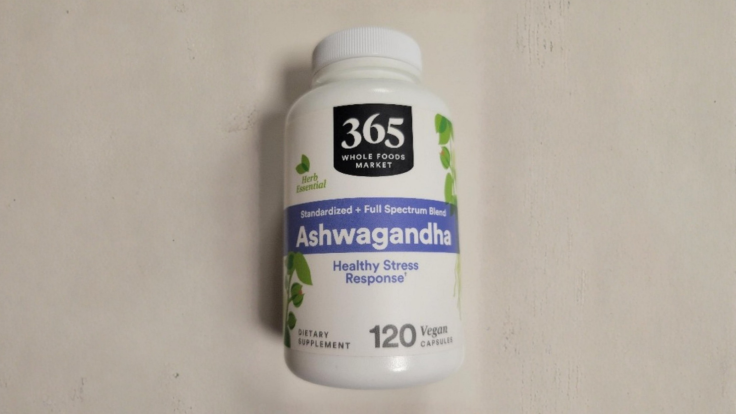
A nationwide recall has been announced for a popular herbal supplement after routine retail sampling identified potential Salmonella contamination.
Vitality Works Inc. voluntarily recalled a specific batch of 365 Whole Foods Market Ashwagandha capsules because the pills might have Salmonella.
The US Food and Drug Administration published the official recall alert, warning that the organism can cause severe and sometimes fatal infections in vulnerable demographics.
While no illnesses have been reported to date, authorities urge consumers to immediately discard the affected product.
Whole Foods and Amazon Remove Recalled Ashwagandha Capsules From Sale
The Albuquerque-based manufacturer recalled a single lot of 365 Whole Foods Market Standardized + Full Spectrum Blend Ashwagandha Capsules.
The affected pills were distributed in 120-count white plastic bottles bearing the UPC 9948252099. Consumers can identify the recalled product by checking the bottom of the bottle for lot number 2025-26227 and an expiration date of 13/10/2028.
Retailers sold the recalled batch nationwide at Whole Foods Market stores and online through Amazon between 24 November 2025 and 20 October 2026.
Health officials instruct customers not to consume the supplements and to throw them away immediately. Buyers should not return the bottles to the store but can request a full refund at any Whole Foods location.
Salmonella Remains a Persistent Threat in the US Food Supply Chain
The Centers for Disease Control and Prevention estimates that Salmonella causes approximately 1.35 million infections and 420 deaths in the United States annually.
Healthy individuals infected with the bacteria typically experience fever, nausea, vomiting, abdominal cramps, and diarrhoea within 12 to 72 hours of exposure. The illness generally lasts four to seven days, and most people recover without specific medical intervention.
However, medical professionals advise seeking hospital care if diarrhoea becomes bloody.
The FDA warned that children under five, the elderly, and individuals with weakened immune systems face a higher risk of severe salmonellosis infections, noting that the bacteria can occasionally enter the bloodstream and trigger serious complications like arterial infections and arthritis.
Preventing Salmonella infection relies primarily on strict kitchen hygiene and proper food temperature control during preparation. Always wash hands thoroughly with warm, soapy water for at least 20 seconds before and after handling raw meat, poultry, seafood, or eggs.
To eliminate cross-contamination, experts advise to use separate cutting boards, knives, and utensils for raw animal products and ready-to-eat foods like salads or bread.
Poultry, ground meats and egg dishes must be cooked thoroughly to safe internal temperatures to destroy harmful bacteria. Perishable foods should be refrigerated promptly at or below 4°C (40°F).
Produce and Processed Foods Drive Recent Bacterial Outbreak Spikes
The supplement recall occurs amidst heightened federal scrutiny of agricultural and manufacturing supply chains following a series of widespread foodborne illnesses.
In September, the FDA and CDC investigated a multistate Salmonella outbreak linked to broccoli sprouts. By September 24, the investigation had identified 32 cases across six states and three hospitalisations. Separate investigations also examined Salmonella infections linked to jalapeño peppers and a combined E. coli and Salmonella outbreak associated with alfalfa sprouts.
Medical researchers emphasise that despite modern safety protocols, acute diarrhoeal diseases remain a major public health threat.
Researchers noted in a 2021 medical review that a surge in worldwide Salmonella outbreaks indicates a pressing need to improve global prevention and control programmes.
Health officials advise consumers to regularly sanitise kitchen surfaces, cutting boards, and refrigerators with a diluted chlorine bleach solution to prevent dangerous cross-contamination at home.