
Texas Man Dies by Suicide After Medicare Billing Issue Delays Medication for Lung Disease
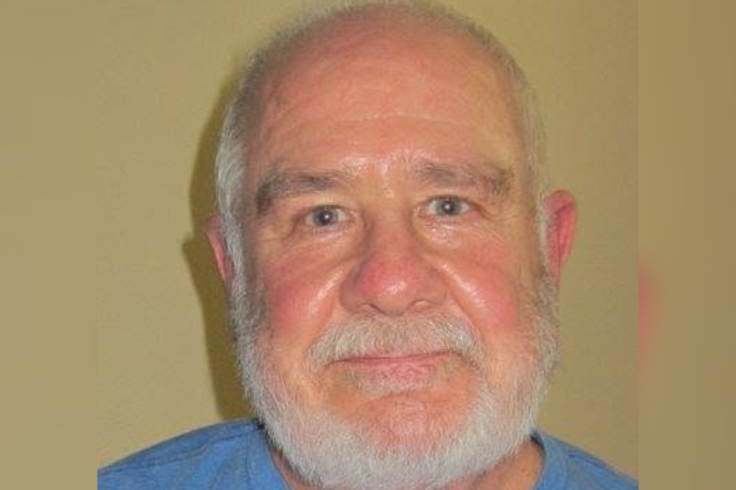
A Texas man died by suicide hours after experiencing a flare-up of chronic obstructive pulmonary disease (COPD), following a delay in receiving a newly prescribed medication because of an unresolved insurance issue.
Kenney Blewett, who had lived with lung disease for more than a decade, had been experiencing increasingly frequent episodes of breathlessness. His wife, Cindy, said even simple activities had become difficult, leaving him increasingly isolated as his health deteriorated.
On 2 June 2026, Blewett's pulmonologist prescribed a liquid medication intended to be inhaled through his nebuliser machine to help manage his breathing problems. However, the prescription was not immediately filled. Two days later, Walgreens notified him that the medication was delayed because of an insurance issue.
After his death, his wife learned that a Walgreens supervisor said the pharmacy had tried to process the prescription through Medicare Part B on 2 June but that it was missing a diagnostic code from the prescribing physician. The supervisor said Walgreens had requested the code from the pulmonologist's office that day.
However, an employee at the practice told Cindy that the office could not find a fax requesting the information. Medicare also told her it had no record of the prescription being billed to Part B.
Blewett died by suicide on 7 June, hours after another COPD flare-up. His wife wondered whether receiving the medication sooner might have changed what happened, although the available reporting does not establish that the delay contributed to his death.
COPD Flare-Ups Can Make Breathing Increasingly Difficult
COPD is a chronic lung disease that includes conditions such as emphysema and chronic bronchitis. It causes airflow obstruction, making it harder for people to breathe and often leading to persistent coughing, wheezing and breathlessness.
As the disease progresses, everyday activities can become increasingly challenging. People may struggle with walking, climbing stairs or completing household tasks because their lungs cannot move air as efficiently as they should.
COPD can also involve exacerbations, commonly known as flare-ups, in which symptoms become worse than usual. These episodes may involve increased breathlessness, coughing, wheezing and changes in mucus production.
Respiratory infections, air pollution and other irritants can trigger exacerbations. Some episodes may require changes to medication or hospital treatment, particularly when breathing becomes severely compromised.
The National Heart, Lung, and Blood Institute advises people experiencing serious breathing difficulties, including struggling to speak or catch their breath, to seek emergency medical attention.
For Blewett, the flare-ups had become increasingly frightening. His wife told KFF Health News that the episodes had grown more frequent and that he had become increasingly limited by his declining physical health.
Nebulised COPD Medication Can Be Covered Under Medicare Part B
The prescription delay involved a distinction between Medicare Part B and Part D, two parts of the US federal health insurance programme that cover different types of medical expenses.
Medicare Part D generally covers outpatient prescription medications obtained through a pharmacy. However, certain medications administered using durable medical equipment, including some drugs delivered through nebulisers, may instead be covered under Part B.
A nebuliser converts liquid medication into a mist that can be inhaled through a mask or mouthpiece. It is commonly used to deliver respiratory medicines, including bronchodilators that help relax the muscles around the airways and make breathing easier.
According to Medicare, medically necessary nebulisers and certain associated medications can qualify for coverage under its durable medical equipment benefit, provided the relevant requirements are met.
Because Blewett's prescription was intended for use with his nebuliser, the pharmacy reportedly attempted to process it through Part B rather than his separate Part D prescription drug plan.
The distinction created confusion for his family as they tried to determine which insurer or healthcare provider was responsible for resolving the delay.
A Missing Diagnostic Code Complicated the Prescription Process
Cindy Blewett told KFF Health News that a Walgreens district pharmacy supervisor later explained that the prescription had been submitted to Medicare Part B without a required diagnostic code from the prescribing physician.
The supervisor reportedly said the pharmacy had requested the missing information from the pulmonologist's office on 2 June. However, an employee at the medical practice told Cindy that it had no record of receiving the request.
Walgreens declined to comment on the individual case, while the pulmonologist did not respond to KFF Health News' requests for comment. The precise point at which the process broke down therefore remained unresolved.
The case illustrates how administrative requirements can complicate access to medically prescribed treatment, particularly when patients rely on multiple insurance policies.
Cindy had been managing her husband's Medicare Parts A and B coverage, a private Part D plan through Wellcare Value Script and a supplemental Medigap policy through Blue Cross and Blue Shield of Texas.
The COPD Foundation has also warned that the distinction between Medicare's drug coverage and durable medical equipment benefits can be confusing for patients, pharmacies and medical practices.
Chronic Illness Can Also Affect Mental Health
Living with a progressive respiratory condition can affect more than physical health. Persistent breathlessness, reduced independence and uncertainty about the future can place considerable emotional strain on patients.
Research has identified depression and anxiety as common concerns among people living with COPD. Breathlessness can also create a cycle in which fear of symptoms leads people to avoid physical activity, potentially contributing to further physical decline and social isolation.
Cindy said her husband had struggled with his mental health for years and had previously attempted suicide. She believed his worsening physical condition added to his distress.
However, suicide is complex and cannot be attributed to a single medical event or administrative problem. Blewett's death followed a period of declining health and mental health difficulties, and the available reporting does not establish that the medication delay caused his death.
His experience nevertheless highlights the importance of addressing both physical and psychological needs when treating people with chronic illnesses. Timely access to prescribed treatment, ongoing mental health support and clear communication between pharmacies and healthcare providers can all form part of a patient's care.
People experiencing suicidal thoughts or concerned about someone else's safety should seek immediate support. In the United States, the 988 Suicide and Crisis Lifeline is available by calling or texting 988.