Former Soho House Staff Claims Out-of-Date Food Was Relabelled, He Was Fired 7 Days Later
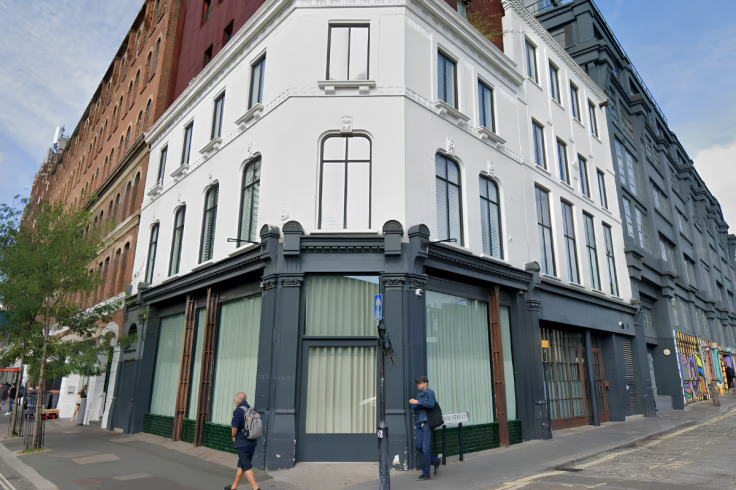
A former Soho House employee has accused the private members' club of relabelling out-of-date food, prompting a food-safety investigation after his allegations spread on TikTok.
The former employee, who said he worked as a chef at Shoreditch House, claimed in a viral video that staff were instructed to change dates on food products that had passed their original dates. He also alleged that he was dismissed seven days after raising concerns.
Soho House has disputed the account of why he was terminated, saying his dismissal was unrelated to the food allegations. The company has launched an internal investigation and said the incident was isolated and contrary to its policies. Hackney Council has also opened a food safety and hygiene investigation.
The allegations have not been independently established, but they raise a broader question about something many consumers check every day: what actually makes food unsafe to eat?
Not Every Date on Food Means the Same Thing
One of the most important distinctions in food safety is between a use-by date and a best-before date.
The UK Food Standards Agency says use-by dates relate to food safety, while best-before dates relate to quality. Foods that carry use-by dates, including certain meat products and ready-to-eat foods, can become unsafe after that date even if they look or smell normal.
Best-before dates are different. Food can remain safe to eat after a best-before date if it has been stored appropriately, although its taste, texture or freshness may deteriorate.
That distinction matters when food is being relabelled. Changing a date does not reverse the biological processes that may have made a food unsafe.
Food Can Become Dangerous Without Looking Spoiled
Foodborne pathogens can multiply under favourable conditions, particularly when food is stored at unsafe temperatures or for too long.
Some contaminated foods may look, smell and taste completely normal. That means consumers cannot reliably determine whether food is safe simply by inspecting it.
The FSA specifically warns that storing food for too long or at the wrong temperature can cause food poisoning. Its latest research found that only around two-thirds of respondents correctly identified a use-by date as the point at which food is no longer safe to eat.
This can become particularly important with ready-to-eat foods, cooked meats, fish and other products that can support the growth of harmful microorganisms.
Food Poisoning Can Cause More Than an Upset Stomach
Foodborne illness can range from relatively mild gastrointestinal symptoms to serious complications.
Common symptoms include nausea, vomiting, diarrhoea, abdominal pain and fever. Some infections can lead to dehydration, while certain pathogens can cause more serious complications beyond the digestive system.
The risk is not the same for everyone. Young children, older adults, pregnant people and individuals with weakened immune systems can be more vulnerable to severe foodborne illness.
That is one reason food-safety rules are built around preventing contamination and controlling how food is stored, prepared and sold rather than relying on whether a product appears fresh.
What To Do if You Think You Ate Unsafe Food
Someone who develops food-poisoning symptoms after eating contaminated food will often recover with rest and adequate fluids. Preventing dehydration is particularly important when vomiting or diarrhoea is severe.
Medical attention may be necessary if symptoms are severe, persistent or accompanied by signs of significant dehydration, bloody diarrhoea, severe abdominal pain or other concerning symptoms.
People at higher risk of complications should also seek medical advice sooner if they become unwell.
The Soho House allegations remain subject to investigation, and there is no indication that customers became ill as a result of the alleged practices.
But the controversy illustrates why food dates are more than labels that can simply be changed. For foods carrying a use-by date, the date is tied to safety, and altering the label does not make potentially unsafe food safe again.
Frequently Asked Questions
- What is the difference between a use-by date and a best-before date?A use-by date is related to food safety, indicating when a food product may become unsafe to eat. A best-before date relates to food quality, indicating when a product may lose its optimal taste or texture.
- Can food be safe to eat after the best-before date?Yes, food can still be safe to eat after the best-before date if it has been stored properly, although its quality may have deteriorated.
- What should I do if I experience food poisoning symptoms?Rest and drink plenty of fluids to prevent dehydration. Seek medical attention if symptoms are severe, persistent, or if you are at higher risk of complications.