
Anti-Suicide Campaigner Who Took Her Own Life Was 'Too Embarrassed' To Admit She Was Struggling, Inquest hears
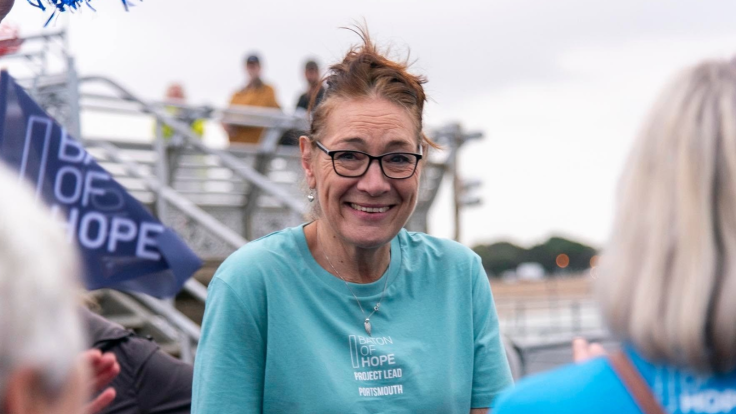
A suicide prevention advocate who had struggled with her own mental health found it difficult to tell others when she needed help, an inquest heard.
Lara Kynvin, 57, was a prominent suicide prevention campaigner in Portsmouth who also advised the National Health Service on mental health. She died at her home in Waterlooville on 14 November 2025, seven weeks after organising a major suicide awareness event.
Hampshire Coroner Christopher Wilkinson ruled her death a suicide. He said pride and embarrassment appeared to have made it difficult for Kynvin to disclose the extent of her struggles, particularly to the suicide prevention charity she worked with. Although she contacted her GP and a crisis team, she later stopped engaging with mental health services.
Advocacy Demands and the Toll of Unspoken Distress
Kynvin entered suicide prevention work following personal hardships during the 2020 pandemic lockdowns. Her brother, Nick Kynvin, told the inquest that the 2020 lockdown had a significant impact on her mental health and that she went on to make multiple suicide attempts.
During one of her suicide attempts, she fractured her ankle, which caused chronic pain for the remainder of her life. Although inpatient psychiatric care in late 2023 offered noticeable improvement, her campaign responsibilities later introduced substantial psychological pressure.
After organising the Baton of Hope event in Portsmouth on 26 September 2025, Kynvin experienced what the coroner described as a 'very low low' following the event's emotional high. Wilkinson said her charity work may have distracted her from her own mental health struggles, while the time and effort required to organise the Baton of Hope event had also placed significant pressure on her wellbeing.
'I think she didn't want to admit she was struggling, especially to a charity whose main purpose was to help,' Wilkinson stated. 'We know she decided not to engage with health services despite extensive efforts made to help her.'
Understanding Key Suicide Risk Factors Beyond Depression
Suicide is rarely attributable to a single factor. Mental health conditions, previous suicide attempts, chronic physical pain and difficult life circumstances can all contribute to an individual's vulnerability.
A previous suicide attempt is an important risk factor for future suicidal behaviour. In Kynvin's case, the coroner highlighted her history of depression, chronic pain and difficulty admitting the extent of her mental health struggles.
Other major risks include access to lethal means, sudden financial strain, and barriers to proper care. Experts stress that recognising these overlapping pressures early helps clinicians intervene before an acute crisis escalates.
Key Suicide Warning Signs and How Safeguards Save Lives
Warning signs can indicate that someone needs additional support, although they do not always mean a person is at immediate risk of suicide.
Key indicators include talking about being a burden, expressing intense hopelessness, and abruptly withdrawing from friends and family. People in acute crisis may also show drastic mood changes or appear unexpectedly calm after severe despair.
Strong social connections, access to mental health services and consistent follow-up care can help protect people experiencing psychological distress.
Suicide prevention strategies include improving access to crisis support, providing practical coping strategies and reducing access to potentially lethal means during periods of acute distress.
National Mortality Trends and Crisis Resources
The inquest comes amid continuing concern over suicide deaths in the UK. House of Commons Library figures show that 7,147 deaths were registered as suicide across the UK in 2024, equivalent to approximately 20 a day. In England and Wales, people aged 50 to 54 recorded the highest age-specific suicide rate that year, at 17 deaths per 100,000 people.
Health officials continue urging individuals in distress to seek confidential support without fear of professional or social judgment.
If you or someone you know is struggling or in distress, help is available. In the UK, call Samaritans free at 116 123, call CALM at 0800 58 58 58, or text SHOUT to 85258.