
Norovirus Reports Rise 36.2% in England: Why Hand Sanitiser Is No Substitute for Soap and Water This Winter
Norovirus reports are climbing in England ahead of winter, with positive laboratory reports increasing by 36.2% between two consecutive two-week periods, according to the latest UK Health Security Agency (UKHSA) figures.
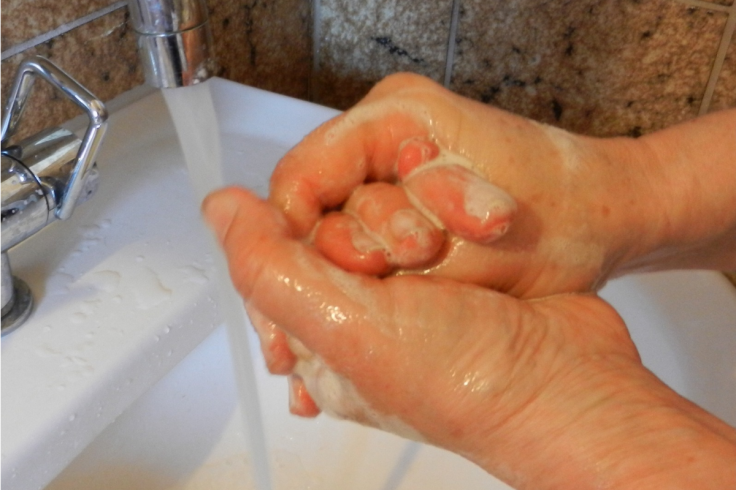
The increase highlights the importance of washing hands with soap and water, as standard alcohol-based hand sanitisers offer limited protection against the highly contagious virus.
The latest UKHSA surveillance data show that 331 positive laboratory reports were recorded between 2 and 15 November 2026, compared with 243 during the preceding fortnight. Although activity remains within expected seasonal levels, reports for the latest fortnight were 5.4% above the five-season average.
Since the start of the 2026/2027 surveillance season, England has recorded 2,325 positive laboratory reports, 18% above the corresponding five-season average. Children aged four and under had the highest reporting rate during the latest fortnight.
Why Soap and Water Work Better Against Norovirus
Unlike many viruses susceptible to alcohol-based hand sanitisers, norovirus lacks a fatty outer membrane. Its genetic material is enclosed within a protective protein shell, making it more resistant to standard alcohol-based formulations.
Washing with soap and running water helps physically remove viral particles from contaminated hands, reducing the risk of transferring them to food, surfaces and other people.
'The virus is protected by a very tough coat, so hand sanitizer and alcohol are not able to destroy it,' Dr Jonathan Jennings, an internal medicine physician at Medical Offices of Manhattan, told Men's Health.
The US Centers for Disease Control and Prevention (CDC) recommends washing hands with soap and water for at least 20 seconds, particularly after using the toilet, changing nappies and before preparing or eating food.
Hand sanitiser may supplement handwashing but should not replace it.
How Norovirus Spreads and Survives on Household Surfaces
According to the CDC, exposure to just a few norovirus particles can cause illness. Transmission occurs when microscopic particles of infected faeces or vomit enter another person's mouth, often through contaminated hands, food or surfaces.
The UKHSA advises that norovirus can survive on surfaces for days or weeks. Outbreaks are particularly common in settings where people have close contact, including schools, hospitals and care homes.
The agency recommends disinfecting contaminated surfaces with bleach-based products. Disposable gloves should be worn when handling contaminated clothing or bedding. Toilet seats, flush handles, taps and door handles should receive particular attention.
The NHS recommends washing clothing and bedding soiled with vomit or faeces separately on a 60°C cycle. Health authorities also advise washing fresh produce and cooking shellfish thoroughly to reduce the risk of foodborne transmission.
Norovirus Symptoms and Why the 48-Hour Rule Matters
Commonly known as the winter vomiting bug, norovirus typically causes sudden nausea, vomiting and diarrhoea. According to the NHS, other symptoms include stomach pain, fever, headaches and aching limbs.
Most people start feeling better within two to three days. However, young children, older adults and people with weakened immune systems face a greater risk of serious or prolonged illness.
Treatment focuses on preventing dehydration. Drinking plenty of fluids and taking small, frequent sips can help replace fluids lost through vomiting and diarrhoea.
The NHS advises contacting 111 if someone cannot keep fluids down or remains dehydrated despite using oral rehydration sachets. Urgent advice should also be sought if a child under five shows signs of dehydration or a child stops breast or bottle feeding.
People with norovirus should stay away from work and school and avoid preparing food for others until at least 48 hours after symptoms stop. Visits to others in hospitals and care homes should also be postponed during this period.
The CDC advises that norovirus transmission remains possible for two weeks or longer after recovery. Continued handwashing with soap and water and thorough household cleaning remain important in preventing further transmission.