
Taking Olive Oil Before a Meal May Trigger a Surprising Change in Digestion, Researchers Find
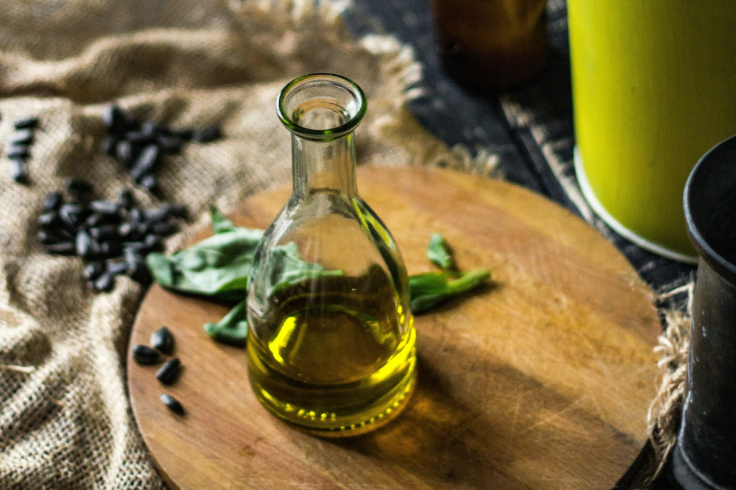
Olive oil taken before glucose slowed stomach emptying and softened the sharp blood sugar spike that typically follows, new research in mice has found. The effect also appeared in animals with type 2 diabetes and severe insulin deficiency.
The surprise lay in the mechanism. Glucagon, a hormone generally known for raising blood sugar, appeared to work with GLP-1 to limit the rise, while nerve signals seemed to play a part.
Why the Findings Matter
Keeping blood sugar from rising too high after eating is an important part of diabetes management. Previous clinical studies have shown that eating vegetables, protein or fat before carbohydrates can help limit these increases.
Scientists have generally explained the effect through slower gastric emptying and greater release of incretin hormones such as GLP-1. How gut and pancreatic hormones interact with the nervous system has not been fully understood.
How the Study Worked
The study, published by the American Diabetes Association, tested whether olive oil taken before a glucose solution could lower blood sugar. Researchers also examined how hormones and nerve signals shape that response.
After an overnight fast, mice were split into three groups. One received water followed by glucose, another got olive oil and then glucose 15 minutes later, and a third got glucose first, with olive oil 15 minutes afterwards.
The team measured blood glucose and hormones including insulin, glucagon, glucose-dependent insulinotropic polypeptide (GIP) and GLP-1. Paracetamol was also given to estimate how quickly the stomach emptied, a process known as gastric emptying.
Further experiments included mice with type 2 diabetes and animals lacking the GLP-1 receptor. Researchers also blocked glucagon or GLP-1 signalling and cut the vagus nerves below the diaphragm to see how the response changed.
Fat First Slows Blood Sugar Spikes
When mice received olive oil before glucose, the initial rise in blood sugar was smaller than when the oil came afterwards. The earlier fat also slowed gastric emptying, delaying the movement of glucose from the stomach into the intestine.
Fat before glucose also prompted an early rise in glucagon, GIP and GLP-1. The effects held in mice with type 2 diabetes and severe insulin deficiency, suggesting the response can work when insulin regulation is impaired.
Blocking glucagon alone did not erase the benefit, and blocking GLP-1 alone also failed to remove it. Blocking both pathways at once, however, reduced the effect.
Interrupting the vagus nerve pathways suggested nerve signals also contribute. Corresponding author Daisuke Yabe of Kyoto University said nutrient order can engage a coordinated hormone-nerve response that alters how quickly glucose reaches the intestine.
Limits and Practical Takeaways
The experiments used a glucose solution, not a meal, in mice, and the same effects have not yet been established in humans. Additional clinical studies are needed to see whether the mechanisms can improve blood sugar regulation in people.
Dietitian Lisa Valente, MS, RD, said she would avoid adopting a new health habit because a study shows a benefit in mice. She added that extensive human research already shows how healthy olive oil can be.
She said fat takes longer to digest and does not affect blood sugar the same way as carbohydrates, making the two a good pair. A shot of olive oil might help before a fat-free meal, but she prefers it in meals.
Olive oil also contains about 120 calories per tablespoon. A tablespoon before each of three daily meals would add roughly 360 calories a day, which can add up quickly.
She favours extra-virgin olive oil in cooking or a vinaigrette for healthy fats and flavour. If taking shots of olive oil encourages people to use it instead of butter or lard, she believes there is probably a benefit.