Paracetamol vs Ibuprofen: Which Should You Take for Pain, Fever and Inflammation?
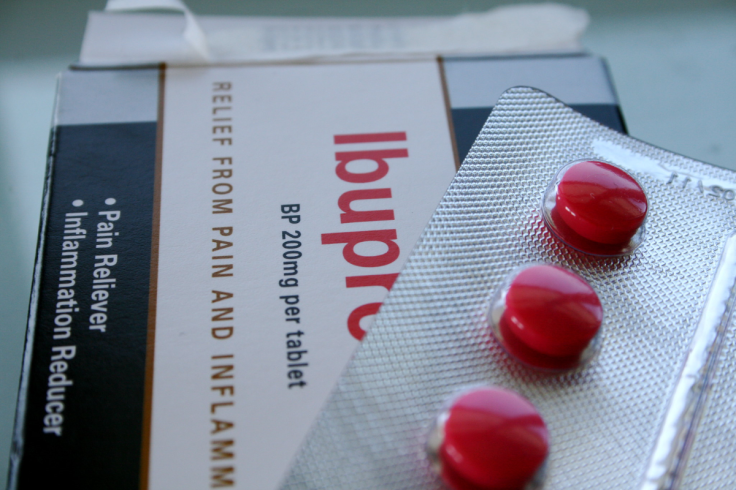
Paracetamol and ibuprofen are two of the most commonly used painkillers in the UK. They are available over the counter, found in many cold and flu remedies, and often recommended for everyday aches, pains and fever.
Because both medicines can reduce pain and lower a temperature, many people assume they are interchangeable. In reality, they work differently and are not equally suitable for every situation.
Understanding the differences can help you choose the safest and most effective option, and avoid taking more medication than you need.
What Is the Difference Between Paracetamol and Ibuprofen?
Paracetamol, also known as acetaminophen in some countries, works mainly by reducing pain signals in the brain and helping to lower fever.
Ibuprofen belongs to a group of medicines called non-steroidal anti-inflammatory drugs (NSAIDs). It reduces pain, lowers fever and, importantly, decreases inflammation.
That difference is often the key factor when deciding which medicine is likely to help most.
'Neither medication is "better" than the other,' said Dr Andrey Ilyabayev, DDS, implant and cosmetic dentist at Bayside Dental Arts in New York. 'They function differently; whichever works better for you is dependent on what causes your pain in the first place.'
When Is Paracetamol Usually the Better Choice?
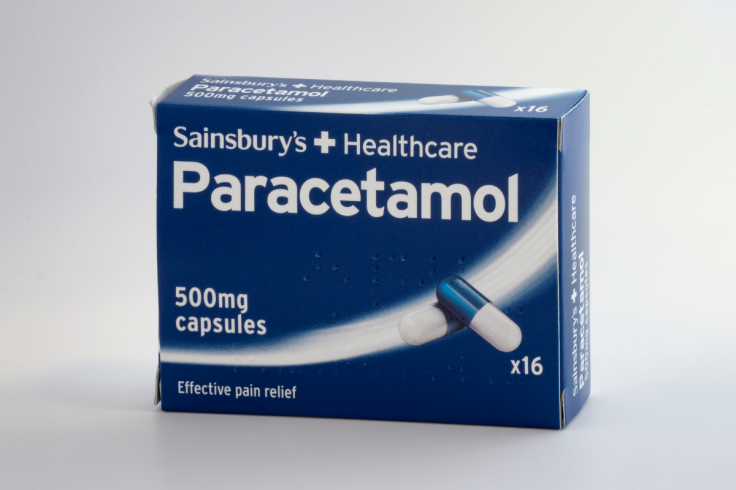
Paracetamol is often preferred when pain is not primarily caused by inflammation.
It is commonly used for:
- Headaches
- Fever
- Cold and flu symptoms
- Mild muscle aches
- Sore throat
- Earache
- General aches and pains
Paracetamol is generally gentler on the stomach than ibuprofen and is often suitable for people who cannot take NSAIDs because of stomach ulcers, kidney disease or certain other medical conditions.
However, it is not risk-free. Taking too much paracetamol can cause serious liver damage, and overdoses may be life-threatening.
When Is Ibuprofen Usually the Better Choice?
Because ibuprofen reduces inflammation, it may work better for conditions where swelling or irritation is part of the problem.
Examples include:
- Muscle strains and sprains
- Sports injuries
- Back pain linked to inflammation
- Arthritis
- Period pain
- Toothache
- Swollen gums after dental treatment
Dr Ilyabayev said ibuprofen is often the preferred initial treatment for dental pain.
'Any dental disease causes some degree of pain with an inflammatory cause, and ibuprofen works on the cause of the pain, unlike paracetamol, which only prevents pain signals,' he explained.
Paracetamol may still be useful for people who cannot take NSAIDs or as part of a treatment plan advised by a healthcare professional.
Which Works Better for Fever?
Both medicines can reduce fever.
Paracetamol is often used first, especially in children, because it is generally well tolerated. Ibuprofen can also be effective for fever and may provide longer relief in some people.
It is important to follow the dosing instructions on the packet and avoid accidentally taking duplicate ingredients from cold and flu remedies.
Can You Take Paracetamol and Ibuprofen Together?
In some circumstances, adults may be advised by a healthcare professional to take paracetamol and ibuprofen at different times because they work through different mechanisms.
However, routinely combining them is not necessary for most mild illnesses, and it increases the risk of dosing errors.
Children should only receive combined or alternating treatment if specifically advised by a healthcare professional.
Who Should Avoid Ibuprofen?
Ibuprofen is not suitable for everyone. Speak to a pharmacist or GP before taking it if you have:
- A history of stomach ulcers or bleeding
- Asthma triggered by NSAIDs
- Kidney disease
- Severe heart failure
- Uncontrolled high blood pressure
- Certain bleeding disorders
- Late-stage pregnancy
Ibuprofen can irritate the stomach lining and, in some people, increase the risk of bleeding or kidney problems.
Who Should Be Cautious With Paracetamol?
Paracetamol should be used carefully by people with:
- Liver disease
- Heavy alcohol use
- Severe malnutrition
- Very low body weight
Never exceed the maximum recommended daily dose, and remember that many cold and flu products already contain paracetamol.
Common Myths About Paracetamol and Ibuprofen
'Ibuprofen is stronger'
Not necessarily. Ibuprofen may be more effective for inflammatory pain, while paracetamol can work just as well for headaches or fever.
'Taking more will work faster'
Dr Ilyabayev frequently sees patients increase their ibuprofen dose when dental pain persists.
'The higher doses don't make the pain go away faster,' he said. 'All they do is increase your chances of developing side effects.'
If a normally effective dose stops working, it may indicate that the underlying problem needs medical assessment.
'Over-the-counter means completely safe'
Both medicines can cause harm if used incorrectly. Paracetamol overdose can damage the liver, while ibuprofen can cause stomach bleeding, kidney problems and other complications.
When Should You See a Doctor or Dentist?
Painkillers can relieve symptoms, but they do not always treat the cause.
Seek medical advice if you have:
- Severe or worsening pain
- Pain lasting more than a few days
- Fever that persists
- Shortness of breath
- Chest pain
- Signs of infection
For dental pain, Dr Ilyabayev advises prompt assessment if symptoms continue despite treatment.
'If there is any lingering pain in the teeth after a few days of taking the ibuprofen and paracetamol medication, or if the person is experiencing swelling, fever, or an offensive smell or taste in the mouth, then this is the time for visiting a dentist rather than increasing the dosage,' he said.
He warned that painkillers can mask an infection developing beneath a tooth.
A Quick Comparison
| Symptom | Usually First Choice |
|---|---|
| Headache | Paracetamol |
| Fever | Paracetamol |
| Cold/flu aches | Paracetamol |
| Muscle strain | Ibuprofen |
| Arthritis | Ibuprofen |
| Period pain | Ibuprofen |
| Toothache | Ibuprofen |
| Stomach-sensitive person | Paracetamol |
The Bottom Line
Paracetamol and ibuprofen are both effective painkillers, but they are designed for slightly different jobs.
Choose paracetamol for fever, headaches and general aches when inflammation is not the main issue. Choose ibuprofen when swelling and inflammation are likely contributing to the pain, such as with sprains, arthritis, period pain and many dental problems.
Whichever medicine you use, follow the dosing instructions carefully, avoid taking more than recommended and seek medical advice if symptoms persist or worsen.