
Phil Mickelson's Private Struggles Revealed as Golf Star Seeks Treatment for Addiction
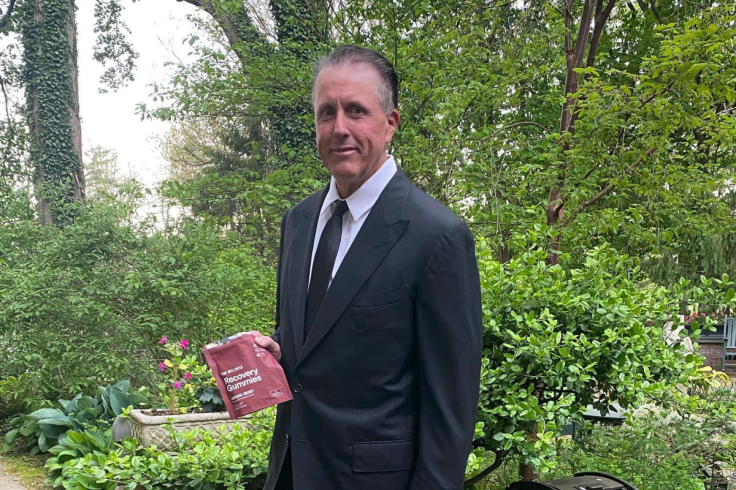
Phil Mickelson has revealed he voluntarily sought treatment 'for family trauma and addiction' after months away from competitive golf, according to a TMZ report. His representative confirmed on Wednesday, 30 September, that the six-time major champion has since left the facility.
The revelation sheds new light on In June, Mickelson's representative confirmed he had resigned from a Southern California golf club amid reports of alleged inappropriate physical contact with an employee. A representative disputed some of the allegations and said others concerned behaviour Mickelson had previously acknowledged.
His priority, the representative added, was to become 'the husband, father, and man his family deserves'. The statement also acknowledged that recovery 'is not a straight line'.
Gambling and Recovery
Mickelson has previously described his gambling as an addiction. In 2023, he wrote on X that he 'crossed the line of moderation and into addiction' and said he would not bet that year.
He said the money was never the issue, but the distraction left him unable to be present with loved ones. He recalled being told often: 'You're here but you're not with us.'
Most of you will enjoy this football season with moderation while having lots of fun and entertainment. The fantasy leagues will provide banter amongst friends and money won or lost betting won’t affect you. I wont be betting this year because I crossed the line of moderation and…
— Phil Mickelson (@PhilMickelson) September 18, 2023
Mickelson compared the experience to a hurricane that left damage to clean up. After many years of professional help and recovery, he said he could live each day with inner calm and peace.
He also urged others not to confuse enablers with friends. He credited his wife, Amy, with supporting him through his darkest moments as he worked towards recovery.
Understanding Gambling Disorder
Cleveland Clinic describes gambling disorder as a pattern of betting that continues despite problems in a person's life. It can cause withdrawal, tolerance and cravings.
Gambling can trigger a large release of dopamine, the brain's 'feel-good' chemical. Over time, the brain may become less responsive, potentially leading a person to gamble more or use larger sums to feel the same excitement.
The World Health Organization estimates that 1.2 per cent of the world's adult population has gambling disorder.
The disorder can damage relationships, interfere with work or school and create financial problems. It is also associated with an increased risk of suicide. Diagnosis involves assessing symptoms experienced over the previous year.
Treatment and Recovery
Therapy, led by a psychologist or counsellor, is a main treatment for gambling disorder. Cognitive behavioural therapy is commonly used, while other options include group therapy, family therapy and support groups such as Gamblers Anonymous.
No US Food and Drug Administration-approved medication exists specifically for gambling disorder. Medicines may still be prescribed to manage urges or related conditions such as anxiety or depression.
Recovery is neither quick nor easy, and relapses can happen. A strong support system can help a person return to treatment and continue working towards recovery after a setback.
The June statement said Mickelson was working on recovery, with Amy by his side. It also made clear that while parts of his life are public, his family's private matters are not.