
Ole Miss Student Death: What Is Pulmonary Edema and Could It Be Linked to Drug Overdose?
Two University of Mississippi students found dead on 21 September remain under separate investigation, and the reference linking one Ole Miss student's death to pulmonary oedema comes from observations made at the scene, not a publicly released final cause of death.
Aidan Hamilton, 18, a freshman from Englewood, Colorado, was found in Stewart Hall. Robert Strang, 20, a junior from Atlanta, was found about an hour later off campus. Court documents say the coroner and medical personnel at the scene believed Hamilton could have died from pulmonary oedema, which they said would be consistent with a drug overdose.
What Investigators Found at Both Scenes
Lafayette County Metro Narcotics is treating the deaths as two inquiries and has no confirmed evidence they are connected. Tablets labelled Smax Pseudo-DHM tablets were recovered at both scenes. Agents call the product a kratom-like substance sold at gas stations and tobacco shops for a narcotic-like effect, chemically manipulated rather than ordinary leaf.
Hamilton's roommate said he smoked a great deal of cannabis and had a severe cough. Officers focused on the tablets on his dresser. Strang was cold to the touch. Roommates said he used nitrous oxide cans daily, and 20 to 30 cans were found alongside the tablets.
Vice-chancellor Shawnboda Mead released the names only after the families agreed. Commissioner Sean Tindell was plain. 'We're not a hundred percent certain that it was an overdose,' he said on 30 September.
What Pulmonary Oedema Is and the Overdose Question
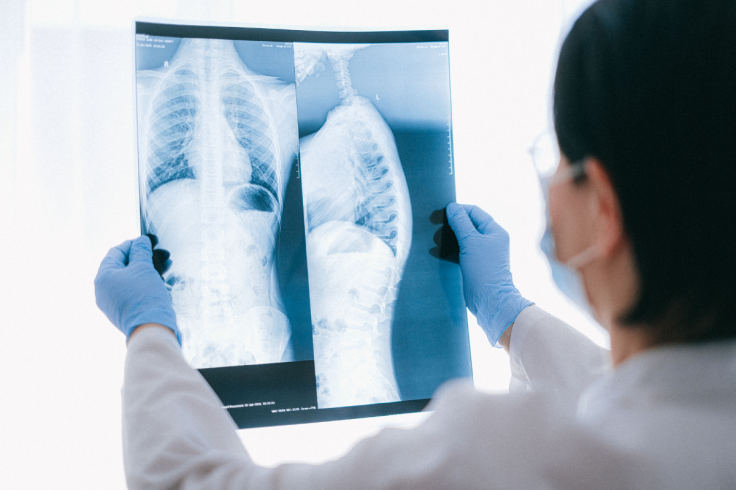
Pulmonary oedema is fluid in the lungs. Air sacs fill with fluid instead of air, so oxygen cannot pass properly into the blood. Breathing can feel like drowning. Pulmonary oedema can be caused by heart problems or by non-cardiac conditions, including severe infection, lung injury and some drugs or toxins.
Medical references list opioid overdose, including heroin, among those causes, with aspirin poisoning and near-drowning. In drug-related cases, several mechanisms have been proposed, including severe hypoxia and changes in the lung's blood vessels and capillaries. It is uncommon and can clear within a day or two with oxygen.
A scene remark that oedema would be consistent with a drug overdose is a possibility, not a diagnosis. Its symptoms and imaging findings can overlap with other serious conditions, including pneumonia and heart problems, which is why determining the underlying cause requires medical investigation.
Tablets, Shop Raids and Open Laboratory Results
Affidavits say Hamilton bought the tablets at Puffs Vape, Tobacco and Beer in Oxford the day before he died. Strang bought the same brand at an Express Mart in Water Valley. On 25 September officers arrested Yahya Mohamed Mosleh, 51, and Islam Mohamed, 18, for possession of Schedule I substances with intent to distribute.
They seized stock worth about £1,358 ($1,800). Neither man has been charged in the deaths. A clerk allegedly warned a confidential informant that people were dying from the pills.
On 26 August, the US Drug Enforcement Administration temporarily placed mitragynine pseudoindoxyl, MGM-15 and MGM-16 in Schedule I, covering the manufactured compounds rather than ordinary kratom leaf.
Mississippi Department of Public Safety press secretary Alex Gibert said the toxicology reports for both students would be provided to the Lafayette County coroner, with the families to be notified first. The findings have not yet been publicly released.
Until results are public, any link between pulmonary oedema and a drug overdose stays what the scene note called it: consistent with, not proven.