
Woman Suffering From Fibromyalgia Asked Husband To Help End Her Life, Now He's Jailed for 6 Years
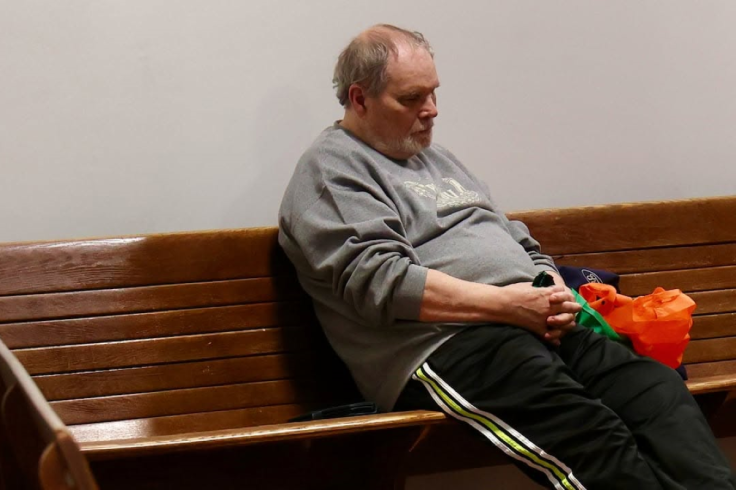
A 75-year-old Canadian man has been sentenced to six years in prison after killing his wife, who had asked him to help her end her life as her health deteriorated.
Douglas Smith was sentenced in Nova Scotia Supreme Court on Tuesday for the death of his 72-year-old wife, Iris Dodd, at their home in Kingsport, Nova Scotia, in April 2022. He pleaded guilty to manslaughter in April, shortly before he was due to stand trial for second-degree murder.
Court documents described Dodd as having several serious health problems. She had suffered a stroke in 2018, after which her health gradually declined. She eventually needed a wheelchair and was losing her eyesight, while also experiencing chronic pain associated with arthritis and fibromyalgia. She had also recently spent a long period in hospital because of bouts of pneumonia.
What Is Fibromyalgia?
Fibromyalgia is a long-term condition that causes widespread pain and increased sensitivity to pain. The NHS says symptoms can also include extreme fatigue, stiffness, poor-quality sleep, headaches and cognitive problems sometimes referred to as 'fibro-fog'.
Some people with fibromyalgia also experience irritable bowel syndrome, dizziness, tingling or numbness, restless legs and anxiety. Symptoms can fluctuate, with periods when they become better or worse.
The exact cause of fibromyalgia is not known. It is thought to involve changes in the way the central nervous system processes pain signals. There is no specific test for the condition, and doctors may need to rule out other illnesses that can cause similar symptoms.
There is currently no cure, but treatments can help people manage symptoms. These can include tailored exercise programmes, relaxation techniques, talking therapies and medicines.
What Other Health Problems Did Dodd Have?
Fibromyalgia was only one part of Dodd's declining health.
According to court documents, the stroke she experienced in 2018 was followed by a gradual deterioration that affected her mobility and vision. She eventually relied on a wheelchair and was described as nearly blind. She also lived with arthritis and chronic pain and had recently endured a lengthy hospital stay because of pneumonia.
The couple was also due to be evicted from their home the following day, with nowhere suitable or affordable to move to that could accommodate Dodd's accessibility needs. Court documents said Dodd strongly opposed spending her final years in a healthcare or long-term care facility.
What Happened to Her Husband?
Dodd had told Smith that she planned to take her medication in an attempt to end her life and asked him to help arrange it. The couple agreed to carry out the plan the following day, according to the agreed statement of facts presented in court.
Smith later decided to kill his wife himself. He subsequently contacted police and admitted responsibility.
Crown prosecutor Daniel Rideout told the court that Smith was motivated by what he believed was compassion, but emphasised that he had broken the law and that other options were available. Smith's six-year sentence followed his guilty plea to manslaughter.
Dodd's case illustrates how chronic illness can involve multiple overlapping physical problems, with pain, mobility difficulties, fatigue and other symptoms potentially affecting everyday life and quality of life. Fibromyalgia itself can be managed with appropriate medical support, even though symptoms may persist.