
She Went for Acrylic Nails — Now She's Suing the Salon Over an Alleged Herpes Infection
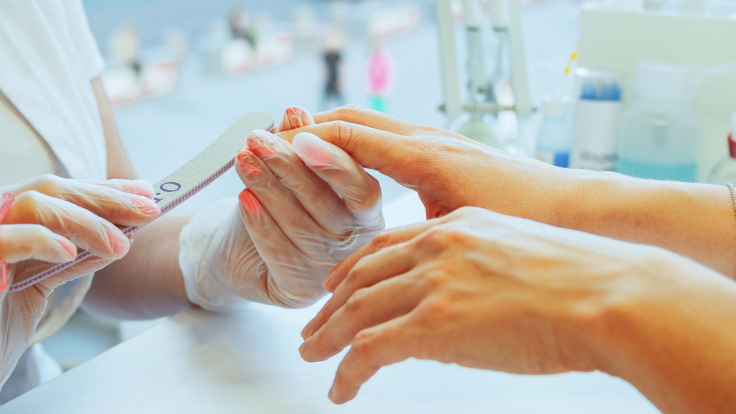
A lawsuit against a Portland nail salon is raising questions about infection prevention, tool disinfection and the risks of skin injuries during cosmetic treatments. The case centres on a woman who allegedly developed a herpes infection after an acrylic nail appointment in 2025.
The complaint also names Oregon health authorities, alleging that regulators failed to take adequate action after a similar infection was reported previously. However, the allegations have not been established in court.
What Happened During the Nail Appointment?
According to the complaint, the 31-year-old woman visited PDX Nails on Northeast Glisan Street in Portland in August 2025 for an acrylic nail appointment. A technician allegedly used a nail drill bit and other implements without wearing gloves. The appointment also included a hand massage using lotion or oil.
The woman reportedly experienced burning and stinging in her right hand and little finger the following day. By the day after that, she had developed an itchy, fluid-filled blister.
She sought medical attention 11 days after the appointment. According to the lawsuit, testing confirmed a herpes simplex virus type 2 (HSV-2) infection in September 2025. The complaint states that she had not previously had herpes.
The lawsuit seeks $2.5 million (£1.8 million) in damages and names PDX Nails LLC, the Oregon Health Authority and the Health Licensing Office as defendants. The plaintiff alleges that the state agencies failed to take sufficient action after a similar infection was reported in 2023. These remain allegations, not findings of liability.
What Is Herpetic Whitlow?
Herpetic whitlow is a herpes simplex virus infection affecting a finger or the surrounding tissue. Symptoms can include pain, swelling, redness and fluid-filled blisters.
Herpes simplex viruses can spread through direct contact with infected skin or sores. The virus can enter the body through breaks in the skin, including cuts and abrasions.
Manicure procedures can involve close contact with the skin around the nails. If contaminated equipment comes into contact with broken skin, it may create an opportunity for infection. However, a diagnosis alone does not establish how someone acquired the virus. The alleged connection between the manicure and the woman's infection remains part of the legal claim.
HSV can remain in the body after the initial infection, and symptoms may recur. Although there is no cure that eliminates the virus, antiviral medicines can help manage outbreaks and may shorten their duration when treatment begins early.
Why Nail Salon Hygiene Matters
The lawsuit refers to a 2021 state investigation that allegedly found PDX Nails had failed to disinfect used tools, including nail drill bits, and had not properly cleaned foot spa equipment. The complaint argues that these findings and the earlier infection report should have prompted stronger regulatory action.
Oregon's cosmetology rules require tools and implements that come into contact with clients to be cleaned, disinfected or disposed of as appropriate. Certain items designed for single use, including nail files, sanding bands and nail bits, must be discarded or given to the client after each use.
The US Occupational Safety and Health Administration (OSHA) advises nail salon workers to clean and disinfect tools between clients, wash their hands before and after appointments and use appropriate protective equipment when handling potentially infectious materials. Disposable items should not be reused between customers.
These measures help reduce exposure to infectious agents. Although infections are not inevitable during nail treatments, proper equipment handling and sanitation are important safeguards for customers and technicians.
How Customers Can Reduce Infection Risks
Customers can take practical steps to make nail appointments safer.
Before a manicure, check whether the salon appears clean and whether technicians use properly disinfected reusable tools. Ask how equipment is cleaned between clients and whether single-use items, such as disposable nail files, are discarded after each appointment.
Avoid treatments that involve aggressive cuticle cutting or cause bleeding. Customers with open wounds, blisters or visibly infected skin around their nails should postpone cosmetic treatments until the area has healed or seek medical advice.
After an appointment, persistent burning, swelling, redness or fluid-filled blisters warrant medical attention, particularly if symptoms develop soon after treatment. Herpetic whitlow can resemble other skin infections, so a clinician can assess the symptoms and determine whether testing or treatment is needed.
Customers should not squeeze or attempt to drain suspected herpes blisters, as this may worsen the affected area and potentially spread the infection to other parts of the body.
A Legal Dispute With Broader Health Implications
The Portland case highlights the importance of infection-control practices in personal-care businesses, particularly when treatments involve tools used close to the skin. However, the allegations against PDX Nails and the state agencies remain subject to legal proceedings.
The Oregon Health Authority reportedly said it could not comment on pending litigation, while PDX Nails had not publicly responded to the latest lawsuit at the time of the report. A separate case involving another customer and a similar alleged infection was dismissed in 2025 following a confidential settlement.
The case underscores why nail salon hygiene matters beyond cosmetic results. Properly disinfected equipment, safe treatment practices and prompt medical assessment of unusual symptoms can help reduce infection risks.