
How To Prevent Sports Injuries: Sports Medicine Experts Share the Habits Every Athlete Should Follow
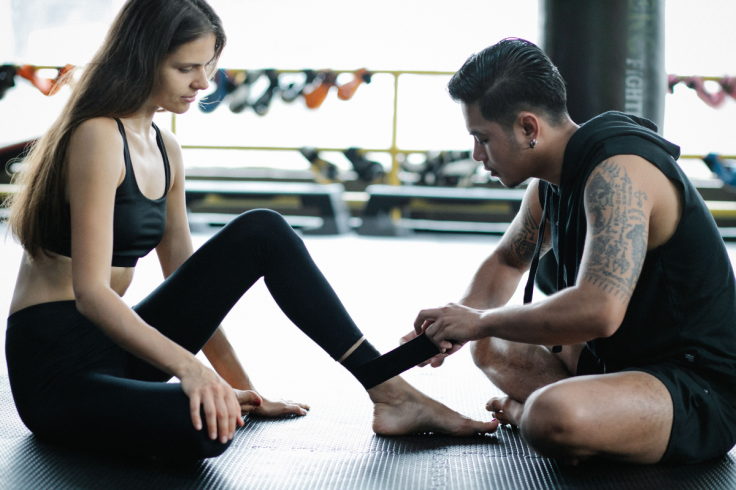
Torn ligaments, stress fractures, career-ending tears — for many of athletes, these are treated as an inevitable cost of competing. But sports medicine practitioners say the vast majority of these injuries may be preventable, and the difference often comes down to habits formed long before an athlete ever steps onto the pitch.
From the way a footballer warms up to how many hours a swimmer sleeps, the small choices made away from competition can be just as decisive as the moments within it.
Why Warming up Properly Matters
Skipping a warm-up is one of the most common mistakes athletes make — and one of the easiest to fix. A proper warm-up should include light cardio, dynamic stretches such as leg swings and arm circles, and movements that mimic the activity ahead.
Failing to prepare the body this way can lead to joint pain, strained muscles or even tears. Cooling down deserves the same attention: practitioners recommend taking roughly twice as long to cool down as to warm up, easing out of activity before stretching gently and rehydrating.
Building Strength and Variety
Strength training can be one of the most effective tools for preventing injury. It increases bone density, supports joint flexibility and helps muscles absorb shock that would otherwise be transferred to the joints.
A balanced fitness plan combines strength work with cardiovascular exercise and flexibility training, alternating which muscle groups are worked rather than repeating the same movements daily. Coaches advise starting any new exercise slowly and prioritising form over speed or heavy weights, since poor technique can strain a muscle or wrench a joint.
Repeating the same movements session after session also places excessive stress on the same tissues. Cross-training with activities such as swimming, cycling or yoga can build balanced strength and reduces repetitive strain, making it a particularly valuable habit for runners and other endurance athletes.
Getting the Mechanics Right
Poor movement patterns place unnecessary strain on muscles, joints and connective tissue, even when strength and fitness levels are high.
Poor running mechanics, improper landing technique, knee collapse during squats or jumps, and shoulder compensation during overhead movements are all potential contributing factors.
A physical therapist can assess movement quality and flag biomechanical issues before they progress into injuries. Athletes who address these patterns early may face far fewer setbacks over a season.
The Importance of Mobility and Flexibility
Limited mobility forces the body to compensate during movement, placing extra stress on joints and soft tissue. The hips, ankles, shoulders and upper back are among the areas most commonly in need of mobility work.
Stretching improves the ability of muscles to contract and perform properly. Each stretch should begin slowly, building to a point of mild tension rather than pain, and commonly held for roughly 20 seconds or so — though flexibility alone is not enough without strength and control through the full range of motion.
Why Recovery Cannot Be Skipped
Recovery is when the body actually adapts and grows stronger — not during the workout itself. Without it, athletes may become more vulnerable to fatigue, decreased performance, muscle strains and eventual burnout, which is why rest days belong in every training schedule.
Sleep, often the most overlooked recovery tool, plays a central role in this process. Most athletes should generally aim for between seven and nine hours of quality sleep each night to support muscle repair and overall performance.
Fuelling the Body Correctly
Nutrition and hydration are just as important as training itself. Dehydration can affect muscle function, endurance, concentration and coordination, while a balanced diet built around lean proteins, complex carbohydrates, healthy fats and plenty of fruit and vegetables gives the body what it needs to recover and perform.
Choosing the Right Equipment
Even the best training habits can be undermined by the wrong kit. Sport-specific footwear, properly fitted protective gear and braces, where recommended, all play a measurable role in reducing injury risk, and worn-out equipment should be replaced regularly, particularly in high-impact sports.
Persistent foot pain can often be a sign that it is time for orthotics or a professional fitting, rather than something to push through. Equipment that no longer supports the body properly can quietly undo the benefits of every other habit on this list.
Listening to the Body's Warning Signs
Not all pain is a normal part of training, and pushing through discomfort can turn a minor issue into a serious injury. Persistent pain, swelling that lasts more than a few days, joint instability or pain that disrupts sleep should never be ignored.
Overuse injuries such as runner's knee or tennis elbow tend to develop gradually, which makes them easy to miss until they become serious. Taking symptoms seriously early on usually leads to a faster recovery and less time away from sport.
If an injury does occur, the RICE method remains a trusted first response: rest the area, apply ice for around 20 minutes every two hours, use gentle compression and keep the area elevated. Anyone who does not feel better after an hour, or who experiences severe pain, should seek medical attention promptly.
Returning to the Sport Safely
Rushing back into training after an injury is one of the quickest ways to suffer a setback. Muscles and connective tissue need time to rebuild strength and flexibility, so intensity should only increase once movements can be performed without discomfort.
Physical readiness is not the whole picture, either. Hesitation or lingering doubt can alter technique and increase the risk of a fresh injury, which is why a gradual mental return matters just as much as a physical one.
Continuing rehabilitation exercises even after officially recovering helps maintain the strength and stability gained during treatment. Alternating high-intensity sessions with lighter, low-impact workouts allows the body to adapt without overstressing tissue that is still healing.
Ultimately, sports medicine practitioners agree that injury prevention is not about a single fix but a combination of habits practised consistently. Warming up, training with proper form, respecting recovery, staying mobile, sleeping well, eating properly and using the right equipment all work together to keep athletes on the field — and out of the ones that end careers.
Frequently Asked Questions
- Why is warming up important before sports?Warming up prepares the body for physical activity, reducing the risk of joint pain, strained muscles, or tears.
- How does strength training prevent injuries?Strength training increases bone density, supports joint flexibility, and helps muscles absorb shock.
- What role does recovery play in injury prevention?Recovery allows the body to adapt and grow stronger, reducing vulnerability to fatigue and muscle strains.
- Why is proper equipment important in sports?Proper equipment reduces injury risk by providing necessary support and protection during physical activity.
- What should be done if an injury occurs?Use the RICE method: rest, ice, compression, and elevation, and seek medical attention if severe pain persists.