
Russell Brand's Hair Loss Treatment Reportedly Cut off After Rape Sentence Lands Him in Prison
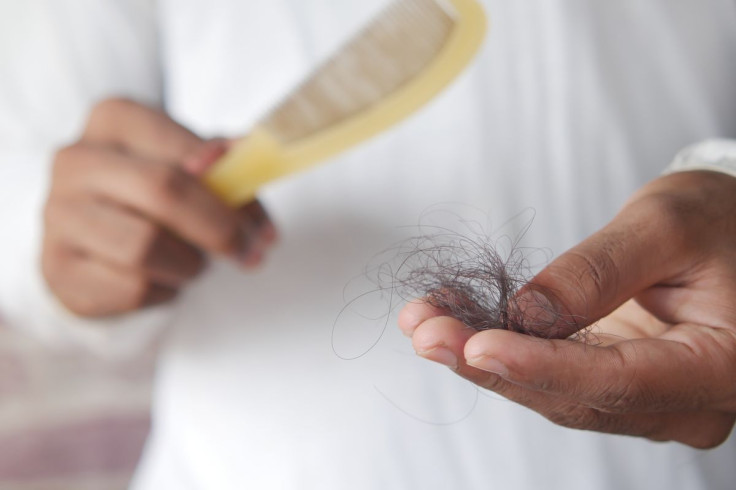
Russell Brand is having a bad hair day in prison, quite literally. The 51 year old comedian, actor, and convicted sexual offender, whose previous outings showed him rocking lengthy locks, is now in danger of going bald as he has lost access to his prescribed hair loss medications.
Metro UK reported that Brand's Alpecin caffeine shampoo, marketed as a hair-loss product, and his prescription Propecia tablets were reportedly confiscated when he was admitted to HMP Wandsworth, a Victorian-era facility that is 170 years old. Sources say the conditions behind the walls are "squalid."
What Prison Life Could Mean for Brand's Shoulder-Length Locks
Reports said that Brand was "kicking off" as he was worried about losing his hair. Prison officials confiscated his hair loss treatments because they were "considered cosmetic" and non-essentials. The prisoner intake process involves having NHS professionals screen the inmates and reviewing their prescribed medication. Finasteride is not available on the NHS for male pattern baldness, although it can be prescribed through the NHS for an enlarged prostate. Hair-loss treatment generally requires a private prescription.
Brand was sentenced to 10 years and six months in prison after being found guilty of raping one woman and sexually assaulting three others. He is serving his sentence at HMP Littlehey, having been transferred from HMP Wandsworth on November 13, while police continue to investigate further allegations from other women. Prosecutors are assessing whether the additional claims could lead to further charges.
Without access to hair loss treatments, Brand may experience a drastic change in the volume of his locks just weeks into his imprisonment. Yahoo! News reported that Finasteride functions by reducing levels of dihydrotestosterone (DHT), a hormone associated with male pattern hair loss.
Hair transplant surgeon Dr Aziz Elgindi said hair shedding could resume as early as three to four weeks after stopping Propecia, although it typically begins again after three to six months.
Why Men Start Losing Their Hair as They Get Older
Brand is in his early 50s, a stage in which hair loss is common. More than half of white men have visible signs of male pattern hair loss by the age of 50. Male pattern baldness is often inherited from either parent or is a result of the dihydrotestosterone (DHT) sensitivity. DHT is a byproduct of testosterone that causes follicles to shrink, thereby causing the scalp to produce shorter and thinner hairs. Cellular aging and stress also play a role in male pattern baldness.
But how does one combat this seemingly inevitable occurrence? Common treatments include 5% minoxidil liquid or foam, which is available over the counter, and finasteride tablets, which require a prescription. But beyond drug-related care, male pattern baldness can be alleviated by careful maintenance. Hair loss specialist Dr. Raghu Reddy of The Private Clinic in Harley Street recommends using lukewarm instead of hot water when washing one's hair.
Following a shower, do not rub the hair and instead simply dab it dry. Maintaining good quality sleep for at least seven hours is also highly recommended, Men's Health reported. While male pattern baldness can't be avoided in most men, its symptoms can be managed with proper care.