Feeling Stressed? Here's How It Could Affect Your Blood Pressure
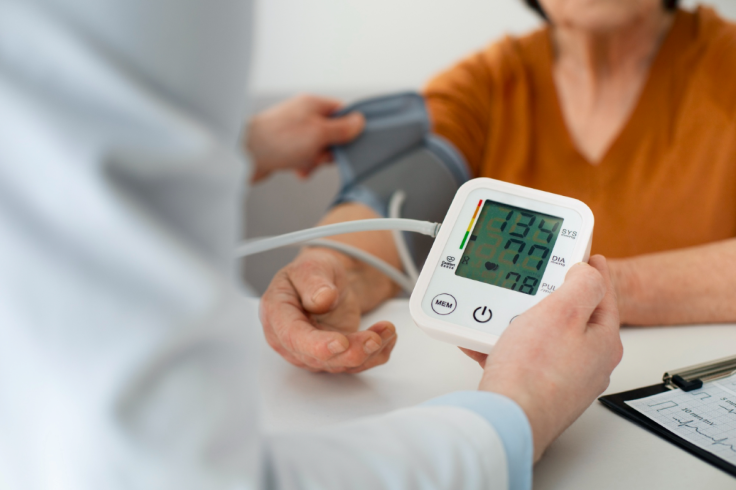
Stress is a normal part of life, whether caused by work pressures, financial worries, relationship challenges, illness, or major life events. But when stress becomes frequent or prolonged, many people wonder whether it can affect their blood pressure.
The short answer is yes: stress can cause temporary increases in blood pressure. However, experiencing a stressful moment is not the same as having chronic high blood pressure, also known as hypertension.
Understanding the difference is important because hypertension often develops silently and can increase the risk of serious health problems if left untreated.
How Does Stress Affect Blood Pressure?
When the body experiences stress, it activates the 'fight or flight' response. This triggers the release of stress hormones, including adrenaline and cortisol.
These hormones prepare the body to respond to a perceived threat by:
- Increasing heart rate
- Narrowing blood vessels
- Raising blood pressure temporarily
Dr Alexander Acosta, a Medical Consultant at SonderCare, explains that stress can cause a noticeable but temporary rise in blood pressure.
'When you're stressed, cortisol and adrenaline surge through your system, constricting blood vessels practically immediately,' he says.
For example, Dr Acosta describes seeing patients whose blood pressure increased significantly during stressful situations but returned closer to normal once the stress passed.
'One patient's reading was 150 over 95 before a scheduled procedure, dropping to 118 over 76 in the hour after the procedure when the anxiousness subsided,' he explains.
These short-term spikes are a normal response to stress. The concern arises when the stress response becomes frequent or continues for months or years.
Can Chronic Stress Lead to Hypertension?
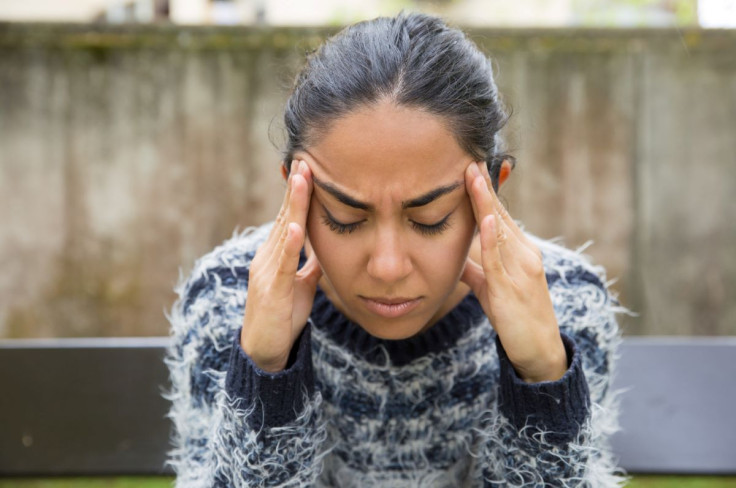
A single stressful event is unlikely to cause long-term hypertension by itself. However, ongoing stress may contribute to high blood pressure through several pathways.
Long-term stress can affect blood pressure by:
- Keeping stress hormones elevated
- Increasing inflammation in the body
- Disrupting sleep quality
- Encouraging unhealthy coping behaviours
- Making it harder to maintain healthy habits
People experiencing chronic stress may be more likely to smoke, drink excessive alcohol, eat high-salt foods, or become less physically active, all of which can influence cardiovascular health.
Dr Acosta explains that the bigger issue is when the body does not return to a relaxed state.
'The real issue is when the stress response continues for months or years, the blood pressure no longer resets and remains elevated,' he says.
Why Is High Blood Pressure Called a 'Silent' Condition?
One of the biggest challenges with hypertension is that many people do not know they have it.
High blood pressure is often called a 'silent' condition because it can develop without obvious symptoms. A person may feel completely well while high blood pressure is gradually damaging blood vessels and organs.
Dr Acosta says he has treated patients who had dangerously high readings without feeling unwell.
'A patient came in just to get his work permit signed, and his reading was 190 over 110, and he didn't complain one bit,' he says.
This is why blood pressure should be measured regularly rather than judged by how someone feels.
Untreated hypertension can increase the risk of:
- Heart disease
- Stroke
- Kidney disease
- Heart failure
- Vision problems
How Do You Know if Stress Is Affecting Your Blood Pressure?
Because stress-related symptoms can overlap with other conditions, the only way to know your blood pressure is by checking it.
Possible signs that your body is under prolonged stress may include:
- Poor sleep
- Feeling constantly tense or overwhelmed
- Irritability
- Difficulty concentrating
- Headaches
- Increased heart rate
- Fatigue
However, these symptoms do not confirm high blood pressure. Many people with hypertension experience no warning signs at all.
Regular blood pressure checks are particularly important if you have risk factors such as:
- Being overweight
- Smoking
- A family history of hypertension
- High salt intake
- Diabetes
- Older age
- Low physical activity levels
Can Reducing Stress Lower Blood Pressure?
Managing stress can support healthier blood pressure levels, particularly when combined with other lifestyle changes.
Simple strategies that may help include:
Practise deep breathing
Slow, controlled breathing can help activate the body's relaxation response.
Dr Acosta says diaphragmatic breathing can help reduce stress-related increases in blood pressure.
'Taking a few minutes to take deep breaths through the diaphragm will bring down cortisol and blood pressure,' he says.
However, relaxation techniques should not replace prescribed treatment for hypertension.
'The strongest habit remains the one that involves taking medication, so I never let my patients skip medication to follow a breathing routine,' Dr Acosta adds.
Prioritise quality sleep
Poor sleep can increase stress levels and make blood pressure harder to control.
Aim for consistent sleep routines and address ongoing sleep problems with a healthcare professional.
Reduce sodium intake
A diet high in salt can contribute to increased blood pressure in some people.
Reducing processed foods and choosing fresh ingredients where possible can support heart health.
Stay physically active
Regular movement can help reduce stress, improve cardiovascular fitness, and support healthy blood pressure.
Build sustainable habits
Small, consistent changes are often easier to maintain than major lifestyle overhauls.
'Focus on one habit and allow your body to adapt,' Dr Acosta advises.
When Should You Speak to a Doctor?

You should arrange a medical appointment if you are concerned about your blood pressure or have consistently high readings.
Seek urgent medical help if you have extremely high blood pressure accompanied by symptoms such as:
- Chest pain
- Severe headache
- Shortness of breath
- Confusion
- Weakness or numbness
- Vision changes
People who already take blood pressure medication should continue taking it as prescribed and speak with their doctor before making any changes.
In Sum
Stress can temporarily raise blood pressure, but it is different from chronic hypertension. Occasional spikes during stressful moments are a normal response, while prolonged stress may contribute to ongoing blood pressure problems through hormonal changes and lifestyle effects.
Because high blood pressure often has no noticeable symptoms, regular checks remain essential. Managing stress, improving sleep, staying active, reducing salt intake, and following medical advice can all play an important role in protecting long-term heart health.