Your Favourite Foods Could Reveal Your Risk of Early Death, Study Suggests
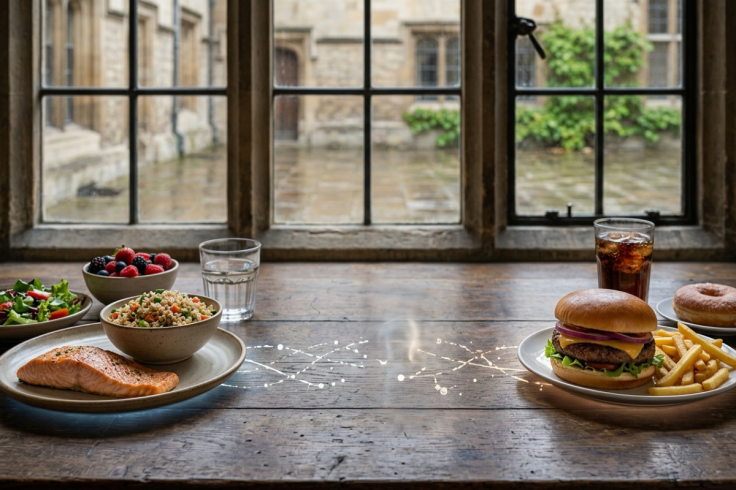
Your favourite foods and drinks could offer clues about your risk of dying earlier, according to one of the largest studies of its kind. More than 177,000 people across the UK were asked about their favourite foods, rather than what they had eaten recently.
Researchers tracked participants for more than three years to see who died. Six favourite foods were associated with a lower risk of death, while five were linked to a higher risk. However, the findings do not prove cause and effect.
Deaths were recorded from all causes, and only around 3,300 of the 177,000 participants died during the study period. Researchers noted several other limitations when interpreting the findings.
Why Food Preferences Matter
Researchers focused on food preferences because what people eat can change with cost and availability. Recent diet surveys may therefore offer only a snapshot of someone's eating habits. Taste, smell and texture also shape food choices.
If someone dislikes a food, they are less likely to eat it regularly, regardless of its nutritional value. Stated preferences may stay steadier over time than actual diets, offering a useful clue to the foods people choose.
Foods Linked to Higher Risk
Soda showed the strongest association with higher mortality, linked to a 38% higher risk of death. Diet soda followed closely, with a 23% higher risk recorded among those who named it as a favourite drink.
Sweetened tea was associated with a 22% higher risk, while whole milk was linked to an 18% increase. Corn flakes were associated with a 20% higher risk of death during the study's follow-up period.
Researchers noted that some of these foods and drinks may simply reflect higher overall calorie intake, depending on how much of each is actually consumed. Beer, wine and spirits, notably, showed no such association with higher mortality risk.
The findings echo separate research from the Harvard T.H. Chan School of Public Health, published in The BMJ. It followed more than 114,000 American adults for over three decades through the Nurses' Health Study and Health Professionals Follow-Up Study.
People eating the most ultra-processed food had a 4% higher risk of death from any cause than those eating the least. Processed meat, sugary breakfast foods and sweetened drinks had the strongest associations there.
Foods Linked to Lower Risk
Extra virgin olive oil showed the strongest association with lower mortality, linked to a 33% lower risk of death. Black pepper was separately associated with a 28% lower risk of death.
Asparagus and broccoli were each linked to a 31% lower risk, while butternut squash showed a 25% lower risk. Aubergine was associated with a 21% reduction, and wholemeal bread showed a reduction similar to olive oil.
Spinach, salad, onions, mushrooms, lentils, beans and peppers were also among the foods linked to longer survival. Researchers stressed, however, that this was not an exhaustive list of protective favourites.
What the Findings Mean
Together, the results suggest that preferences for less processed, plant-based foods may be linked to lower mortality. Several processed or sweetened favourites, meanwhile, were associated with a higher risk of death.
The percentages do not show that a particular food directly causes someone to die earlier. The same caution applies to foods associated with a lower risk of death. Deaths were recorded from all causes, not diet-related illness alone.
The study therefore offers a potential clue rather than a firm prediction of any individual's lifespan. What people naturally prefer to eat may reveal something about their long-term dietary patterns and, in turn, their overall risk of death.