
Man Loses Penis, Bladder and Prostate After Hospital Admits Cancer Misdiagnosis
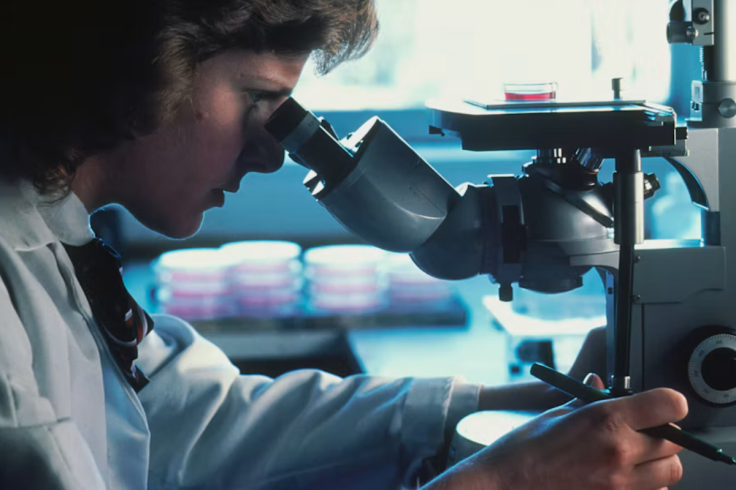
A man in Sweden underwent surgery to remove his penis, bladder and prostate after tissue samples were initially interpreted as showing prostate cancer, but later reviews identified a different type of cancer, according to reports.
The case involved Skaraborg Hospital in Skövde, where doctors took tissue samples in early 2023. The samples were analysed by Unilabs' pathology laboratory and reported as showing prostate cancer. The diagnosis was later questioned after additional testing, with the patient's actual cancer reportedly going untreated for around seven months.
The case was recently disclosed after Unilabs classified it as a serious patient injury resulting in permanent harm and filed a patient-safety report with Swedish authorities.
A Different Cancer Was Identified
When doctors later collected samples from the urethra to investigate whether the suspected prostate cancer had spread, the results showed signs of squamous cell carcinoma.
A second Unilabs pathologist reviewed the original and later samples and concluded that the cancer most likely originated in the urethra or penis. Pathologists at Skåne University Hospital reportedly agreed with the cancer classification after reviewing the material.
Squamous cell carcinoma develops from squamous cells, which line parts of the body, including some surfaces of the urinary tract. The initial tissue interpretation therefore meant the patient's cancer type and likely origin had been incorrectly identified.
Extensive Surgery and Permanent Harm
The patient eventually underwent surgery to remove his penis, bladder and prostate. He also required a urostomy and colostomy, procedures that divert urine and faeces through openings created in the abdomen.
Unilabs said the incorrect diagnosis delayed treatment and recorded the consequences as permanent harm. The report did not establish what treatment would have been appropriate if the cancer had been correctly identified sooner.
The patient reportedly described the experience as regrettable during a phone conversation with the laboratory and stressed the importance of preventing similar errors. He also questioned whether additional sampling during his first appointment could have affected the diagnosis or treatment.
Laboratory Identifies Training as a Factor
Unilabs identified training and expertise as contributing factors in the diagnostic error. The incident was reportedly identified in early 2026, about three years after the initial test results, and was reported under Sweden's Lex Maria patient-safety system to the Health and Social Care Inspectorate, known as IVO.
The pathologist involved has reviewed the case, and the laboratory said an anonymised account would be shared with pathologists who perform similar diagnostic work.
Questions Remain About Preventability
The case raises concerns about the role of accurate pathology interpretation in cancer diagnosis and treatment planning. Tissue analysis can help clinicians determine a tumour's type and origin, information that can shape decisions about further testing and treatment.
However, Unilabs said it remains unclear what treatment would have been appropriate if the diagnosis had been made earlier. Reports also said it was not known whether the patient would receive compensation or whether disciplinary action had been taken.
The case highlights the consequences of diagnostic errors and the importance of reviewing unexpected findings, seeking additional expertise when needed and strengthening training to help prevent similar incidents.