
Trump's $90 Medicare Rebate Sounds Like Relief, but Millions of Older Americans Are Left Out
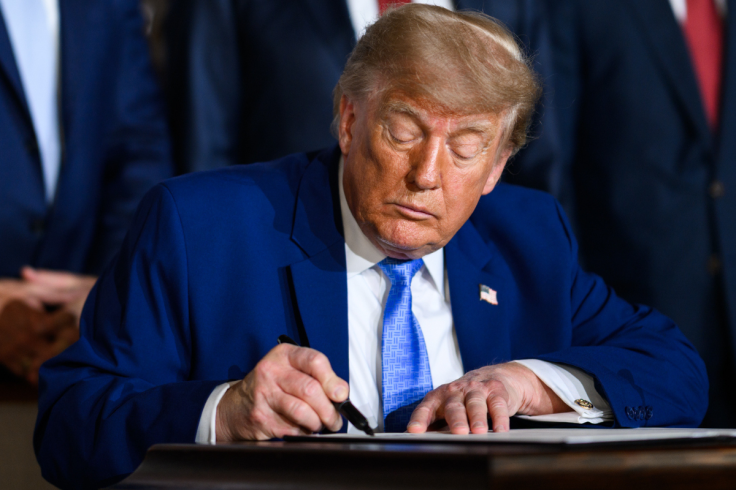
More than 40 million Medicare beneficiaries will not qualify for President Donald Trump's $90 (£68) rebate, according to KFF, a healthcare research non-profit. Fewer than one-third of all recipients qualify for the one-time payment, due to arrive automatically.
The money is meant to ease Part B premiums, the coverage that pays for doctor's visits, ambulance services and lab tests. With healthcare costs among the top issues for voters before the 3 November midterms, the $2 billion (£1.5 billion) scheme is under fire.
Who Gets the Medicare Payment
The rebate goes to 20.8million people in original Medicare Part B who live in the United States. They must not receive premium assistance from Medicaid or pay an income-related monthly adjusted amount.
Medicare Advantage enrolees, numbering roughly 35 million, will not receive a payment.
An estimated 12 million low-income older adults and people with disabilities who receive premium assistance are also ineligible. Enrolees who pay the income-related adjustment do not receive the rebate either.
What the Money Can Cover
Total monthly Part B costs generally start at about $200 (£151) and vary with income. The $90 rebate is less than half of that starting figure, so it eases the bill rather than clearing it.
According to the Centers for Medicare & Medicaid Services website, eligible beneficiaries will receive one $90 (£68) rebate in October. Most will get a direct deposit, while others will get a paper cheque from the Treasury Department later in October.
Juliette Cubanski, director of KFF's program on Medicare policy, said the payment will be automatic. 'As far as a benefit goes, people don't have to call or sign up, it's just money they receive directly, but not everybody on Medicare will receive this money.'
A White House fact sheet says people can call 1-800-MEDICARE (1-800-633-4227) to check on their eligibility. To check on payment status, they should call the Social Security Administration at 1-800-772-1213.
Where the Money Comes From
Payments will come out of the Medicare Improvement Fund, which Congress created in 2008. The Congressional Budget Office says its purpose is to improve original Medicare, the programme covering hospital and medical insurance.
The fund has been used before. Democratic President Barack Obama's administration, along with Congress, redirected $20billion (£15billion) to expand healthcare coverage through the Affordable Care Act.
Under Trump, it is the first time the fund has been used to pay recipients directly. The rebate is designed to help enrolees pay their Part B premiums.
Critics Question Lasting Relief
Cubanski said the rebate is arriving as Americans feel the bite of higher food, energy and gas prices. Surging healthcare costs are only compounding those pressures, she said.
Cubanski was measured about what the payment means for enrolees facing those rising costs. 'This might be helpful for people but it might not go very far.'
Critics call the $90 (£68) payments a pre-election stunt rather than a fix for structural problems in healthcare costs and administration. Oregon Senator Ron Wyden is among them.
The top Democrat on the Senate Finance Committee did not hold back in his criticism. In a statement, he said 'this is another desperate attempt by a failed president to escape Americans' revulsion with his failed agenda, amounting to one tank of Trump-inflated gas.'
The White House defends the rebate. Spokeswoman Allison Schuster said in a statement that the administration 'is enabling Americans to take control of their health by putting money directly back in the hands of Medicare patients.'
Trump has also promised $500 (£378) rebate cheques to an estimated 1million Obamacare enrolees across 30 states. The White House alleged they were overcharged by the Biden administration for some fees.